

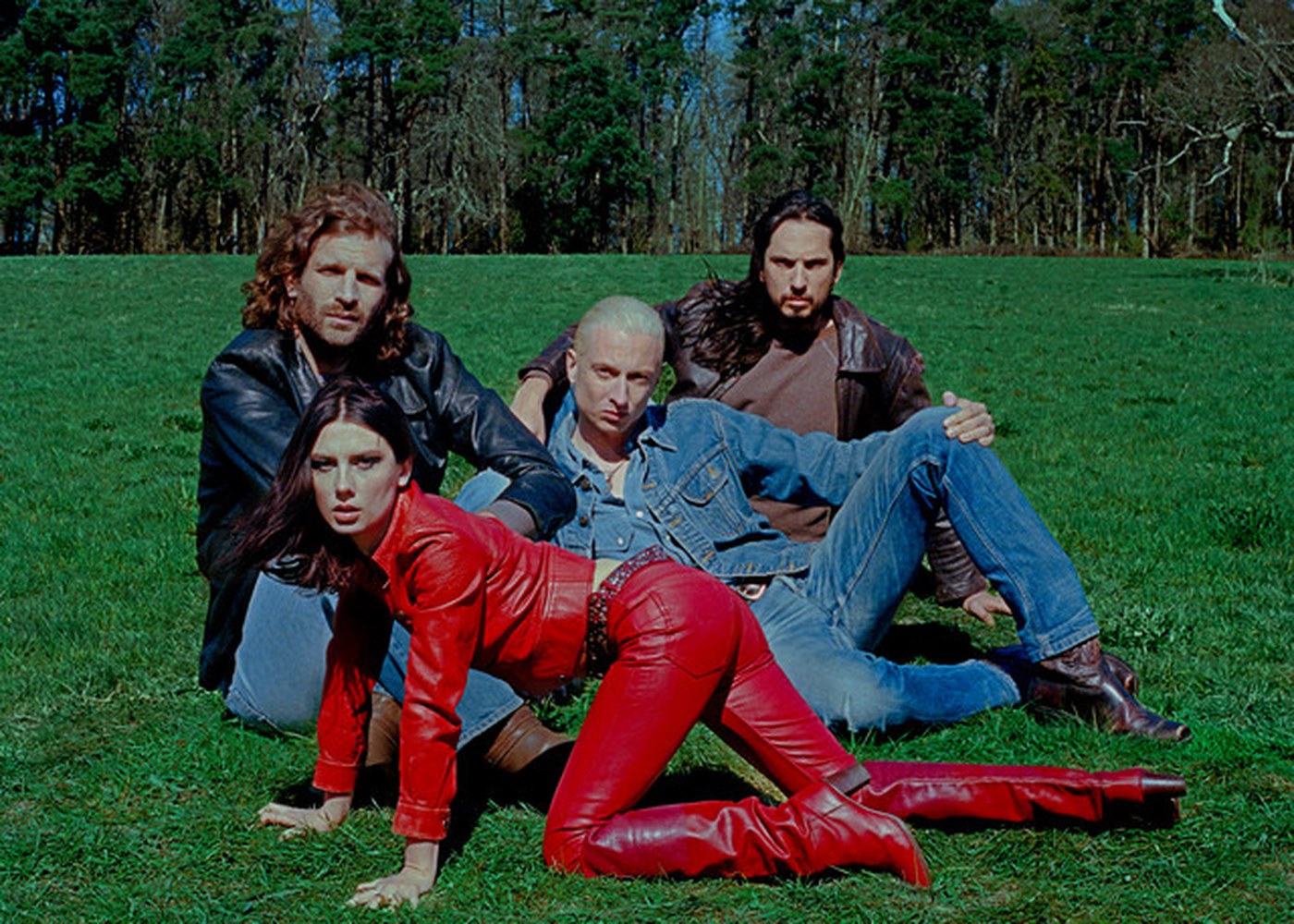
Off-white trainers. A nylon guitar. Two pieces of detail so specific they could only belong to one person, and they arrive before any grand statement does. "Hit The Sky" opens its chorus mid-portrait, like someone sketching a friend from across the room before they notice you looking.
The song's central claim is this: real encouragement doesn't erase fear, it holds it. What makes "Hit The Sky" work is that it never pretends the vulnerability goes away. It just insists the person carrying it is capable of more than they know.
Learning to Fly
The first verse sets up a quietly specific dynamic. "Let them get to know you / how they'll love you" is addressed outward, coaching someone through the risk of being seen. The repeated image of wild horses running is vivid but grounded, and then the pivot: "but I see you fly." Running is impressive. Flying is something else.
The verb choice matters without being showy about it. Running is effort and escape, something horses do naturally. Flying is exceptional, and the speaker isn't suggesting it as potential. They're stating it as observation. They already see it happening. The person being addressed is still in the "let them learn your language" stage, cautious, maybe braced. The narrator is already past that doubt.
The Chorus and Its Lemon Trick
Then comes the image that gives the song its personality.
"If the world serves you lemons / you just twist them in the martini glass"
It's the lemon-into-lemonade cliche cracked open and poured into something with a bit more sophistication. Not optimism as denial, but as reflex, as style. The off-white trainers and nylon guitar aren't just detail for detail's sake; they build a picture of someone who already has their own aesthetic, their own way of being. The lemon line is consistent with that. Whatever the world throws, you'll metabolize it into something that's yours.
But the chorus doesn't stop there, and that's where it gets more honest.
"You just hope that no one rips your heart from your chest / but I'm telling you now you're the best of the best"
The fear isn't dismissed. It's named, plainly, and then held alongside the affirmation. That's the structure of actual reassurance rather than the performed kind. The speaker doesn't promise the heart stays safe. They just make clear they believe in the person anyway.
Verse 2: Famous and Nervous
The second verse is weirder, and sharper for it. Elvis. Madonna. The narrator drops two icons into the conversation not to invoke greatness but to humanize it.
"Bet they got nervous and look at them"
Six words that do a lot of reframing without trying to sound clever. The logic is simple: the people who ended up legendary were probably terrified too. Nerves don't disqualify you. They might even be evidence you care enough.
Then comes a line about memory and pain that I keep returning to: "What else are memories / not half as painful bled from the pen." It's the song's most concentrated thought. The stories that hurt you are also the material you work with. The bleeding becomes the writing. That's not a comfortable idea, but it's delivered with enough confidence that it lands as something you'd want to believe rather than something imposed on you.
One reading a reasonable person might hold: the song's warmth is so certain, so generous, that it skips over whether the person being addressed has the structural access to actually "hit the sky." Encouragement can sometimes be its own kind of pressure. The song doesn't reckon with that, and it probably isn't trying to.
The Outro as Commitment
The outro loops back to the first verse's language, almost verbatim, and it would feel like a simple callback if the arc hadn't shifted so much in between. Arriving at "I see you fly" the second time, after the chorus's fear, the verse's reframing, the named icons and the painful pen, it carries weight it didn't have before.
It's also worth noting the outro swaps "you" for "ya" in the repetitions. Small shift, slightly warmer register, less formal. The song is getting closer as it ends.
"Hit The Sky" lands as a love letter to someone on the edge of something. Not a romantic one, though nothing rules that out. The affection feels closer to the kind between people who've watched each other for long enough to see what the other person can't yet see in themselves. The fear gets named, the icons get humanized, the detail of the two piece and the nylon guitar gets held carefully. And then the wild horses run and someone flies anyway.
Lyric analysis powered by Scalpel.


Comments
Loading comments…