

Why Tyler, The Creator’s Chromakopia Still Resonates: An In-Depth Analysis
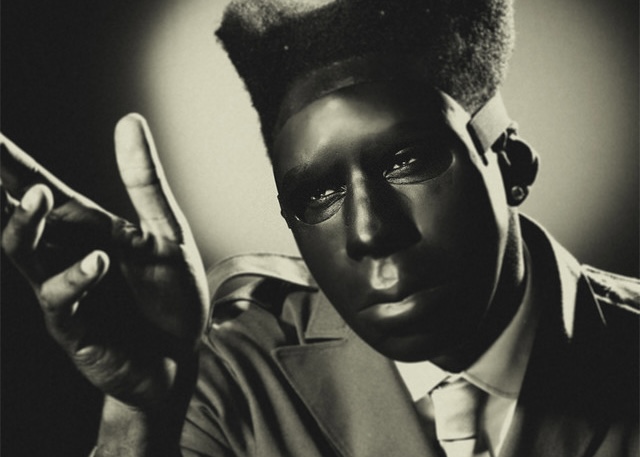
It’s been two months since Tyler, The Creator unleashed Chromakopia, and in internet years, that can feel like a lifetime. Albums come and go, hype cycles spin, and the conversation evaporates almost as quickly as it starts. But here’s the thing: I keep circling back to Chromakopia. There’s a magnetic pull—maybe it’s the dusty, sepia-toned visuals or that subtle green glimmer of renewal woven through every track. Even now, I’m still fascinated by what Tyler conjured with this record.
The Allure of Chromakopia
When Chromakopia first landed, the buzz centered on Tyler’s existential reflections. He’d just turned 33 and was rumored to be navigating a pregnancy scare, sparking questions about fatherhood and life’s ticking clock. Predictably, think pieces popped up everywhere, memes flooded social feeds, and the initial frenzy was intense. Yet two months later, while the chatter has cooled, Chromakopia still feels like a cinematic experience that grows richer with every listen.
Rather than burn bright and fade away, this album has matured into something more immersive. You notice new details—little production choices, lyrical hints, or visual cues—each time you revisit it. It’s like rewatching a favorite movie: you start seeing the subtleties that make it truly compelling.
The Cinematic Approach
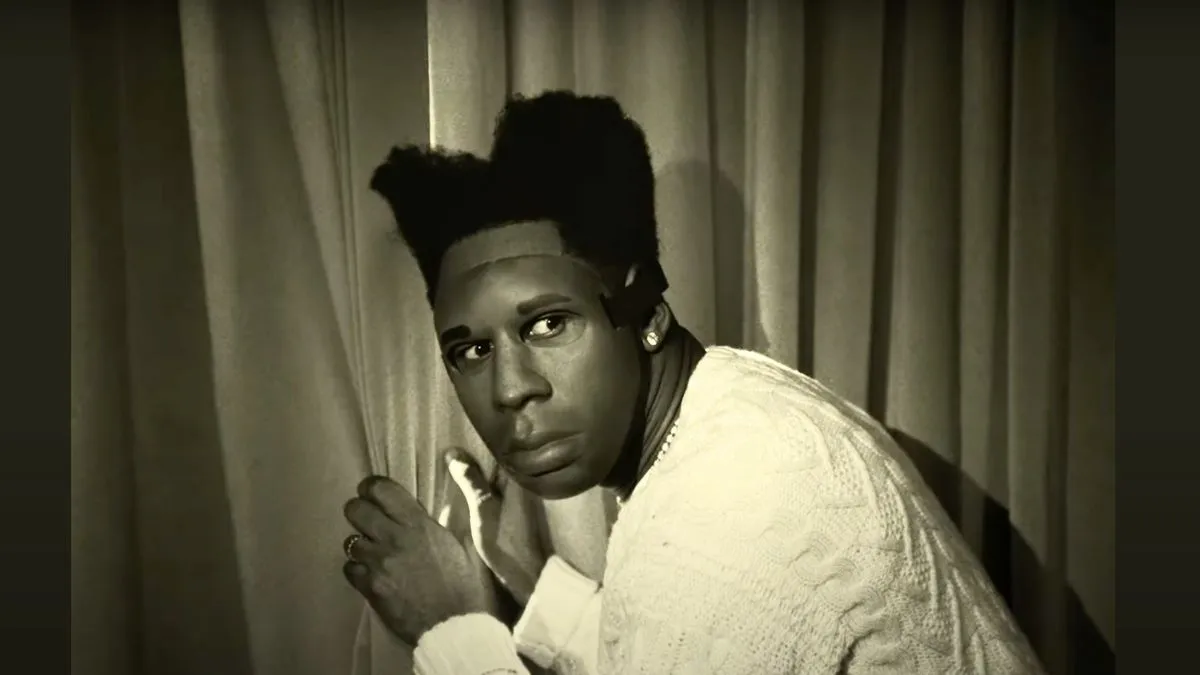
Tyler, The Creator has always flirted with drama—he’s a visual thinker who designs elaborate stage sets, creates alter egos, and crafts fully fleshed-out musical universes. With Chromakopia, that flair becomes even more surreal. Grainy, old-Hollywood filters clash with bursts of vivid color, creating a palette that’s both nostalgic and fantastical.
- Sepia Hue: Symbolizes the aging process Tyler contemplates throughout the album.
- Green Flare: Represents rebirth, rejuvenation, and the potential for change.
Visually and sonically, he’s shaping his own dreamscape. Even when the lyrics feel confessional and tinged with fear, there’s always that glow of possibility—like the sun coming up after a restless night.

A Lynchian Parallel
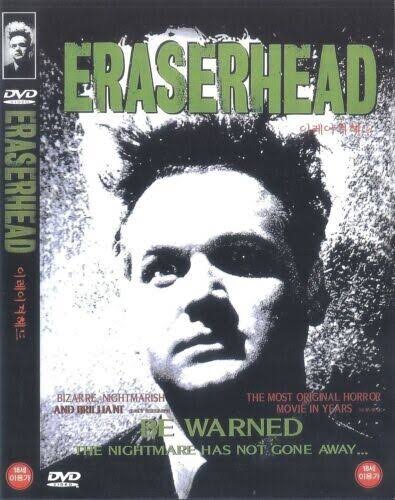
It’s almost impossible to discuss Chromakopia without mentioning the comparisons to David Lynch’s Eraserhead. Where Lynch used black-and-white surrealism to explore fatherhood anxiety and alienation, Tyler uses a neon-washed world to grapple with similar fears about growing older and taking on adult responsibilities.
- Eraserhead’s Henry: Trapped in a claustrophobic world, overwhelmed by fatherhood and uncertainty.
- Tyler’s Reality: More playful and colorful, but still shot through with the dread of unforeseen complications—be it parenthood or simply the weight of time sneaking up.
Despite the stylistic differences, both works tap into the same raw nerve: the realization that life can change faster than we can handle. Tyler packages his jitters in hooky choruses and bright visuals, but the core tension is there, pulsing through every track.
Hope Beneath the Dust
The title Chromakopia itself hints at an abundance of color (“Chroma”) and possibility (“copia”). Yet, the album presents a mostly drained, sepia-tinted reality interrupted by that single pulse of green. It’s a striking image that captures the duality of adulthood: a grayscale grind overshadowed by deadlines and regrets, but still alive with a spark of promise if you look closer.
Throughout the music videos and album teasers, cryptic containers labeled “Chromakopia” appear, as does a masked Tyler drifting through empty spaces, punctuated by literal blasts of green. This tension between drab daily life and bursts of hope feels like the heartbeat of the entire project. It’s a reminder that there’s always a chance for transformation, even when stepping into roles you never imagined could be yours.

Final Thoughts: Chromakopia’s Lasting Impact
In a fast-moving digital landscape, two months can seem like forever. Yet Chromakopia endures, hinting that Tyler, The Creator has tapped into something deeper than a fleeting cultural moment. The album serves as an off-kilter meditation on fatherhood fears, aging, and the possibility of reinvention—all wrapped up in a cinematic style that’s equal parts whimsical and unsettling.
If you’ve let Chromakopia slip off your radar, consider giving it another spin. You might just find that beneath the dust and sepia tones, there’s a fresh layer of meaning—one that resonates even more with each passing day, reminding us that change, no matter how ominous it feels, can also be the gateway to something new and alive.


Comments
Loading comments…