

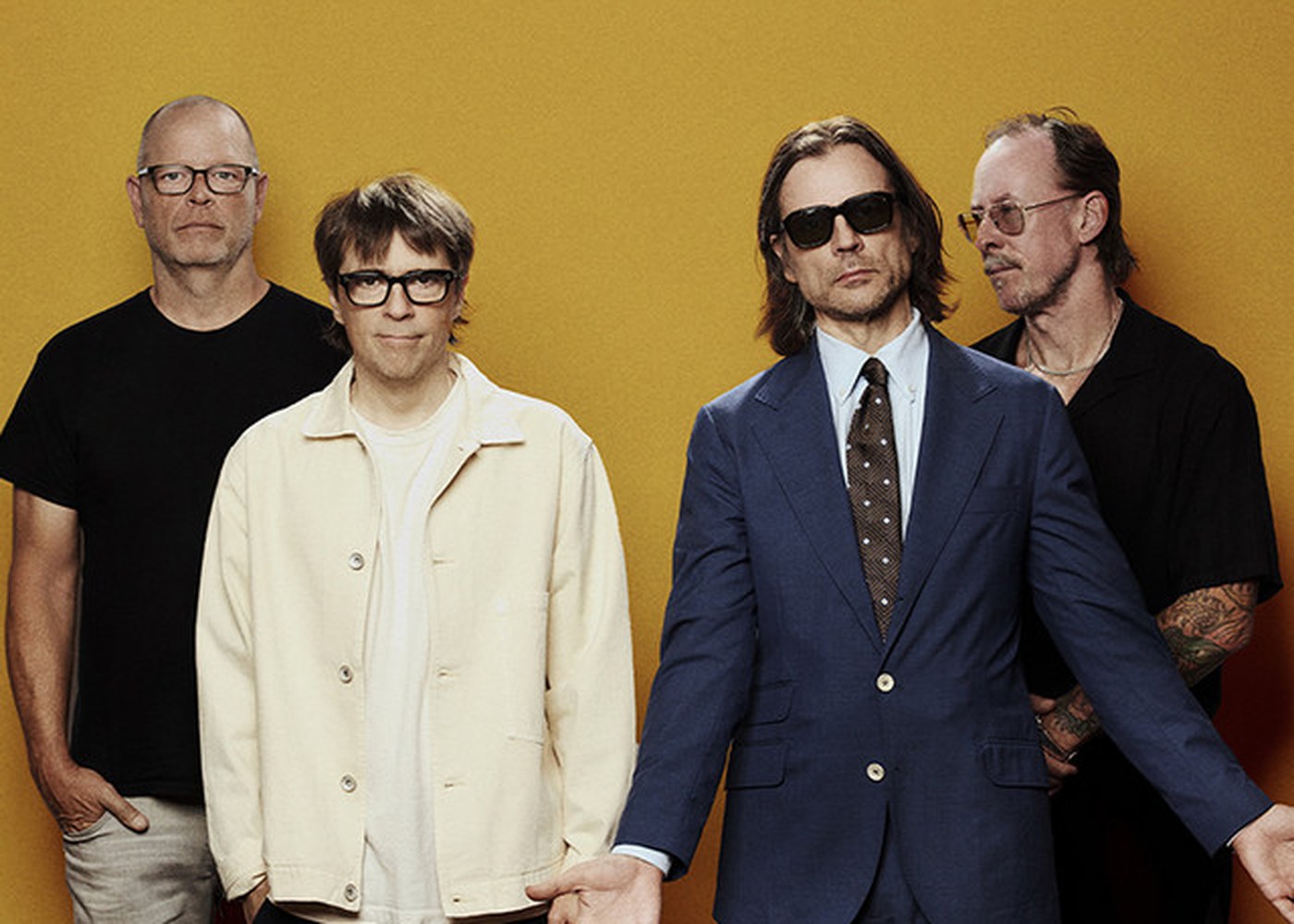
Most songs about disconnection want you to feel the ache of it. "Don't Make It Weird" does something stranger: it convinces you the narrator has already stopped feeling it. That move is harder to pull off than it sounds, and it's what separates this track from a thousand other songs about not fitting in.
The Bump on Montana
The song opens on one of the most recognizable social disasters known to humankind: the accidental run-in. You're walking, you're minding your business, and then suddenly someone you know is right there and you have to perform normalcy in real time. The narrator tries small talk. It goes weird. That's the whole setup, and it barely takes eight lines.
What's interesting is how fast the narrator escalates internally while keeping the surface flat. The chorus arrives almost immediately, and it's not a cry for help. It's a negotiation: "Don't make it weird, it don't gotta be / Everything's cool if you'd let it be." That conditional is doing real work. The coolness is contingent, dependent on the other person not pushing on it. The narrator isn't serene. They're managing.
"River" Without Flow: Verse 2 Gets Personal
The second verse is weirder. Someone calls the narrator "River" and then tells them they have no flow. It's a pun that works as a dismissal: you're named for something you can't do. And the narrator's response isn't anger, it's bewilderment.
"It's like they can't see me / I'm standing right here though"
That's the line I keep coming back to, because it reframes everything before it. The awkward run-in on Montana, the failed small talk, the chorus insisting everything is fine: none of it is about shyness or social anxiety in the usual sense. The narrator feels invisible to people who are looking directly at them. That's a different problem. You can coach yourself out of shyness. You can't coach yourself out of being unseen.
The Pre-Chorus Is Where the Mask Slips
The pre-choruses are living in a completely different emotional register than the rest of the song. "Blinded by darkness / I was starving as I picked at the carcass" lands next to the breezy chorus like a fever dream dropped into a sitcom. The narrator is describing genuine desolation, not just awkwardness at a street corner.
And then: "When they try to reach me / I'm already gone." Past tense. Not "I can't be reached," but "I was already gone before you even tried." The withdrawal happened first. The isolation isn't a response to the bad interactions. The bad interactions are symptoms of an isolation that precedes them.
That's the actual argument of the song. The chorus says "don't make it weird," but the pre-chorus admits the weirdness is load-bearing. The narrator needs the social surface to stay frictionless because any real attempt at connection finds nobody home.
"Nobody Cares" as the Real Punchline
If you're on a late commute with headphones in, this is the line that probably hits you: "Nobody cares, but that's quite alright with me."
It's delivered with a shrug, and on first listen it reads as self-deprecating humor, the classic Weezer move of owning the L before anyone else can assign it. But sit with it for a second. "Nobody cares" and "that's alright" placed side by side means the narrator has genuinely stopped wanting to be cared about. That's past resignation. That's a kind of peace that took real suffering to reach.
A reasonable reading here is that the whole song is actually a success story: someone who found equanimity in invisibility and means it sincerely. I don't fully buy that read, because the carcass imagery and the "already gone" repetition are too raw to be the language of someone who has actually made their peace. But the song leaves the door open, which is smart.
"Don't Make It Weird" ends exactly where it starts: on the surface, asking for calm. The pre-chorus keeps insisting on the void underneath. Neither one wins. The narrator holds both simultaneously, and that's the uncomfortable truth the song refuses to resolve. Being unreachable isn't dramatic. Sometimes it just looks like a perfectly normal walk down Montana.
Lyric analysis powered by Scalpel.



Comments
Loading comments…