

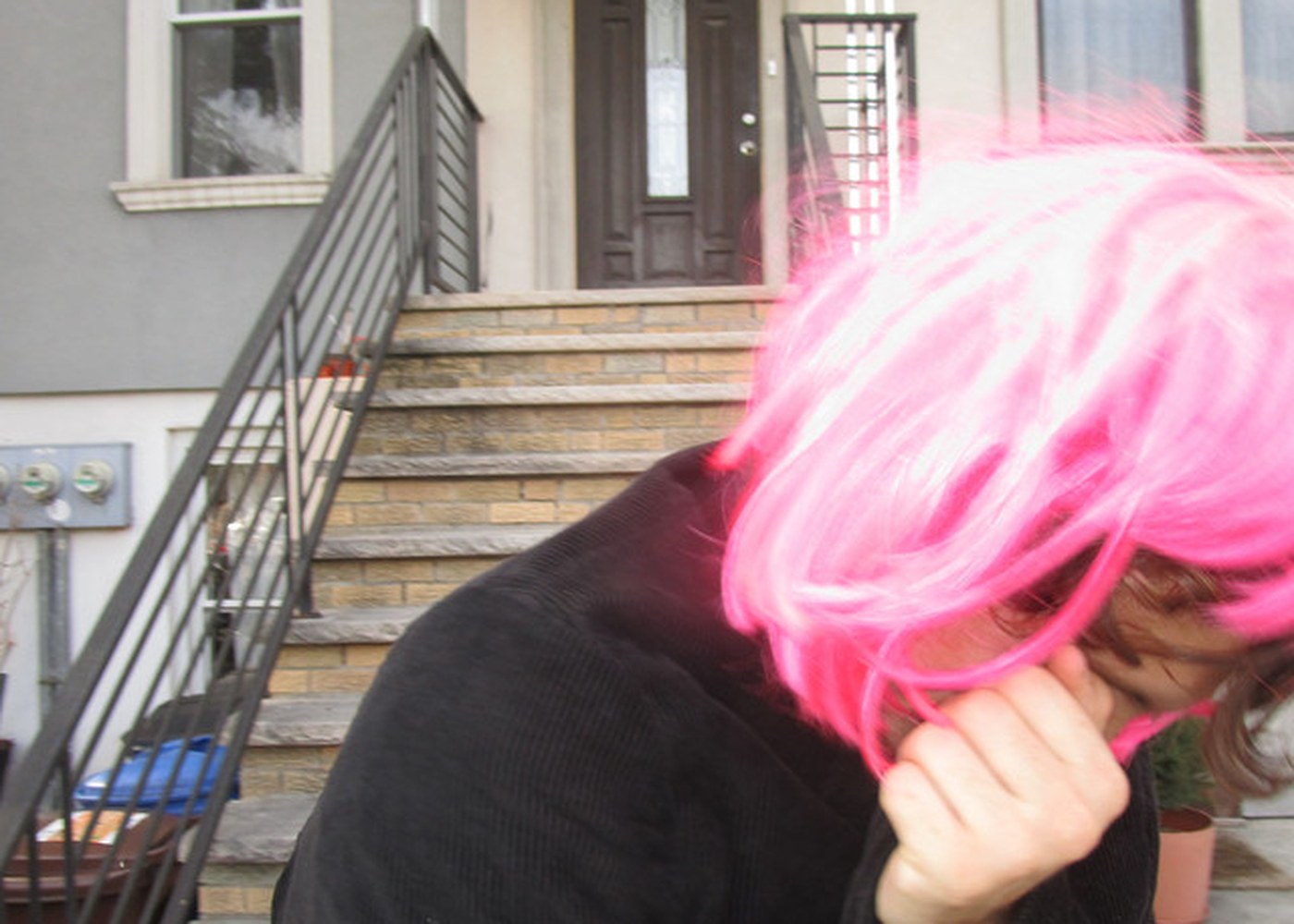
"I'll Show You Mine" takes a childhood dare and turns it into a lopsided love song. The narrator asks to be lied to, pictures two dogs bleeding on concrete, and bargains for touch. By the end the demands fall away. Only the offer remains, sung three times to someone who may not have noticed anything at all.
Introduction
Someone has just said "lie to me" and meant it as a kindness, the way you might ask a friend to tell you the haircut looks fine. The strange part comes next, because the game they propose is the one kids play behind the garage, where the whole point is taking the covering off. So the song asks for a lie and a reveal in the same breath. It follows a person who keeps undressing, emotionally and maybe literally, while the other person gives back less and less, until the bargain collapses and only the giving is left.
Verse 1: lie to me, lie with me
The opening pun is easy to hear and hard to shake. "Lie to me" and "lie with me" sit two lines apart, and the narrator wants both, the comfortable untruth and the body next to them, as if one makes the other possible. "I liked it when you lied before" gives it away: the lying has history here, and it was pleasant.
"Like two dumb dogs just bleeding out on the / Concrete floor"
Then the "something we never tried before" arrives, and the image the narrator picks for it is two animals dying on a hard floor with nothing soft underneath. The dogs are "dumb," which is almost affectionate, the way you call yourself dumb for texting first. And the setting is "a room somewhere," unplaced, the kind of room that exists mostly in the head. The verse ends with the dare itself, "show me yours / I'll show you mine," stated as an even trade.
It will not stay even.
Verse 2: the emptied room and the word everyone knows
Verse two opens with a question that sounds like flirting at a party: "Is it just me or did you notice it too?" Everybody has disappeared from the room. It's just the two of them. That's a familiar feeling, the moment the crowd blurs out and one face stays sharp, but the narrator has to ask whether the other person felt it, which tells you they aren't sure.
"And you eat me like some rare and delicate bird"
The line I keep coming back to is this one, because it holds tenderness and violence in the same grip. A rare, delicate bird is something you'd protect, maybe keep in a glass case. Here it's being eaten, carefully, the way you'd savor a delicacy before it's gone. The narrator is precious to the other person and consumed by them at once, and there's no sign anyone is eating the other person back.
Then the narrator goes looking for a word, as though it were obscure, something on the tip of the tongue. "What's the word / that people say when they are desperate for a touch / like a starved animal." The answer, after all that searching, is "Please." The most ordinary word we have, fished up like a crossword clue. The starved animal picks up where the dogs left off, hunger with no dignity left to protect, and the pause before "please" is the narrator pretending for one more second that they don't already know it.
They know it.
Verse 3: the bargaining loses its footing
The third verse turns the dare into a list, and the list speeds up. Every line starts with "show me," and at first every demand gets matched.
"Show me a watermark / I'll show you a bottom, boy"
A watermark is the line water leaves where it stood, the high point of an old flood, or the faint seal pressed into paper that only shows when you hold it up to light. "Bottom" answers it from below. Read one way, the narrator is saying: show me the highest mark your feelings ever reached, and I'll show you how low I can go. Read another way, it's bodily, a body part or a role in bed, with "boy" tossed in either as the person being addressed or as a plain exclamation. The line works because it won't pick. It lives in the flood line and the bedroom at once.
"Show me a firestarter" gets no answer at all. That's the first crack. The next line, "Show me some, I'll show you more," breaks the trade open for good, because the narrator is no longer offering an equal exchange. They're offering to overpay.
After that, the images get closer to the skin. "Show me an arrow inside" asks the other person to reveal a wound they carry, and the narrator promises "a far-reaching touch" in return, reaching further than they're asked to. Then comes "Show me your ugly body," which is both the rawest request in the song and the last one. The narrator calls the other person's body ugly and wants it anyway, and after that they stop asking for anything.
The demands just stop.
The chorus, stripped
"I'll show you mine" three times, with the "show me yours" half gone. The narrator has dropped the condition and kept only the offer.
What the narrator can't confirm
The outro sits in parentheses, the way you'd mutter something to yourself after the other person has already turned away. "Is it just me or did you notice it too?" comes back twice, and the second time it adds "just," shrinking the narrator a little further. For all the insistence in verse two that "it's just me and you," the song ends unsure the other person saw the room empty at all.
A fair fan could hear all this differently. You could take the vanishing room and the devoured bird as mutual surrender, two people so lost in each other that the ledger stops mattering, and the repeated "I'll show you mine" as joy instead of loss. I think the parentheses argue against that. People who feel matched don't have to ask.
Conclusion
Go back to that first request. The narrator asks to be lied to because the lie is what keeps the game running, the thing that lets them believe the other side of the trade will ever arrive. The song shows what happens when someone keeps paying into a deal that stopped being mutual somewhere around the firestarter: they don't walk out, they just keep offering, louder and plainer, until "please" and "mine" are the only words left. You put this on walking home from someone's apartment, replaying everything you told them, trying to remember one thing they told you back. The room was empty. Maybe it was only ever empty on one side.
Frequently Asked Questions
What is "I’ll Show You Mine" by Victoryland about?
The song uses the childhood dare "show me yours, I'll show you mine" to describe an intimate relationship where one person reveals far more than the other. The narrator asks to be lied to, begs for touch, and escalates a list of trades until they stop asking for anything back. It ends with the narrator offering themselves over and over, unsure the other person even noticed.
What does "show me a watermark, I'll show you a bottom, boy" mean?
A watermark is the line left by high water, or a hidden mark in paper visible only against light, so the narrator is asking for the other person's high point or hidden sign. "Bottom" answers from below, meaning the narrator's lowest point, and it also carries a bodily or sexual meaning. The line holds the emotional and physical readings together without choosing one.
What do the "two dumb dogs just bleeding out on the concrete floor" represent?
The dogs are the narrator's picture of the "something new" they want to try with the other person: two wounded animals lying together on a cold, hard surface. Calling them "dumb" makes it almost affectionate, while the blood and concrete make the closeness sound painful and unprotected. The image sets up the song's later hunger for touch, like the "starved animal" who can only say "please."
Lyric analysis powered by Scalpel.

Comments
Loading comments…