

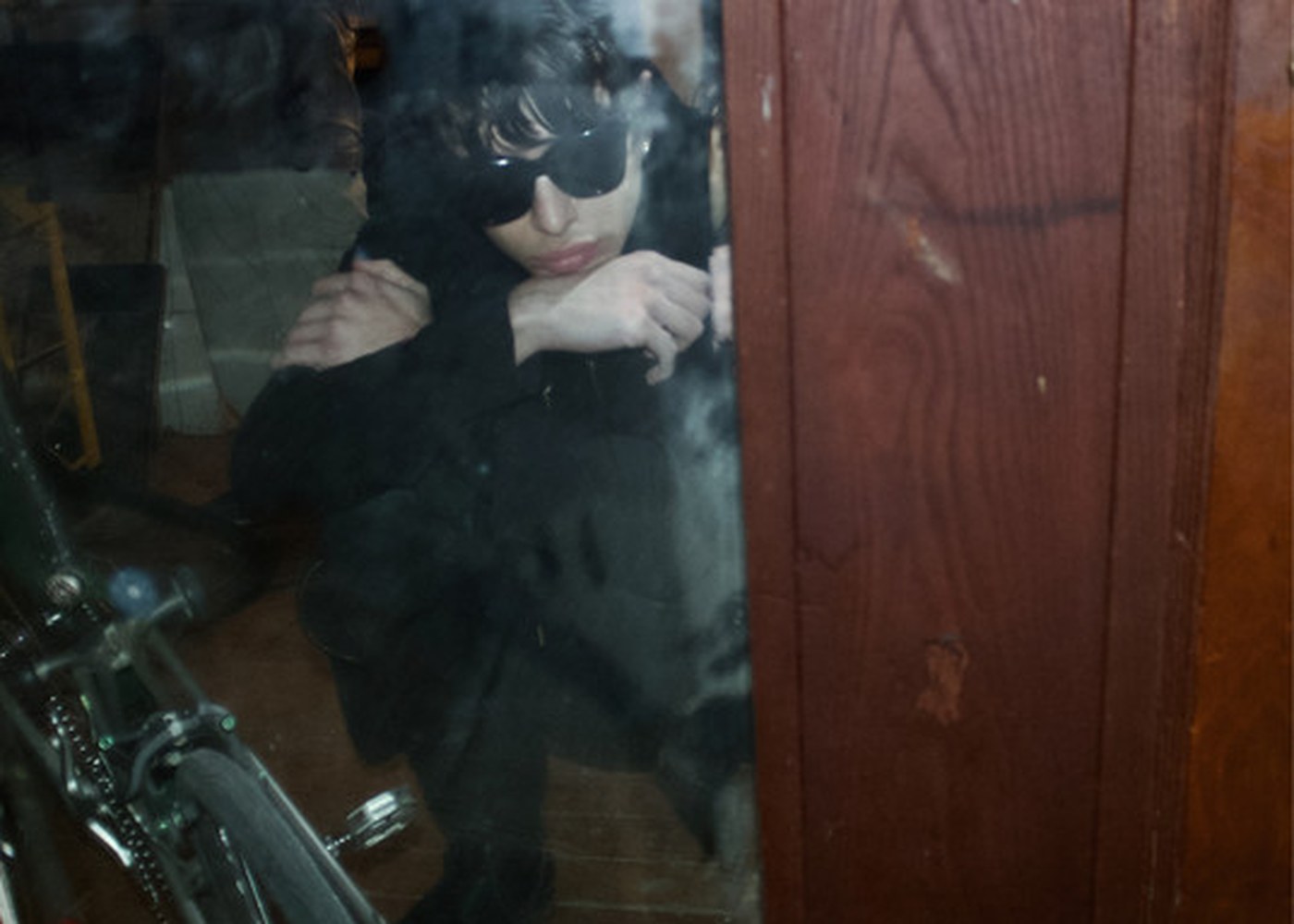
You wake up still high and the first thing you tell yourself is that you're done. Then you pop more. That is the whole song, and twentythree knows it is funny and bleak in equal measure, and does not bother choosing between the two.
"I HATE DRUGS" is a portrait of a cycle the narrator is completely lucid about and completely unable to exit. The title says one thing. Every verse does the opposite. That gap is the point.
The Pre-Hook: Tumbling With a Straight Face
The song opens mid-fall. "Never felt like this, it feels like I'm tumblin' down" is delivered right next to "Woke up, I'm still high but it's okay, gotta start my day right now." Those two lines should cancel each other out. They don't. The narrator is genuinely spinning out and genuinely fine with it, both at the same time, and the pre-hook holds that contradiction without flinching.
What keeps it from tipping into self-pity is the flex sitting right underneath the spiral. Alexander McQueen on the eyewear. Smiling everywhere. The narrator is losing their mind and dressed for it. That is a specific kind of armor, the kind you wear when you know people are watching and you want them to see someone who has it together even when they don't.
The Hook: 2016 and the Next Day
"I just told myself that I'm done and I hate drugs / Then the next day, gotta pop, gotta pop more"
This is the center of the song, and it earns the title. The narrator is not romanticizing drug use. They are reporting on it with the flat affect of someone who has watched themselves fail at quitting enough times that the failure no longer surprises them. "I hate drugs" is a real statement. So is "gotta pop more." Both are true. Neither cancels the other out.
"Feel like 2016 when I wake up" is the line I keep coming back to. It is not specific about what 2016 means, which makes it stick harder. It could be a better time, a worse one, a time before the habit locked in. The narrator wakes up reaching for some earlier version of themselves and lands immediately back in the cycle. The hook then escalates fast, from the store to the crib to the basement to the top floor, movement that mirrors the rush of the pill kicking in. By the time the bass line drops, the physical sensation and the narrative have synced up completely.
The repetition of "pop more" is not lazy writing. It is the point. The hook performs the loop it is describing.
The Refrain: Care Depleted
The refrain does one job. It dispatches it fast. "I don't give a fuck, no / Used to give a fuck though" is the emotional exhaust note the rest of the song needs. The narrator is reporting that something that used to register no longer does. That two-line admission does more damage than a whole verse of explanation would.
What the Song Leaves Open
A reasonable read here is that the song is not really about drugs at all, that the substances are just the clearest example of a broader pattern of self-destruction the narrator keeps choosing despite full awareness. The tumbling, the silence, the flex, the loop: it all fits a person managing something heavier than a habit. That reading holds. The song does not close the door on it.
What twentythree commits to, though, is the honesty of the cycle as its own subject. The song does not need a lesson at the end. The hook repeating a third time is the lesson. You said you were done. Here you are again. The bass hits. You jump.
Frequently Asked Questions
What is "I HATE DRUGS" by twentythree about?
"I HATE DRUGS" is about the cycle of quitting and relapsing, told without shame or moralizing. The narrator fully acknowledges hating their drug use and then keeps doing it anyway, and the song treats that loop as the honest reality rather than something to resolve or redeem.
What does "feel like 2016 when I wake up" mean in "I HATE DRUGS"?
The line references waking up with a feeling tied to a specific earlier year, though the song does not spell out exactly what 2016 represents. It reads as a moment of reaching back toward a version of life before the habit took hold, only to land immediately in the same cycle again. The vagueness is intentional: it lets the line attach to whatever "before" means for the listener.
Why does the hook repeat "pop more" so many times?
The repetition is structural to the meaning. The song is about a loop the narrator cannot break, and the hook performs that loop in real time by circling back to the same phrase. Saying "gotta pop more" twice in one breath mimics the compulsion the lyrics are describing, making the form and the content work as the same argument.
Lyric analysis powered by Scalpel.

Comments
Loading comments…