

Introduction
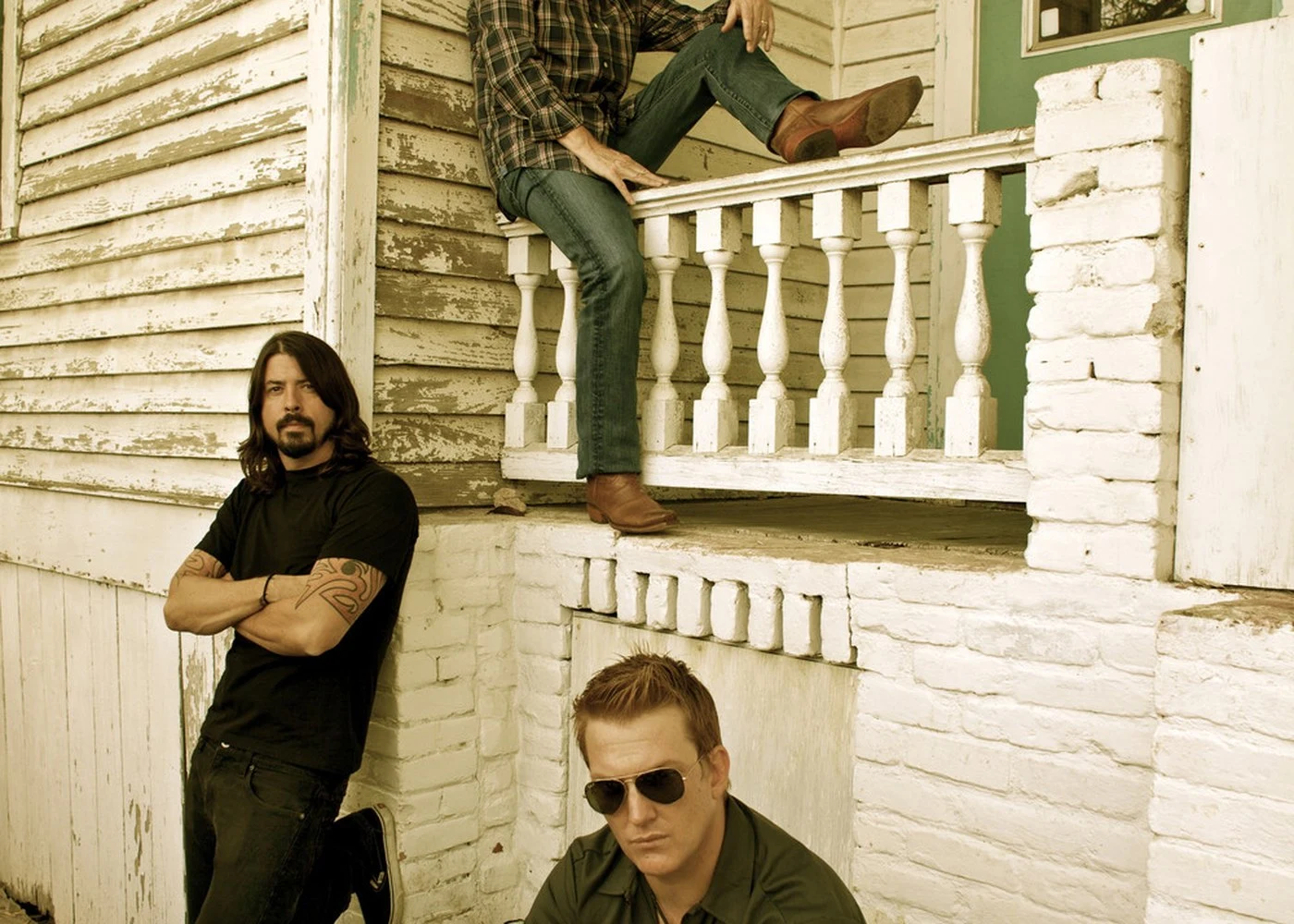
"Dead End Friends" is a song about finding your people and discovering they're exactly as lost as you are, so the loneliness stays and just picks up passengers. The narrator starts the night driving solo with no destination and ends it in a pack, still driving at night, still headed for the same wall. Nothing gets fixed. The crew is a comfort and a trap at once, and the song knows it and sings along anyway.
Night in the bloodstream
The opening is pure highway hypnosis. "I drive all alone at night" sets the scene, and then the narrator admits there's no plan at all: they "follow the road blind until the road is dead end." No map, no goal, just pavement until there's no more pavement.
Then the road moves inside the body.
"Night's in my veins, it's calling me / Racing along these arteries"
Road and bloodstream fuse into one system. The highway turns into arteries, the dark gets pumped through veins, and the drive stops being a choice and starts being circulation. You don't decide to keep your heart beating. The narrator doesn't decide to keep driving either.
Next comes the sneer: "law is just a myth / To herd us over the cliff." It's a nice bit of outlaw posturing, people as cattle, rules as the cowboys running them off a ledge. Except this narrator is being herded the entire verse, by asphalt. They follow the road blind to a dead end and call it freedom. Rebel logic at its finest.
And underneath the swagger, one confession slips out:
"I follow the road at night / Just hoping to find / Which puzzle piece fell out of me"
The line I keep coming back to. A puzzle piece is a cheap cardboard thing, the kind that ends up under a car seat and never gets found. The narrator knows something is missing but can't even name which piece, just that the picture won't come together. That's the whole engine of the song: you drive at night because you're incomplete, and you hope the road will cough up the part you lost.
The door swings open
"I know who you are and I / Open the door and climb in." The song turns on that hinge, and the grammar refuses to settle. Did the narrator open the door for someone, or climb into somebody else's car? Either way, the solo drive is over.
Who "you" is never gets said. And it doesn't need to. "I know who you are" is recognition, the jolt of spotting your own kind across a dark parking lot. What follows gets physical fast: "Hold me real close then do it again / Ache for the touch of my dead end friends." Touch, repeat. The word "ache" gives it away, though. You ache for what you can't keep, and the narrator is already hungry for the next round before this one ends.
Asking a question you already answered
"And oh, I gotta know / Is it dead at the end of the road?"
The narrator told us in the first verse that the road ends dead. So why ask? Because this question is a request for permission. They want someone else to say it's fine, the dead end is survivable, keep going. It's the 2 a.m. question you ask the people in the car precisely because they'll give you the answer you want.
The answer comes without words: "I can tell by that look in your eyes / We're the same, my dead end friends and I." Nobody says the road is safe. They just confirm everyone's headed for the same drop. The puzzle piece doesn't turn up. The narrator finds other people missing the same piece, and decides that's close enough.
Verse two: same road, more seats
Here's the proof, and it's one changed pronoun. "I drive all alone at night" becomes "We drive all alone at night." The friends arrive and the loneliness survives intact. It just goes plural. A car full of people, every one of them still alone.
The rest of the verse gets strange in the best way. "A never ending begin" jams a verb where a noun should sit, a start that never finishes starting, which describes every Friday night that repeats the last one. "Sweet as a curse just out of reach" is a backhanded compliment if there ever was one, and it "awakens the dead end part of me." The friends wake the worst part of the narrator, and the narrator loves them for it.
A fair fan could read "no more wandering / Just me and my dead end friends again" as a happy ending: the drifter finds a tribe and stops roaming. I get it, and the relief in that line is real. But "again" gives the game away. This has happened before, and it'll happen next weekend.
The chant
The song closes on "dead end friends" three times, a name repeated until it sounds like a password. Chant it enough and the dead end starts to sound like home.
Conclusion
The narrator set out looking for a missing piece and came back with a gang. The gang feels good. It holds you close, it reads your eyes, it ends the wandering. It also drives you to the same cliff the law supposedly herds everyone else toward, just with better company and the windows down. "Dead End Friends" understands that some people don't heal you, they just make the damage feel social, and the song is honest enough to ache for them anyway. The road still ends. Now there's a crowd at the edge.
Frequently Asked Questions
What is "Dead End Friends" by Them Crooked Vultures about?
The song follows a narrator driving alone at night with no destination, searching for something missing inside them. They find a group of people who are just as lost, and the loneliness doesn't go away; it becomes shared, as the line "We drive all alone at night" shows.
What does "Which puzzle piece fell out of me?" mean in "Dead End Friends"?
The line is the narrator admitting they feel incomplete without knowing exactly what's missing. The late-night driving is a search for that lost part, and the song never shows it being found. Instead the narrator settles for people who share the same gap.
What does "Is it dead at the end of the road?" mean?
The narrator already said the road ends in a dead end, so the question works more like a plea for reassurance than a real question. The answer comes through a look in the friends' eyes, confirming they're all heading the same way, which the narrator takes as permission to keep driving.
Lyric analysis powered by Scalpel.


Comments
Loading comments…