


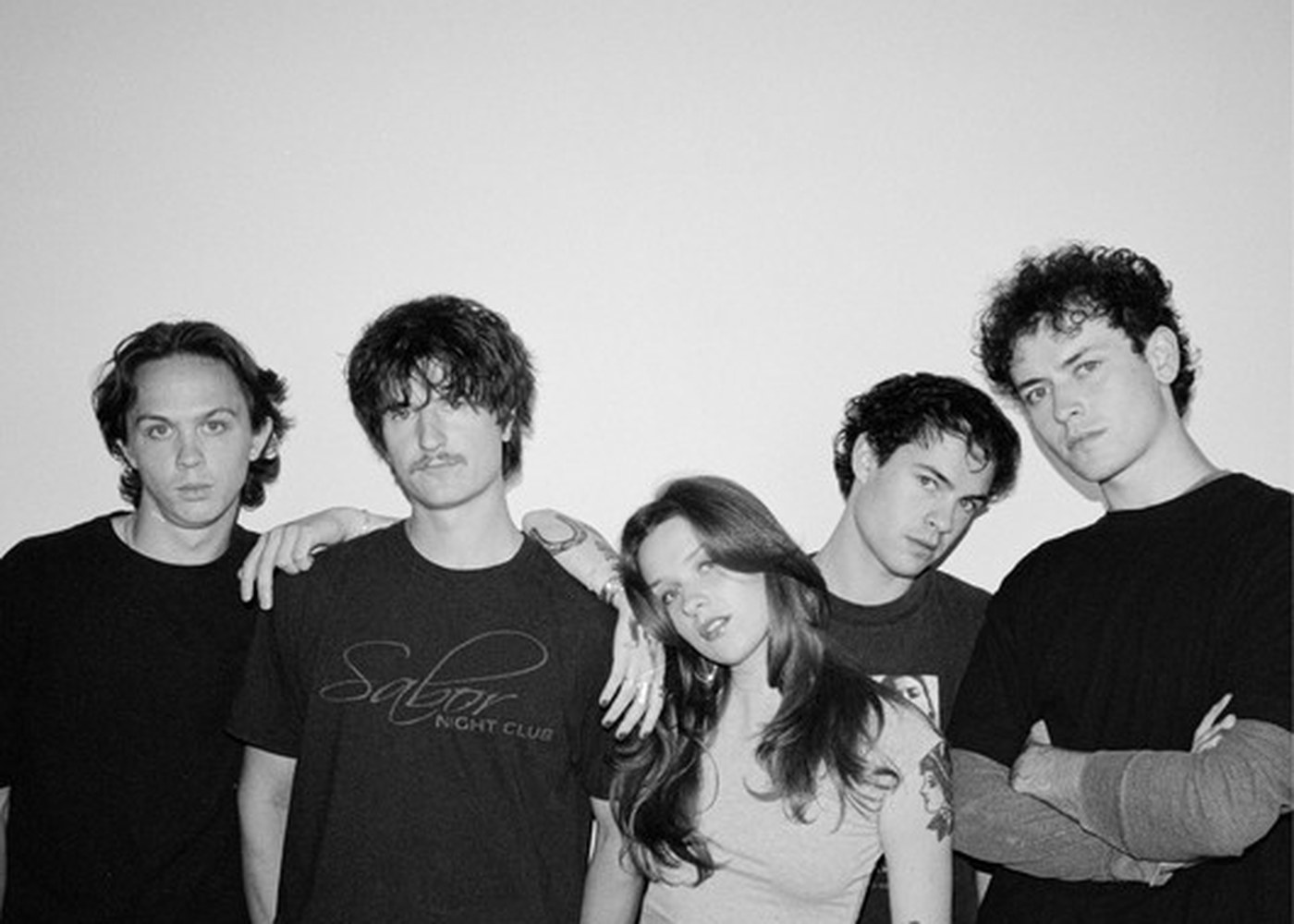
You already know this person. Maybe you've tried very hard to forget them. The Warning plant you right back in the middle of that dynamic, and they don't offer you a clean way out, because the song knows there isn't one. "Why Do You Like It When I Cry?" is built around a specific, suffocating question, and the answer the narrator keeps arriving at is the most disturbing one possible: the other person doesn't want this to stop.
That's the thesis the whole track is working toward. Not that love went wrong, not that someone is careless or emotionally unavailable, but that the pain being caused is the point. The song is about being someone else's entertainment.
The Chase That Never Ends
The first verse opens mid-sprint.
"I run like you're right behind me / Dust settles, you're never there"
The narrator is already in survival mode before we hear a single bar of context, and the cruelty is baked into those two lines together: the threat feels physical and constant, but the threat isn't even real in a literal sense. The other person doesn't have to actually be there. The pattern is so deeply installed that the narrator's body runs the chase on autopilot. That's how control works at its most efficient. You don't need to be in the room.
"Keep me guessing, counting my blessings" is a line that deserves a second look, because "counting my blessings" is doing something mean. It sounds like gratitude, the kind of thing you're coached to do in a toxic situation: focus on the good things, be thankful for what you have. But paired with "keep me guessing," it reveals itself as managed anxiety. The narrator isn't grateful. They're trying to stay calm enough not to shatter. The chase never ends because it's not supposed to.
Point, Shoot: The Chorus as Verdict
The chorus doesn't really build to a crescendo of confusion. It arrives as a verdict, delivered with the kind of exhausted clarity that only comes after you've been through this enough times to name it.
"Point, shoot, I'm always dodging bullets / Oh, you, you know it kills me every time"
The gun imagery is blunt and it should be. There's no metaphorical distance here, no romantic softening of what's happening. Someone is aiming at the narrator. Repeatedly. And the second line seals it: "you know it kills me every time." Not "it might bother me" or "it's hard." The other person has full knowledge of the damage they're doing, and they keep doing it anyway. That's the thing the song refuses to let you rationalize away.
"Cut through, but I'm already ruined" is where the physical and emotional imagery collapse into each other. You can't keep cutting something that's already been cut to pieces, except apparently you can, and apparently someone finds that worth doing. The title question lands differently once you've sat with those lines. It's not a rhetorical cry of confusion. It's a genuine, horrified inquiry. Why would anyone want this?
Verse 2: When the Pattern Gets a Name
The second verse is where the song shifts from describing the experience to diagnosing it, and it's the coldest two lines on the track.
"Destructive for your amusement / Just want me to hurt again"
"Amusement" is a word that should not be in a love song, and that's precisely why it works so hard here. It's not passion, not obsession in the romantic sense, not even hatred. It's entertainment. The narrator has been reduced to a source of stimulation for someone who finds their pain interesting. "Kind of obsessive, I got the message" follows that with a flat, almost deadpan acknowledgment, and honestly, the delivery implied in that lyric reads like someone who has run out of the energy to be shocked. They've received the message. It just hasn't made anything better.
"The more you push and pull, the more I bend" is the line that makes the whole dynamic structural rather than personal. Push-pull is a mechanism, not an accident. It's a technique. And the narrator is bending under it, not because they're weak, but because that's what sustained pressure on a person does.
"'Til I'm Nothing": The Expanded Chorus
The second pass at the chorus adds three words to the title question that make it land completely differently.
"Why do you like it when I cry 'til I'm nothing?"
That's the destination. Not just tears, not just pain, but erasure. The goal, the song argues, is the total disappearance of the narrator as a person. And then: "What did I ever do to deserve this?" It's the most naked moment on the record, a question asked in total sincerity with no ironic distance, and it's devastating because it still contains a sliver of self-blame. The narrator is still, in that moment, trying to locate their own culpability in what's been done to them. That's the last hook the other person has in them.
A reasonable counter-read is that the song is about an internal voice, a self-critical pattern rather than a specific person. The "you" could be the narrator's own punishing inner monologue. The imagery would support it. But the specificity of "destructive for your amusement" and "just want me to hurt again" reads more deliberately predatory than self-generated. The external "you" is the read the song earns.
What the Song Actually Leaves You With
The title question never gets answered inside the song, and that's the final move. "Why Do You Like It When I Cry?" doesn't offer resolution, growth, or the satisfying arc of someone walking out the door with their self-worth intact. The chorus loops. The question loops. The narrator is still in it at the end.
That refusal to resolve is the song's most honest choice. Because in the actual experience of being in this dynamic, there is no tidy answer, no revelation that makes the other person comprehensible, no exit that comes with full closure. What you're left with is the question ringing in your own chest, the voice asking why someone would do this, and the horrible creeping knowledge that some people simply would. The song doesn't explain that. It just holds the door open long enough for you to feel it fully, and then it leaves you standing there.
Lyric analysis powered by Scalpel.



Comments
Loading comments…