

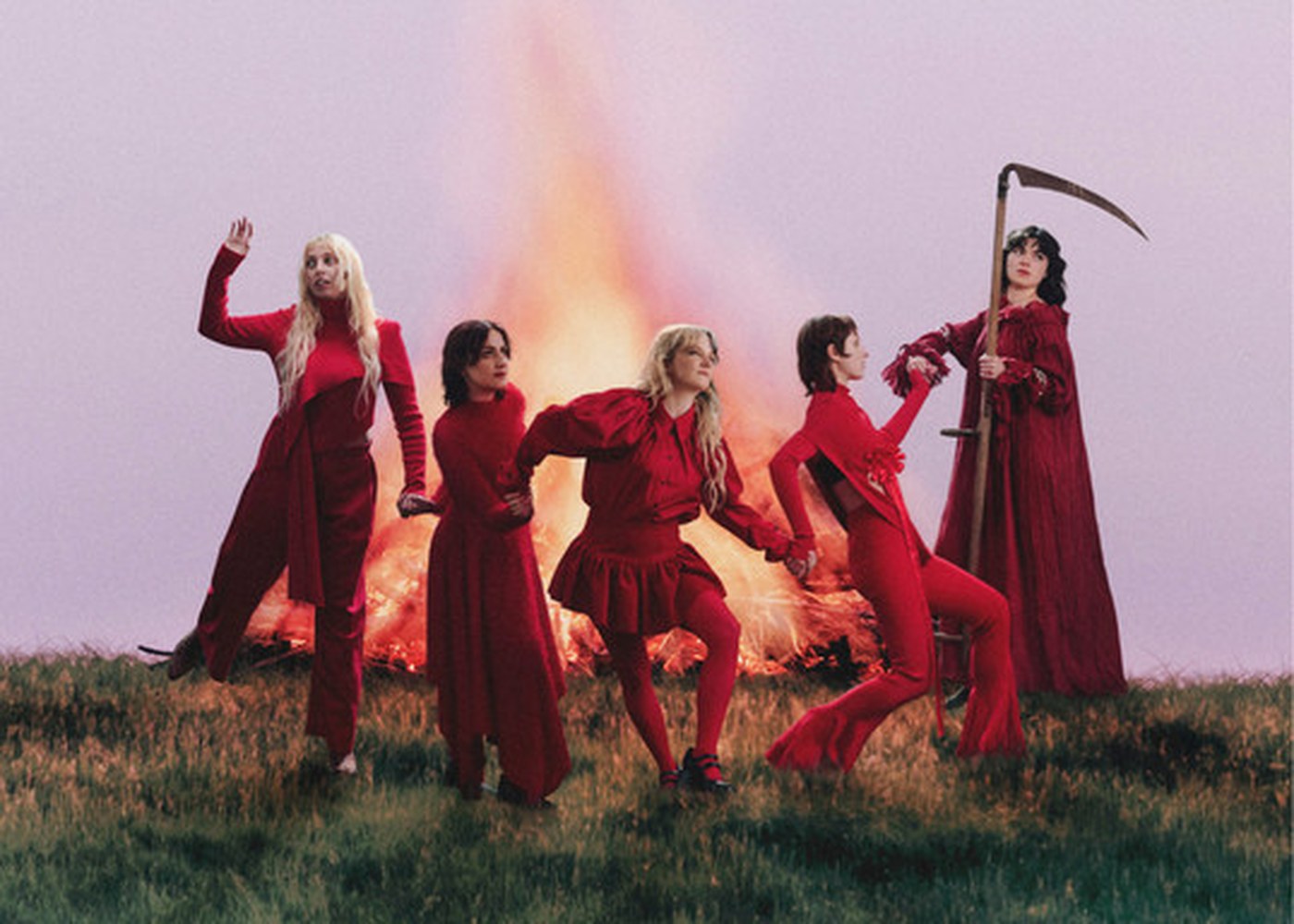
Most songs about desire and guilt try to resolve the tension. They ask forgiveness, or they reject the framework entirely and declare themselves free. "Sinner" does neither. It holds both states open at once, mourning the moment innocence curdled into shame while simultaneously choosing the thing that shame condemns, and it never apologizes for the contradiction. That is what makes it singular: the song wants to go back to before absolution was necessary.
The central argument is laid out without ceremony in the first verse. Guilt is a layer deposited by time, by religion, by the accumulated weight of a world that decided what touch means. The narrator didn't always know this feeling. They knew something before it.
The Childhood That Can't Be Recovered
The opening verse is built on repetition that starts to feel like an incantation the more you sit with it. "I wish I knew you" cycles four times, each time reaching for a version of the relationship that existed before the narrator grew into self-consciousness. The specificity of "back when we were both small" matters: this is not abstract nostalgia for lost innocence. It is a wish for a particular person, encountered at a particular time, before the narrator's own body became a site of judgment.
"I have gotten too tall" carries the full weight of that loss in six syllables. Adulthood, in this song, is not growth so much as encumbrance. To grow is to inherit the vocabulary of transgression.
"I wish I knew you / Before it felt like a sin"
That line is the song's thesis in its barest form. It does not say touch is a sin. It says it feels like one now, and the word "before" does the theological work. There was an original state. Something happened to corrupt it. Only the song blames the corruption, not the desire.
The City, the Altar, and the Decision
The second verse shifts location and register, and the shift is jarring in the best way. We move from a dreamed-of childhood to a recognizable adult present: a cold city, lips described as dust, a world that has contracted around the narrator until it feels "small" in a different sense than the warmth of childhood smallness. The city's smallness is constriction. Its coldness is the logical endpoint of whatever process turned touch into transgression.
And then the pivot. The song doesn't stay in the cold.
"Turn to the altar of lust"
The religious imagery here is not ironic. The Last Dinner Party are too precise for that. The altar is a real request, an actual consecration of desire, and the verb "turn" carries both physical and spiritual weight: face me, yes, but also convert. The song is asking its subject to abandon one faith for another. Lust is the ceremony itself, not a fall from grace.
The move from "cold eyes and lips of dust" to this altar is the song's central emotional leap. The narrator knows what the world outside offers, and they are offering something else entirely: not escape from religion but a different religion, one where the body is the sacred object rather than the suspect one.
What "Pray for Me on Your Knees" Is Actually Doing
The line arrives first as a parenthetical, almost whispered beneath the chorus, and by the final section it has become a full invocation. "Pray for me on your knees" is doing something genuinely strange and genuinely compelling: it takes the posture of devotion and tilts it. Kneeling in a religious context is submission to the divine. Here, submission is the act of love, and the narrator is both the worshipped and the wounded, calling for intercession on their own behalf.
The genius of this construction is that it refuses to decide who holds power. The person on their knees is in a position of service, yes. But the person asking them to kneel is confessing vulnerability: pray for me. I need it. The narrator is not simply demanding worship; they are admitting they cannot cleanse themselves alone.
The bridge makes this explicit and raises the temperature considerably:
"Wash the sin from your back / Cleanse my soul, make me whole"
This is baptismal language given back to the body. The crystal stream, the morning glow, the act of washing: these are rituals of purification lifted wholesale from religious tradition and relocated into a lovers' morning after. The sin is not renounced. It is ritually incorporated, then released. And crucially, the song asks the beloved to cleanse - not God.
The Morning That Answers Everything
"Stay through the night / I'd spend the mornings by your side" is the song's most unguarded moment, and it arrives with an urgency the rest of the song earns rather than declares. After all the theological architecture, this is what the narrator actually wants: time. Physical proximity. A morning that hasn't been swallowed by the grey of the hillside or the grey of guilt.
"Time slips away" sits there unadorned, and it is the line I keep returning to, because it's the one place where the song stops performing and simply grieves. Everything else in "Sinner" has shape and intention. That line is just loss, stated plainly.
But the final movement doesn't end in grief. The image of holding, of dancing in the morning glow, of two people acknowledging together that they cannot go back, reaches a kind of resolution that is not innocence restored but something more sustainable: the acceptance that the "before" is gone, and the choosing of the "after" anyway.
What the Song Leaves Open
A fair reading exists in which this song is less triumphant and more trapped: the narrator circles the same refrain because they cannot actually move past the guilt, only aestheticize it. The ritual imagery might be a coping mechanism rather than a liberation. I find that reading less convincing than the one above, but it has teeth.
The Last Dinner Party's "Sinner" makes the argument that the religious concept of sin is a framework imposed on the body from outside rather than a description of something real, and that the antidote to that framework is not rationalism but counter-ritual. You replace the old altar with a new one. You take the vocabulary of prayer and devotion and you give it back to flesh, to morning light, to the person beside you in the stream. Guilt, the song insists, is only what desire was taught to call itself.
Frequently Asked Questions
What is "Sinner" by The Last Dinner Party about?
"Sinner" is about the grief of losing pre-conscious innocence and the decision to embrace desire anyway, despite internalized guilt. The narrator mourns a time before touch carried the weight of transgression, then actively chooses the person and the feeling the word "sin" was meant to forbid. The song reframes religious ritual around physical love rather than renouncing either.
What does "Turn to the altar of lust" mean in "Sinner"?
The line asks the subject to convert, in a spiritual sense, from whatever cold, dutiful life they inhabit to one where desire is the act of worship. The altar imagery is sincere, not ironic: the song is proposing lust as a legitimate religion with its own sacred space, not mocking religious devotion but redirecting it toward the body and the beloved.
What does "Pray for me on your knees" mean in "Sinner"?
The line borrows the posture of religious supplication and places it inside a relationship, so that kneeling becomes an act of love rather than submission to doctrine. Crucially, the narrator is asking to be prayed for, which reveals vulnerability beneath the demand: they cannot cleanse their own guilt and need the beloved's intercession. Power and need run in both directions at once.
Lyric analysis powered by Scalpel.




Comments
Loading comments…