

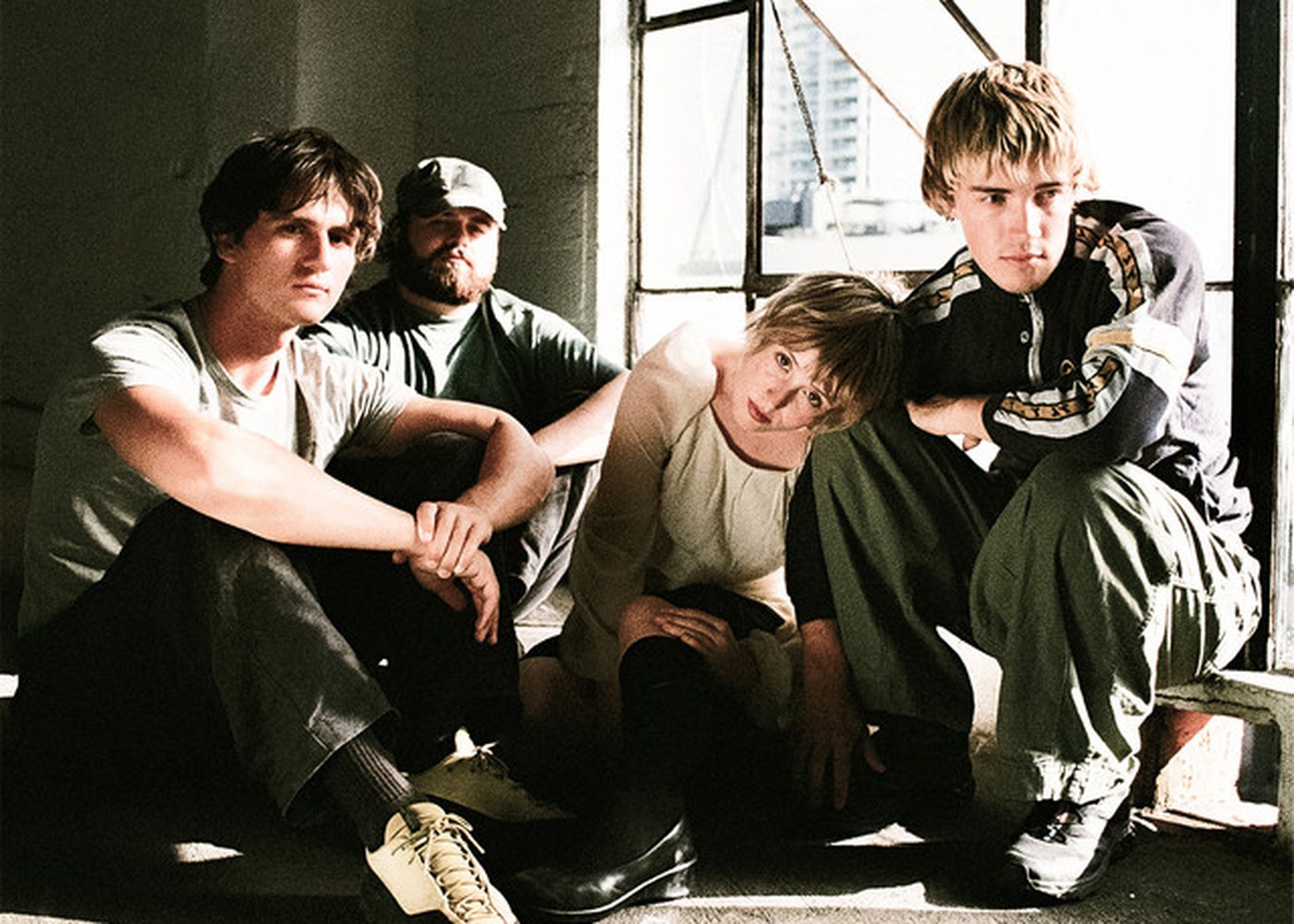
You know the feeling of standing in a doorway, one foot already gone. "Halfway" puts you there and doesn't let you move. The song is about being caught between a life you've already left and a want so sharp it scares you, and Swapmeet holds both at once without flinching. At its core, this is a song about the cost of desire: how wanting something completely, and losing it, or almost having it, can feel like the same wound.
The Chorus: A House You Set On Fire Yourself
The opening chorus front-loads the damage. "Broke the only thing I cared about" doesn't ask for your sympathy. It just states the fact, flat and unvarnished, and the plainness of it is what cuts. The narrator isn't dramatizing the loss. They're reporting it like weather.
Then the geography kicks in. Driving to a new state, leaving behind a burning house and a cigarette, is the kind of image that works because it refuses to explain itself. Is the house literally on fire? Probably not. But the cigarette is specific enough to feel real, a small, careless thing left behind in the middle of a larger catastrophe. The narrator didn't put the fire out. They lit one more small one and drove.
"Halfway in and halfway out" keeps returning, and it earns that repetition. It describes someone who has made a choice without completing it, who has left without being gone. The second chorus twists it further: "Love is simple, love's a crowd" crashes two completely incompatible ideas into each other, and then comes the collar. "You tie the collar round my neck" is about control dressed as devotion, intimacy that tightens. The pirouette before it makes the restraint almost graceful. Almost.
Verse 1 and the Post-Chorus: What Almost Was
The first verse drops us onto floorboards. A run-down 1950s kitchen, thinking about "the house that we almost lived in." That almost does everything. The grief here is for something they got close enough to imagine, not something they had. The loss is of a future, not a past, which is its own particular kind of haunting.
And then the post-chorus lands on a birthday. Twenty-three, lying in bed, rain coming through the windows like "a thousand little arrowheads." That image should be overwrought. It isn't, because the arrowheads are accurate. Small, multiple, relentless. That's what it feels like when you're that age, that alone, that certain you've already ruined the life you wanted. The body registers it as something physical and incoming.
Verse 2: Where the Fear Arrives
The second verse is where the song stops being about the past and starts being about right now. Cracks in the ceiling, a splinter in the palm, a car crash at the doorstep. The images pile up as physical evidence of something about to give way. Nothing dramatic. Just the slow accumulation of damage until the narrator can't hold it anymore.
"It's coming closer / It's on the tip of my tongue"
That building urgency delivers the line I keep coming back to:
"I fear you might be / The only thing that I want"
Fear. Not hope. The wanting here is the threat. After a song full of things broken, left behind, almost-had, the narrator lands on desire itself as the dangerous thing. To want something this completely is to set up the next loss. The fear is of needing it that badly - of what happens when complete wanting meets the knowledge of what complete wanting costs.
A reasonable listener could hear this differently: that the fear is about vulnerability, about being seen wanting. That reading holds too. But the arc of the song, built out of leaving burning houses and almost-lives, pushes toward something sharper. The narrator has already learned what complete wanting costs. That knowledge is what makes this admission terrifying.
What the Song Leaves You With
The instrumental outro doesn't resolve anything. The song just stops. Which is the only honest ending for a narrator still standing in the doorway, halfway in and halfway out, finally admitting what they want and terrified of what that means. The burning house is behind them. The collar is still there. And the wanting, which broke something essential once already, is back. That's where Swapmeet leaves you: with desire as the thing you're most afraid of in yourself. Unfinished. Accurate.
Frequently Asked Questions
What is "Halfway" by Swapmeet about?
"Halfway" is about the terror of desire after loss. The narrator has already broken something they loved and half-escaped it, and the song follows them as they realize they want something just as completely again, knowing exactly what that kind of wanting can cost.
What does "Broke the only thing I cared about" mean in "Halfway"?
The line is the song's central confession: the narrator didn't just lose something, they broke it themselves. It's delivered without self-pity or elaboration, which makes it land harder. The rest of the song, the driving away, the burning house, the almost-life, fills in the shape of that damage without ever explaining it directly.
What does "I fear you might be / The only thing that I want" mean?
The fear is the point. After a song built on leaving, losing, and almost-having, the narrator finally names a desire, and frames it as a threat. To want something this completely means risking the same devastation again. The line isn't a love confession. It's an admission that wanting itself has become the thing the narrator is most afraid of.
Lyric analysis powered by Scalpel.

Comments
Loading comments…