

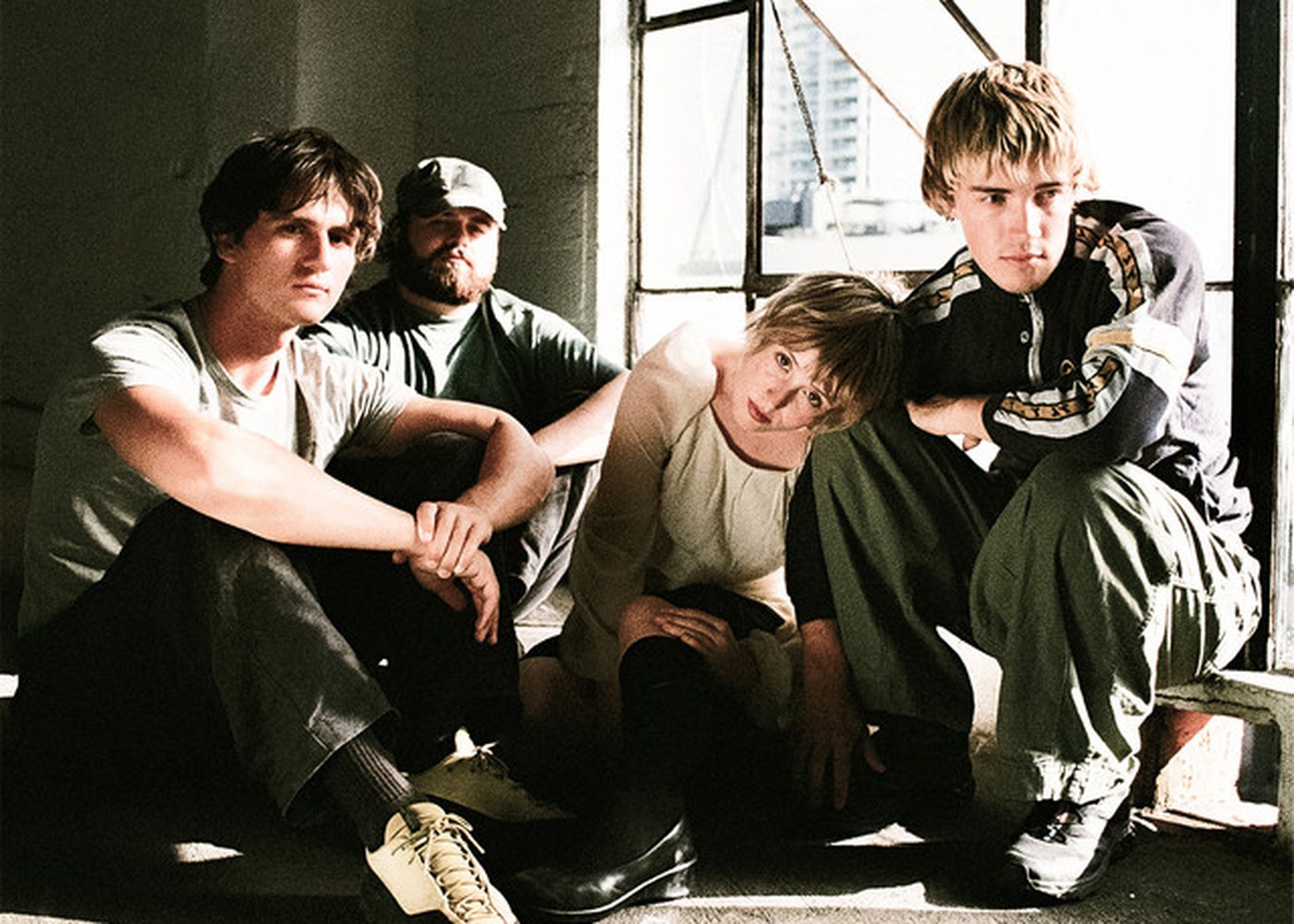
"Bonny" is a song about mourning a version of yourself that someone else got to know first. The narrator is reaching across a gap that keeps widening, trying to make contact with something, a person, an old self, a body, that has already moved on without them. Every tender gesture in the song arrives slightly too late.
The Machine in the Room
The first verse sets up the dynamic fast. The narrator knows Bonny is trying to sleep, and instead of backing off, they lean in harder.
"Put another coin in me, watch where you're doing"
That line stops everything. The narrator isn't asking for connection. They're describing themselves as a machine that needs feeding, a jukebox, a vending slot, something mechanical and hollow that requires input to function. "Watch where you're doing" sounds like a warning, or maybe a flinch, the body bracing against touch it doesn't fully trust. The coin image makes intimacy transactional not to criticize Bonny, but to describe how the narrator experiences being approached. Something has been switched off inside them. They're watching themselves from outside.
This is the song's core argument: whatever happened between the narrator and Bonny didn't just damage the relationship. It interrupted the narrator's relationship with their own body.
Winning and Losing the Same Thing
The second chorus shifts the angle. "How did you win over me?" could be affectionate, the kind of thing you say to someone you fell for unexpectedly. But paired with "I've kept it to myself" and "you remind me," it curdles slightly. Bonny didn't just win the narrator's heart. They got access to something private, something the narrator hadn't offered up. And now that intimacy sits wrong. Being known is the problem, not the solution.
"Down to my inconsequential quest to surprise me" is the line that sneaks up on you. The narrator was trying to catch themselves off guard, to feel something they hadn't predicted. Bonny became part of that project. The relationship was, at least partly, an attempt at self-discovery, and now the narrator can't fully separate the two.
Verse 2: Where the Grief Gets Physical
The second verse is where the song earns everything it's been building toward.
"Grieve the death you had in a dream"
That line is doing something specific and strange. It's not asking Bonny to grieve a real death. It's asking them to mourn a death that happened in a dream, which means the loss was never solid, never legible, never something you could hold a funeral for. But you still woke up with the weight of it. The narrator is naming the kind of grief that has no ceremony and no clean ending: the grief of a self that quietly stopped existing without anyone noticing.
Then comes "hold your head up closer to me, like when we were little," and the whole song shifts temperature. There's a childhood here. Bonny isn't a stranger. This is someone who knew the narrator before, before whatever happened to make the body feel like a coin slot, before the inconsequential quest, before the downhill started. "Like when we were little" reaches back toward a version of closeness that was simpler because it was pre-self-conscious, before anyone had to perform comfort or negotiate proximity.
"Malcolm in the Middle" drops in at the end of the verse and refuses to be explained. It's a punchline that doesn't quite land as humor, which is exactly the point. The show is about a kid stuck between forces he can't control, perpetually in the middle of other people's chaos. The narrator knows Bonny promised to come to the show and won't. And rather than grief or anger, they reach for a TV reference, a deflection wrapped in a reference to being perpetually caught between things. I find that moment the hardest to hold still on. It could be ironic distance or genuine numbness. Maybe both.
"I've Been Sick Since You Overtook Me"
The final chorus gives the sickness a name. Not heartbreak. Not sadness. Sickness. Something that started when Bonny "overtook" the narrator, which is a word about being passed, surpassed, replaced. Bonny moved through them and kept going. The narrator is still standing in the place where they got overtaken, trying to finish a sentence that starts with "if I could, if I could, if I could" and never arrives anywhere.
That repetition is the song's most honest moment. The narrator doesn't know what they would do if they could. The conditional loops back on itself because there's no clear object, no action that would fix the thing that's been broken. Just the ache of the unfinished clause.
What "Bonny" ultimately maps is the experience of being estranged from yourself through closeness with someone else. Not because Bonny did something wrong. Because being truly known can expose the gap between who you are and who you thought you were, and some people never close that gap again. The body becomes a machine. The grief has no funeral. And the show goes on without anyone showing up.
Frequently Asked Questions
What is "Bonny" by Swapmeet about?
"Bonny" is about the grief of feeling estranged from your own body and self after a close relationship. The narrator addresses someone named Bonny while struggling to make contact across an emotional distance that feels both relational and deeply internal. The song treats intimacy as something that can expose a person to themselves in ways that are disorienting rather than healing.
What does "put another coin in me" mean in "Bonny"?
The line describes the narrator as a machine, something hollow that requires external input to function. It frames intimacy as transactional not to blame Bonny, but to show how disconnected the narrator feels from their own body. The image suggests a self that has become mechanical, watching touch happen from the outside rather than feeling it from within.
What does "grieve the death you had in a dream" mean in "Bonny"?
The line names a kind of loss that has no ceremony or clear event to point to. A death in a dream is real in feeling but has no body, no proof, no proper ending. The narrator is asking Bonny to mourn something that slipped away without anyone being able to mark it, the kind of grief that stays because it was never allowed to finish.
Lyric analysis powered by Scalpel.


Comments
Loading comments…