

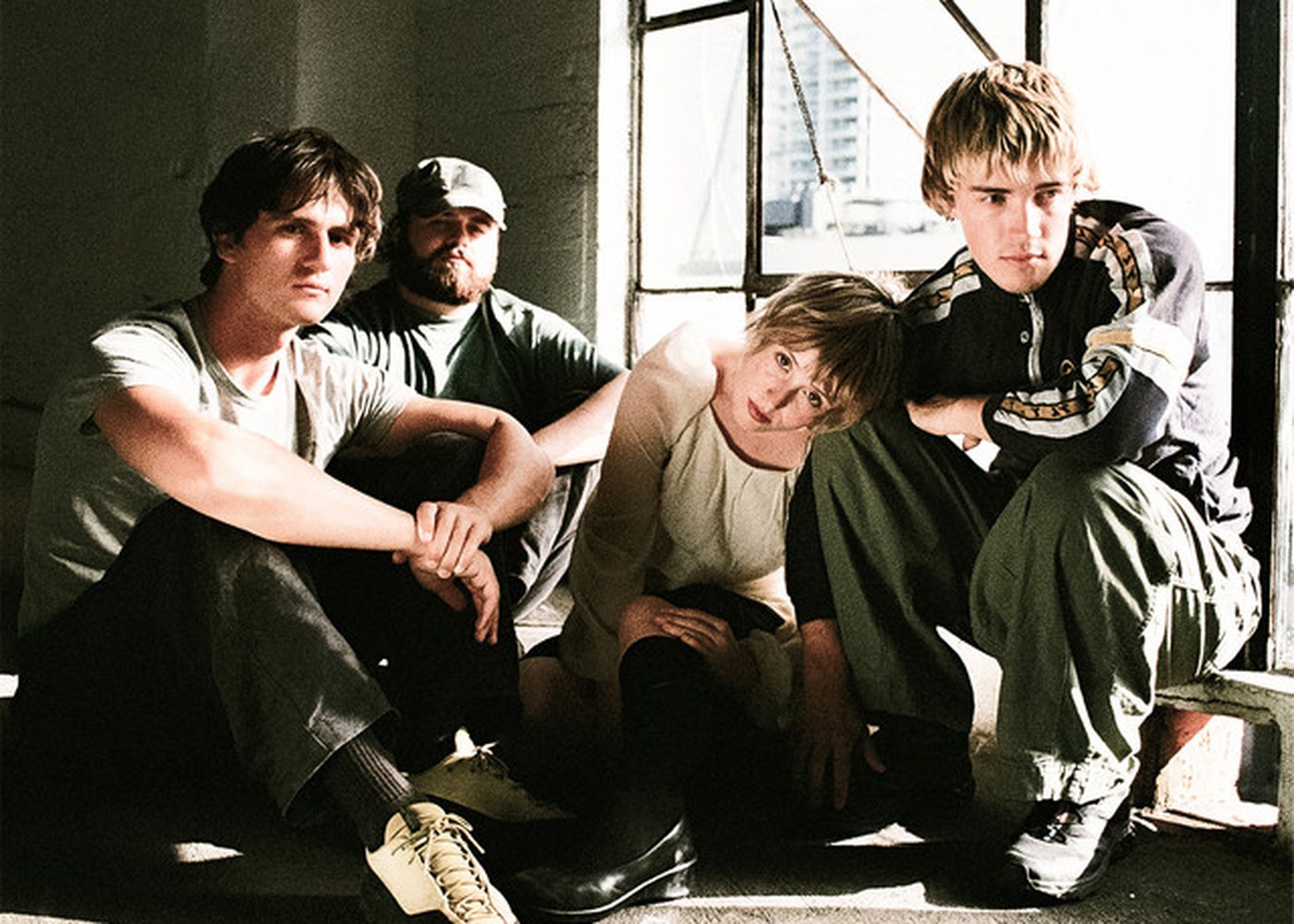
"2 C U" is a love song and a self-harm song at once. That should be a contradiction. It isn't.
The narrator is counting down to something. Driving all night, talking to themselves, sitting in a cold shower. The urgency is real. But the "you" they're racing toward keeps slipping, and by the end of the song, the most honest read is that they're longing for a version of themselves that only visits. A body that occasionally feels livable. That's what the song is about: the brutal gap between that body and the one you're stuck in right now.
Verse 1: The Counting and the Burning
The song opens on a ritual. Two of them, actually, stacked on top of each other with no explanation.
"I hold the flames till it bites, I count the burn hairs I find"
Holding flame to skin until it hurts. Then cataloguing the damage. The counting isn't chaos, it's control, which is exactly what makes it hard to look at directly. The narrator isn't spiraling. They're methodical. They're doing math on their own body.
Then there's the ticket. "One-two-three-four-three-four-five." The number keeps stuttering, resetting between threes and fours, never quite arriving at five clean. A ticket for life that won't sequence right. The dysphoric reading writes itself: a body assigned to you, a script you didn't choose, a life you're supposed to inhabit but keeps glitching on the way to the next number. The verse repeats entirely, which isn't laziness. It's the loop. You do the thing, you count, you start again.
The Chorus: All That Urgency, Aimed Somewhere Uncertain
The chorus arrives like relief and won't quite deliver it.
"I can't wait to see you again / I drove all night to see you / Red lights flashing in my rear view"
The driving is real. The red lights are real. But the destination stays unnamed. "You" never gets a body, a pronoun, a context. And that absence starts to feel deliberate by the third time the chorus circles back. The narrator sat in a cold shower. Talked to themselves for hours. These aren't things you do on the way to see someone else. They're things you do when you're trying to get back inside yourself.
The cold shower especially. After the flame-holding in verse one, cold water is the other side of the same gesture: using sensation to locate yourself, to confirm you're in there somewhere. The chorus points not toward another person but toward the self that occasionally shows up when conditions are exactly right and then leaves again.
Verse 2: Heaven as a Day Trip
The second verse is where the song's theology gets strange and specific.
"I've been to Heaven, I liked it just for the day"
This is the line I keep coming back to. Not because it's metaphysically tidy, but because it refuses to be. Heaven was real. It was good. And it lasted one day. The narrator isn't describing a permanent state. They're describing a visit. Gender euphoria works exactly like this: it arrives sometimes, in the right clothes or the right mirror or the right pronoun, and then the ordinary body reasserts itself. You got a taste of something. You want to get back.
The verse is also doing something strange with language itself. "It's painted over and covered in black and grey." The question can't be erased, but it's been buried. Something is being concealed here, layered over. And then: "I wanna hold you, I'll hold it, I can't explain." The slip from "hold you" to "hold it" happens mid-sentence, almost mid-thought. The narrator catches themselves reaching outward and folds back inward. Holds the feeling instead of the person. Can't get the words out anyway.
What exactly is the question that can't be erased? The song won't say. That's either its one unresolvable gap or its most honest move.
The Outro: Wanting Without Moving Toward
The outro strips everything back to the one line, repeated until it's less a declaration than a pulse.
"I can't wait to see you again"
No driving now. No shower. Just the wanting, running on its own. By this point the urgency has curdled slightly, not into despair but into something more static. The narrator isn't moving. They're holding still and waiting for the version of themselves that felt like Heaven to come back. The countdown from the first verse never resolves. The ticket doesn't redeem. The song ends in suspension, which is the most truthful place it could end.
"2 C U" is about the specific cruelty of knowing what it feels like to be at home in your body, having felt it once, and spending the rest of your time trying to get back. The burning and the counting are how you stay tethered when that version is gone. The longing is real and aimed inward. That's the song.
Frequently Asked Questions
What is "2 C U" by Swapmeet about?
"2 C U" is about longing for a version of yourself that only occasionally feels reachable. The narrator describes rituals of bodily sensation, a desperate drive to reunite with someone unnamed, and a single day spent in a place called Heaven, all pointing toward a self that feels livable but keeps slipping away. The song is widely understood as a portrait of gender dysphoria and the painful gap between the body you have and the one that briefly felt like yours.
What does "I hold the flames till it bites, I count the burn hairs I find" mean in "2 C U"?
The line describes holding a flame close to the skin until it burns, then counting the singed hairs left behind. It's a portrait of self-harm as a control ritual rather than pure chaos: the narrator is methodical, cataloguing their own body's response. In the context of the song, it reads as a way of staying present inside a body that otherwise doesn't feel inhabited.
What does "I've been to Heaven, I liked it just for the day" mean?
Heaven here describes a temporary state of feeling right, whole, or at home in oneself. The key detail is that it lasted only a day. The narrator experienced something extraordinary and then lost access to it, and the rest of the song is the ache of trying to get back. Many listeners hear this as capturing gender euphoria: the rare, fleeting moments when a body feels genuinely yours before ordinary life reasserts itself.
Lyric analysis powered by Scalpel.

Comments
Loading comments…