

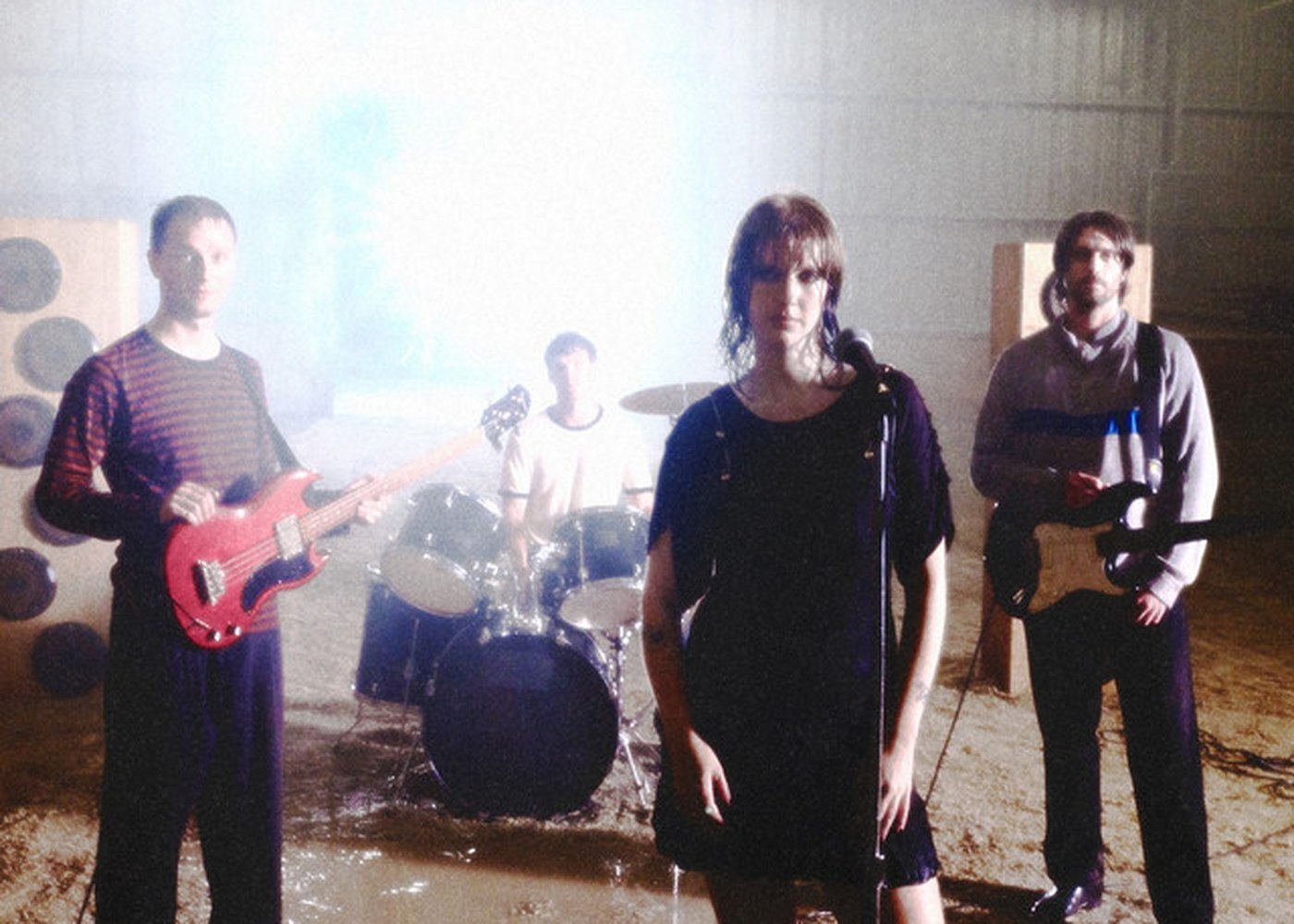
"Up to You" is about the specific terror of being seen clearly and not knowing if that's enough. The narrator has already made the other person doubt them, already lost time, already changed. What they're asking, plainly, is whether love can survive self-knowledge. The chorus hands the whole thing over: I want this to last, but I can't control whether it does. That's the song.
You know that moment when you finally stop pretending to be who you used to be in a relationship, and then you have to just stand there and wait to find out what happens next? "Up to You" lives in the aftermath, not in the fight, not in the apology, but after everything honest has been said and the other person is still deciding. Slow Pulp traps you in that gap between confession and answer, and the song doesn't let you out.
The first verse sets it up without over-explaining. The narrator knows something has shifted: "it's off." They're not playing a former version of themselves anymore, which sounds like progress until you realize the relationship was partly built on that version. They've lost time. They've kept things to themselves. And now they're awake, waiting. The last two lines of the verse are almost gentle about it: "I got lost in time / But I don't mind waiting up." That's not self-pity. That's someone who has done the work on themselves and is now patient in a way they probably couldn't have been before.
Then the chorus hits, and it's two lines. That's it.
"'Cause I want it to last / Is that all up to you?"
The word "all" is doing serious work here. The question is not just "is it your decision" but "is the entire weight of this thing resting on you now?" Because the narrator has already given what they can give, changed what they can change. They've run out of variables they control. What's left belongs to the other person, and that is genuinely terrifying when you care about the outcome.
The second verse gets more specific and, honestly, more uncomfortable. The narrator admits they made the other person doubt them. They couldn't hold everything together. Whatever broke was real. But there's a line in there that catches me: "I just thought I'd see it once, or maybe twice, but now it's stuck." The "it" is ambiguous enough to be almost anything, some pattern, some feeling, some failure, but the image of something you expected to be temporary becoming permanent is one of the more honest things the song does. We bargain with our own flaws like that all the time.
The second chorus shifts slightly from the first. "Is that all up to you?" becomes "Is it what you want, too?" That's a softer ask. Less about agency, more about desire. The narrator isn't just asking whether the other person holds the power; they're asking whether the other person even wants the same thing. Small change, big difference.
The outro is where the song finally commits.
"'Cause I know who I am / Can you love me like that?"
This is the realest line in the song, and it flips what you might expect from this kind of moment. Most songs about relationship uncertainty are full of self-doubt, of not knowing if you're good enough. This one says: I know exactly who I am. I've done that work. The question is whether you can meet me there. That's brave in a way that's easy to miss because the melody doesn't announce it. The narrator is not asking to be fixed or reassured. They're asking to be found.
A reasonable read on this song is that it's about someone who has been emotionally avoidant finally opening up and hoping love catches up to their honesty. That reading holds. But I think what the outro adds is something harder: self-knowledge as a kind of arrival point, not a resolution. The narrator plants their feet and still runs to the end in the same breath. They know themselves, they're still trying, and they're still asking the question.
"Up to You" ends without an answer, and that's the point. The narrator has been as honest as they know how to be. They've named who they are, admitted what they've done, and let go of the outcome. The song doesn't reward that with certainty. It just holds the space open, waiting in the same quiet way the narrator is waiting, for someone to show up and say yes.
Frequently Asked Questions
What is "Up to You" by Slow Pulp about?
"Up to You" is about reaching a point of hard-won self-awareness in a relationship and then realizing the outcome is no longer in your hands. The narrator has changed, come clean about their failures, and handed the decision to the other person. The song sits in that waiting space between honesty and answer.
What does "Can you love me like that?" mean in the outro?
The line follows "'Cause I know who I am," which reframes the whole ask. The narrator is not asking to be tolerated or forgiven. They're asking whether the other person can love them as they actually are, now that the pretense is gone. It's less a plea than a clear-eyed challenge.
Why does the chorus ask "Is that all up to you?" instead of just saying the relationship is over?
Because the relationship is not over; it's suspended. The narrator has done what they can do and run out of moves that belong to them. The chorus captures the specific helplessness of wanting something to survive when the only remaining variable is whether the other person chooses it. The song stays in that uncertainty on purpose.
Lyric analysis powered by Scalpel.



Comments
Loading comments…