

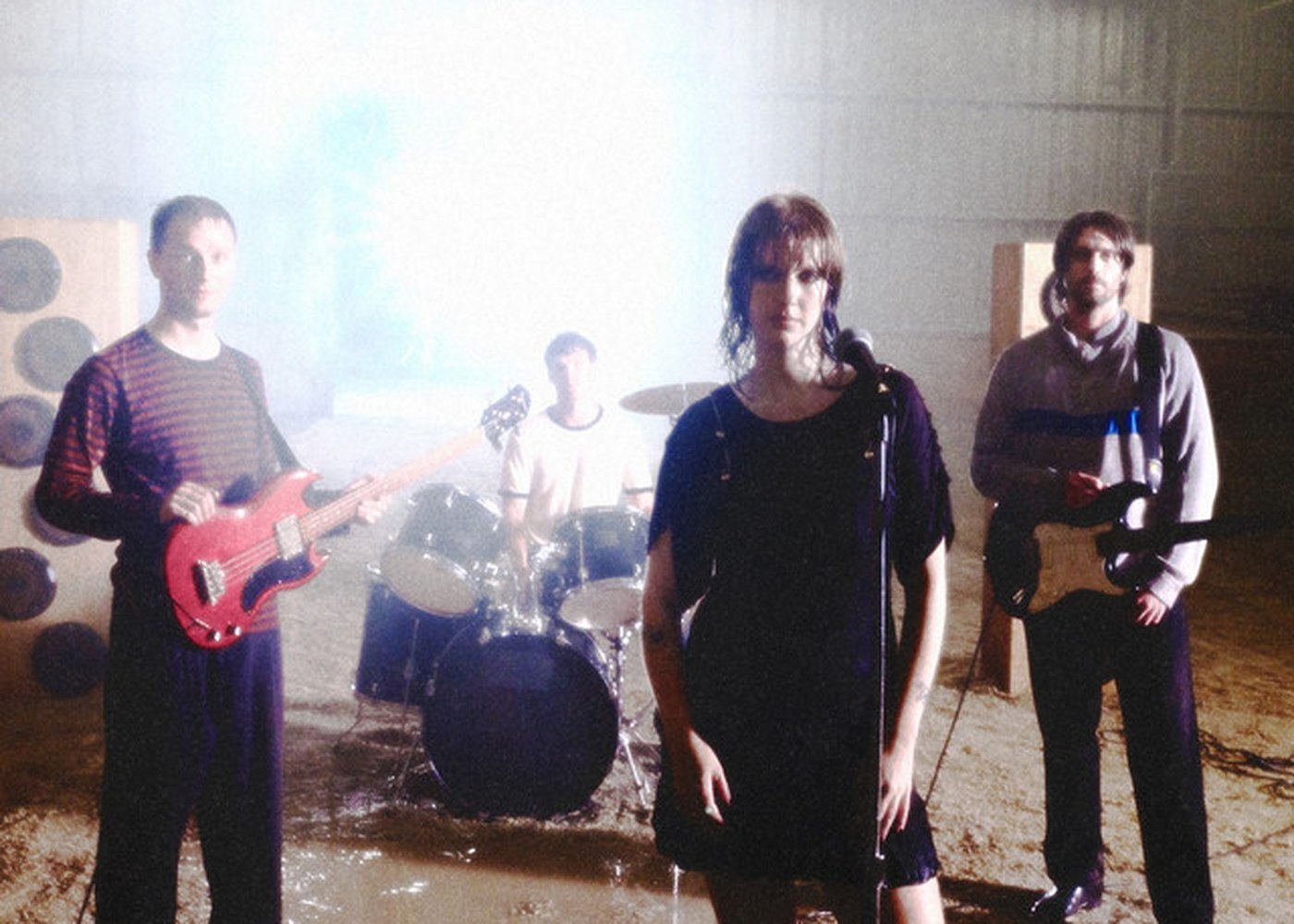
"Want to find out." Four words, repeated until the song fades. That phrase is the whole engine here, and the first time it lands, it sounds almost casual. By the tenth, it sounds desperate. The distance between those two is what "Spill" is actually about.
Eight Feet Up, Asking for Help
The song opens on a narrator who is off-kilter in a way they cannot fully explain. "Acting all upside down" is a phrase that knows its own imprecision, which is the point. When you're dissociating or burning out or just running on fumes, you don't always have the clinical vocabulary. You just know something is wrong with your angle on things.
"Are my feet above the ground / Like you said / Wanna be so good all by myself / But I need a little help / Again"
The narrator is quoting back a description someone else gave them. They're borrowing someone else's words to explain their own state. And then the pivot: wanting self-sufficiency, knowing it's not happening, landing on "again." That one word carries the exhaustion of a pattern the narrator has been in before. This isn't a new crisis. It's a recurring one.
The Chorus Is a Test, Not a Declaration
The chorus doesn't say "I love you." It asks to be told. That distinction matters more than it might seem at first pass.
"So could you tell me you love me? / Say it out, loud / Wanna find, out"
"Wanna find out" is the part that resists easy comfort. There's a thread of doubt woven into the ask. The narrator isn't just requesting reassurance. They're running a test. Maybe they already suspect the answer, or maybe they're testing themselves, checking whether hearing it said aloud will make any difference to how they feel. The chorus is softer than most confessions and more frightened than it sounds on first listen.
Whiting It Out
The second verse is weirder. The narrator admits to a coping habit they know isn't solving anything.
"Wait it out, it's my favorite little trick / Soon enough I know that it could pass by"
"Wait it out" is blunt. The narrator calls it their "favorite" trick with exactly zero pride in their voice. Favorite because it's familiar. And "it could pass by" is careful phrasing: not "it will pass," not even "it might pass," but "it could." The odds are left unspecified. The narrator knows this method works sometimes and fails other times, and they're in the middle of another round of it.
"I'm so sick of only seeing the half of it" is where I keep landing, though. That's the dissociation without the clinical label. Half-present, watching yourself from a distance, not fully inside your own life. The song doesn't dramatize this. It just names it and keeps moving, which is more honest than a breakdown would be.
What the Outro Actually Wants
The outro strips everything back to two lines and repeats them until the song fades out. "Say it out, loud / Wanna find, out." No verse to hide in, no new image to offer. Just the ask, looping.
That structure is the argument. The narrator hasn't resolved anything. The coping trick hasn't worked. The love hasn't been confirmed or denied. So the song does the only thing left: it keeps asking. The repetition stops feeling like emphasis and starts feeling like someone sitting with uncertainty, not because they've accepted it, but because they don't have another move.
You could hear the outro as surrender. You could also hear it as the most honest thing in the song, a narrator who has dropped every pretense of managing on their own and is just holding the question open. Whether the person on the other end answers is left completely unresolved, and the song seems to know that's the right place to stop.
Either way, what "Spill" keeps insisting on is that saying it out loud matters. The love might already exist. But for the narrator right now, unspoken doesn't count. The whole song is the gap between what's probably true and what hasn't been made real yet.
Lyric analysis powered by Scalpel.



Comments
Loading comments…