

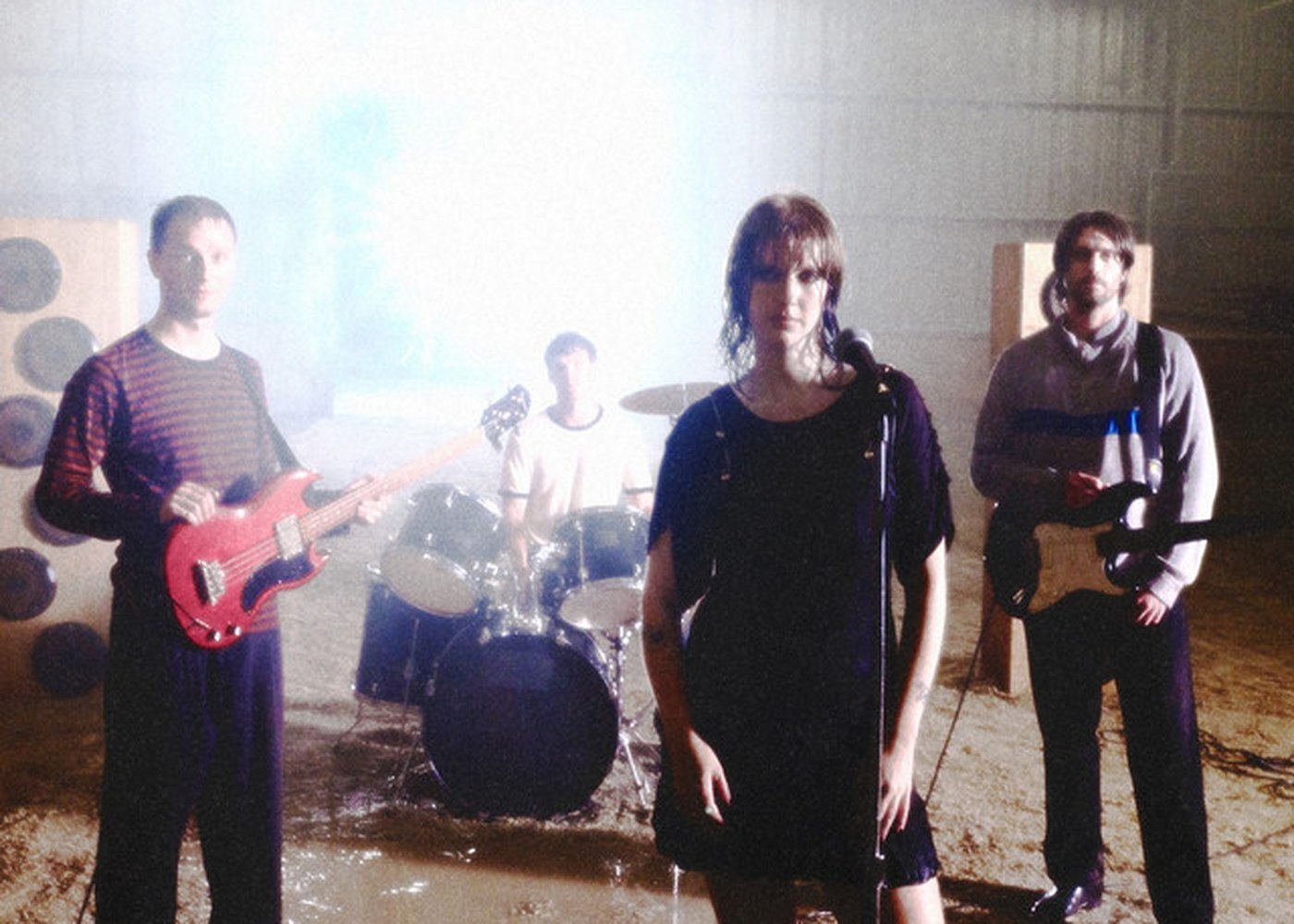
You know how some days you can almost trick yourself into thinking nothing has changed? You walk to the store, you go through the motions, and for a few minutes the weight lifts. Then something small catches you, a familiar street, a price that's gone up, a face that isn't there, and you're back. "Slip Away" lives in that gap between the forgetting and the remembering. The song's whole argument is that the relief is real, even when it's borrowed, and even when you already know what it costs.
Verse 1: The Choice That Started It
The song opens with consequence already in the room.
"I heard that there was hell to pay / But I still did it anyway"
Whatever happened, it wasn't an accident and wasn't done in ignorance. The narrator knew. They just decided the thing was worth doing, or maybe couldn't stop themselves even knowing. That distinction matters because the song never quite says which it is, and that ambiguity is exactly what makes the guilt stick around the way it does.
Then comes the walk to the hardware store. It's one of those details that tells you more than it explains: someone running an errand, doing the ordinary thing, while something large sits between them and the person they used to know. "I guess you don't know me anymore" floats in there almost offhand. But the narrator pushes back immediately, twice, with the same line: "I don't think I'd let myself do that." It's a refusal to accept the drift as permanent, but also a sign of how much energy it takes to hold that refusal together. You don't say something like that once and mean it. You say it until it holds.
The Chorus: What Slipping Away Actually Means
The chorus is deceptively short, but it does the most work in the song.
"And everything feels easy / When I forget that everything is different / When it's over / Then I slip away"
"Slip away" sounds like escape, like relief, and it is. But read closely, and it's describing the end of a thought, the moment when the forgetting runs out and reality reasserts itself. The ease only comes during the forgetting. Once that's over, the slipping away is what happens to the narrator, not what they choose. They get pulled under again. The chorus describes the brevity of that escape precisely, without dressing it up as anything more.
The line structure earns the emotional weight without announcing it: easy, forget, over, gone. Four beats and you're back where you started.
Verse 2: The Noise You Need
The second verse loosens the focus a little, and that's the point.
"Don't know what to do today / Afraid of all the things that I might say"
The narrator pulls back from the specific loss and settles into a more general paralysis. They're not sure what to do, not sure who to be around, and considering the option of being alone to sort it out. Which, honestly, fair enough. Sometimes that's the only move.
But then the couplet that stops you.
"I wish that they would quiet down / But I'm lonely when they're not around"
That's not a contradiction the narrator resolves. It just sits there, both things fully true at the same time. The noise is too much. The silence is worse. The line "I yell it through a megaphone" is a little absurd by design, and I think that's deliberate, a moment of self-aware comedy about how loudly and uselessly we sometimes declare our need for space. The narrator knows how it sounds. They're doing it anyway, which rhymes with the very first thing they told us about themselves.
There's a reading where this verse is about a relationship specifically, where "they" is a single person who fills a room. But it works just as well as a picture of anyone navigating the noise of people around them while being unable to stand the quiet. Both readings are available, and the song doesn't force your hand.
What the Song Is Really Doing
"Slip Away" makes a case for a very specific kind of coping: the controlled, temporary retreat into a version of your life where everything is still the same. The narrator doesn't claim this is healthy. They don't frame it as survival or strength. They just describe it with a precision that makes it feel like the only honest thing to say.
The past won't be forgotten, they tell us that early. "I won't forget the past / I don't think I'd let myself do that." So the slipping away holds no amnesia, and no denial exactly. It's more like a pause. A moment where the full weight of what's changed doesn't press down quite so hard. The song treats that pause as something necessary, maybe even something worth protecting, even as it shows you how quickly it ends.
By the time the chorus returns the second time, you already know the cycle. The forgetting happens. The ease comes. Then it's over. Then the slipping away. And then you're back, walking to the hardware store again, holding the line.
Frequently Asked Questions
What is "Slip Away" by Slow Pulp about?
"Slip Away" is about the temporary relief of forgetting that your life has changed, and the moment when that forgetting runs out and reality returns. The narrator made a choice they knew had consequences and is now navigating the distance it created, finding brief ease in losing awareness of how different things are before being pulled back.
What does "I heard that there was hell to pay / But I still did it anyway" mean in "Slip Away"?
The line establishes that the narrator acted with full knowledge of the fallout. Whatever choice set the song in motion was not impulsive ignorance; they were warned and proceeded regardless. The ambiguity of whether that was courage, compulsion, or recklessness is left unresolved, which is part of what keeps the guilt alive throughout the song.
What does "I wish that they would quiet down / But I'm lonely when they're not around" mean?
The couplet captures a contradiction the narrator doesn't try to fix: the presence of other people is overwhelming, but their absence is worse. It reflects a state of emotional dysregulation where no version of the situation feels manageable. The song presents both feelings as equally true and leaves them unresolved, which is the most honest thing it could do.
Lyric analysis powered by Scalpel.



Comments
Loading comments…