

Introduction
Dread dressed as tenderness
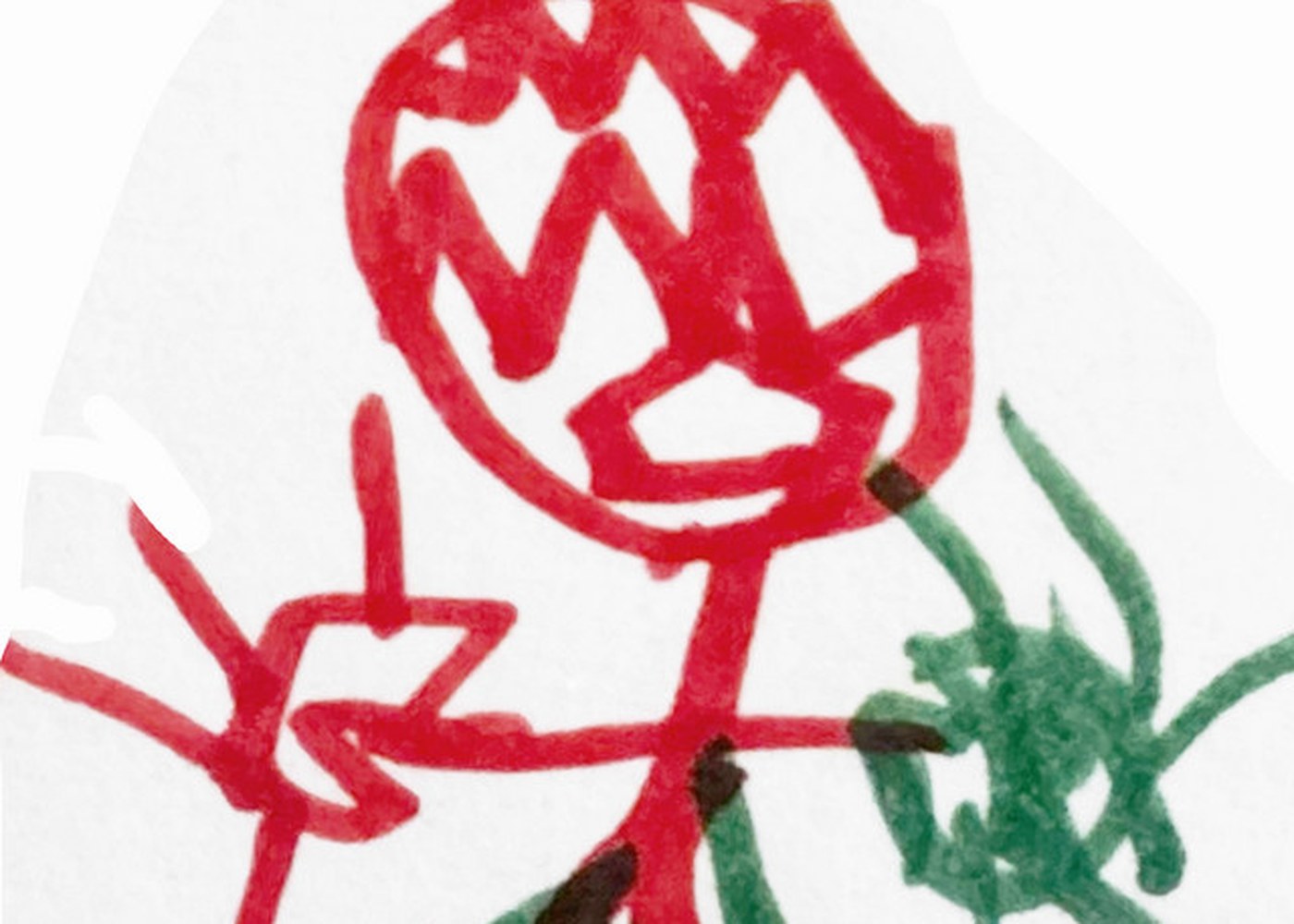
There's something uncomfortable about watching a baby and feeling existential panic. Quadeca leans into that discomfort without flinching. "Baby Steps" opens on a child who won't make eye contact, who won't eat, who keeps pointing outside, and what reads at first like cute toddler behavior slowly reveals itself as something heavier. The baby isn't just fussy. The baby is already sensing that the world ahead is a lot.
The emotional core here is inherited pressure. The question the whole song is quietly asking is: what does it mean to bring someone into a system that will immediately start making demands of them, without ever explaining why?
Verse 1
Resistance before language
The song opens with small, specific details. The baby won't wear his shoes. Won't meet anyone's gaze. These aren't dramatic gestures. They're the only forms of refusal available to someone who can't yet speak. But Quadeca frames even these tiny acts against something enormous.
"He's looking at the rest of his life"
That line lands heavier than it should for a verse about a toddler. The rest of his life. It's the kind of phrase you'd use in a courtroom, not a nursery. Quadeca puts it there on purpose, and the tension between those two registers is where the song lives.
Refrain
Wrong place, wrong time, forever
The refrain shifts perspective entirely, moving away from the baby and into a series of absurdist social scenarios. Showing up to a theater as the credits roll. Parking next to cops at a party that's already being shut down. Cracking a bomb joke at airport security. Each scenario lands the same way: you walked into something already in motion, and now you're on a list. Now you're accountable for the rest of your life.
"They're gonna ask a couple questions / Now you're looking at the rest of your life"
The refrain isn't random. It's showing how systems work. You don't have to do something catastrophic to get caught in consequences that feel permanent. Sometimes you just show up at the wrong moment. The baby didn't choose to be born into this either.
Verse 2
Curiosity meets the outside world
The second verse softens slightly. The baby is pointing outside now, trying to talk, asking questions. The energy shifts from resistance to wonder. But Quadeca doesn't let that wonder feel innocent for long. The baby is asking about the rest of his life, and nobody has a clean answer.
That gap between the child's curiosity and the world's inability to explain itself honestly is the quiet tragedy of the whole song. The kid is ready to engage. The world is not ready to be honest.
Chorus
Everyone multiplies, nobody explains
The chorus is where Quadeca names the pattern directly. People have children. That part happens constantly. But the "why" behind it is almost never spoken out loud.
"Everyone's down to multiply / But not everyone's gonna tell you why"
That's not cynicism about parenthood. It's frustration with the silence around it. Nobody pulls you aside before you're born and explains the rules, the expectations, the way systems will classify you, the way time will shrink. You're just placed into it. And then, as the chorus shifts at the end, everyone will be telling you about it for the rest of your life, whether they explained it at the start or not.
The line "I don't know what to do with it, yeah, we want it" is the most vulnerable moment in the song. Quadeca isn't outside this, judging from a distance. They're inside it, just as confused, just as implicated.
Verse 3
Time catches everyone
The third verse is the sharpest and most unsentimental. The baby's only real friend is the dog. The dog is getting old. And already, before this kid can even form a full sentence, someone is telling him to get a job.
"That baby better get a job / His life's already out of control"
The dark humor here is doing real work. The joke is that society's timeline for productivity starts almost immediately. The loss is that the dog, the one relationship the baby actually chose, won't last. Before the kid has figured anything out, he's already losing things and already being told he's behind.
Outro
The phrase won't let go
The outro loops the central image until it becomes almost hypnotic. "You're looking at the rest of your life" repeats in different configurations, shifting between threat and fact and something harder to name. Quadeca drops in one line that breaks the pattern completely.
"I love you, baby, I'm sorry, yeah"
That apology is the emotional center the whole song has been building toward. It's not dramatic. It's quiet and a little helpless. Sorry for bringing you here. Sorry the world works this way. Sorry I can't explain it any better than everyone else did.
Conclusion
No answer, just honesty
"Baby Steps" doesn't resolve the tension it builds. It doesn't offer comfort or a reframe. What it does is name something most people feel but rarely say out loud: that bringing new life into the world is an act of love tangled up with an act of implication, and that the systems waiting for that child have no interest in slowing down. The baby pointing outside, the dog getting old, the apology in the outro. Quadeca lines these up and lets them sit together without forcing a meaning. Sometimes the most honest thing you can do is say you don't know why either.

Comments
Loading comments…