

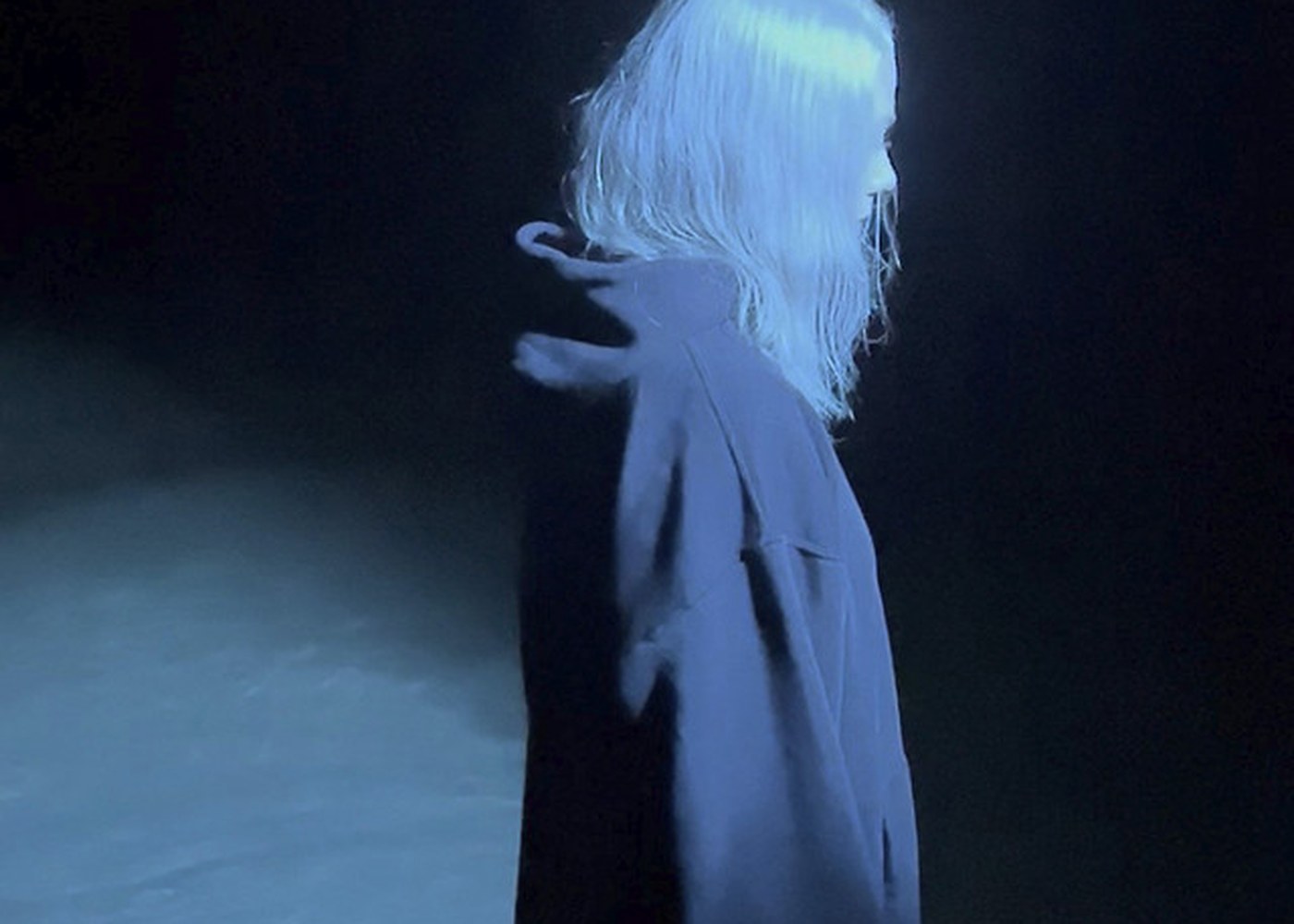
"Life In The Dark" is about someone shut indoors, too scared to pull a curtain aside while heretics burn in the square outside. All they want is to see someone again in the house where they were both born. The final chorus moves that meeting to when the angels blow their horn. The narrator has accepted it will only happen after death.
Introduction
A bluebird grinding corn and a mob burning heretics share the same few minutes of this song, and somehow neither one sounds out of place. That should be impossible, a nursery rhyme and a public execution under one roof, but the narrator of "Life In The Dark" lives in a head where both are equally far away. They are hiding from a world that is literally on fire, and every bit of their tenderness goes to a person and a place they cannot reach. By the last chorus they stop pretending they ever will, at least not on this side of the grave.
Verses 1 and 2: the curtain stays shut
The opening verse gives you a room and a piece of cloth, and the cloth wins. The narrator has "often tried" to push the curtain aside, which is a strange thing to say about a curtain, since it takes one hand and no skill, and the admission that follows is stranger still.
"I've often tried to push the curtain aside / But I don't know how"
Nobody forgets how to open a curtain. What the narrator has lost is the nerve, or the reason, and calling it a lack of know-how turns a choice into a disability, which is a very human move at three in the afternoon with the blinds down and the phone face-down on the bed.
Verse 2 tightens the room. They bury their head to muffle a cough, a sound made to go unheard, and they keep expecting a knock: "Tonight, we're bound to be caught." Who "we" is never gets settled, maybe the household, maybe the "you" of the chorus, and the narrator can't say what they'd be caught for either. "I don't know why," they repeat. Hold onto that line.
The chorus: where the bluebirds grind their corn
Then the chorus throws the windows open, at least in the imagination. The narrator wants to see "you" in two places, and only one of them could appear on a map.
"I'd love to see you / Where the bluebirds grind their corn"
Bluebirds don't grind corn. Grinding takes a millstone and a farmer to turn it, and in this picture there's no farmer, just birds doing the work, the sort of image you'd find stitched on a pillow or sung to a kid on the edge of sleep. It's a farmyard out of a storybook, a place where chores happen by themselves and nobody ever has to go out and face anyone.
The second place sounds more real and is probably further away: "that old house where we were born." Two people born in the same house makes "you" family, a sibling most likely, and the phrasing carries the past tense of a building that may not be standing anymore. Put the lines together and the chorus is a longing for childhood dressed up as a travel plan. The narrator can't open a curtain, yet they want to cross the country.
The fire in the square, and the crowd they can't join
The third verse finally tells you what's outside, and it's worse than anything the narrator was hinting at.
"The''re burning the heretics again / It's awfully bright, all the infamous night"
That "again" gives it away: this is routine. And "awfully bright" sounds almost like someone grumbling about a neighbor's porch light. The only real light this song ever gets comes from people burning in the street, which turns the title inside out, because living in the dark becomes the narrator's way of refusing to see by that light.
Now go back to Verse 2. The narrator didn't know why they'd be caught, didn't know why they were afraid, and the reason has been blazing in the square below the whole time. Heretics get burned, and someone hiding at home, smothering their own cough, waiting for a knock, sounds a lot like someone whose beliefs wouldn't survive a public hearing. The repeated "I don't know why" is the sound of a person who knows exactly why and has decided not to say it out loud, even to themselves.
Verse 4 goes the other direction, into a dream that's lovely right up until you notice one word.
"The lonely crowd, singing together aloud"
The narrator dreams of a world without war, people singing verses of love and peace, and the utopia is a crowd, the exact thing they're hiding from a few lines earlier. Then "lonely" slips in uninvited. Even in the fantasy, togetherness comes with isolation sewn into it, a mass of people who are each, somehow, as alone as the narrator is. I think it's the most honest line in the song, because it admits the dark room tags along into every dream of leaving it. The crowd sings. The narrator still isn't in it.
Sorrow through the floorboards
"Sorrow seeps through the floor / It covers me as waters cover the sea"
Sorrow rises from below like groundwater or smoke, so even the floor, the last solid thing in the room, lets it through. And the simile folds in on itself: water covering the sea is just the sea, which means the grief doesn't sit on top of the narrator so much as make them up. They add, once more, "I don't know why." By now you know better.
Verse 6 and the last chorus: from where to when
Then the song does something generous. After five verses of "I," it turns to "we," and the narrator's private dread becomes everyone's condition.
"We fall in love, and we die / But we don't know when"
It's all over in the blink of an eye, laughing and crying and loving and dying, and for the first time the not-knowing is honest. Nobody knows when. The narrator's personal "I don't know why" dissolves into a universal one, and there's real relief in that, the relief of hearing that the thing you were ashamed of is simply part of being alive.
And then the chorus changes one line, which is all it needs to change.
"I'd love to see you / When the angels blow their horn"
The bluebirds are gone. "Where" has become "when," and "when" turns out to be the Last Judgment, the trumpet that ends the world. The meeting has stopped being a trip and become a deadline at the end of time, which is the narrator's way of admitting the reunion won't happen in this life. The old house survives the edit, still standing in the final line, so the destination stays put while the date slides past death.
You can hear this as faith instead, a believer calmly certain of heaven, and the song's gentleness gives that reading real room. But it arrives right after "we don't know when," from someone who couldn't manage a curtain, and to me it sounds like a person choosing the one appointment they can't possibly miss. They've stopped planning.
Conclusion
So the bluebirds and the bonfire fit together after all. Both are things the narrator will only ever look at from a distance, one through a closed curtain and one through the haze of childhood, and the song's tenderness lives in the gap between the room and everything outside it. The final chorus gives up on crossing that gap while the narrator is alive and keeps the wish anyway, which is sadder and more loyal than letting it go. Some people go home for the holidays. This narrator is saving the trip for the end of the world.
Frequently Asked Questions
What is "Life In The Dark" by Phoebe Bridgers about?
The song follows a narrator hiding indoors, too afraid to open the curtain, while heretics are burned in the square outside. They long to see a loved one again in the house where both were born. By the final chorus, that reunion is set for when the angels blow their horn, meaning after death.
What does "where the bluebirds grind their corn" mean in "Life In The Dark"?
Birds can't grind corn, so the line paints a storybook farmyard where the chores do themselves and no one has to face the outside world. It stands for childhood safety and home, and its impossibility shows how far the narrator's longing sits from any real place.
Why does the last chorus of "Life In The Dark" change to "when the angels blow their horn"?
The swap moves the reunion from a place to a time, and that time is the Last Judgment. It signals that the narrator no longer expects to see the person in this life. The meeting in the old house is postponed until the end of the world.
Lyric analysis powered by Scalpel.



Comments
Loading comments…