

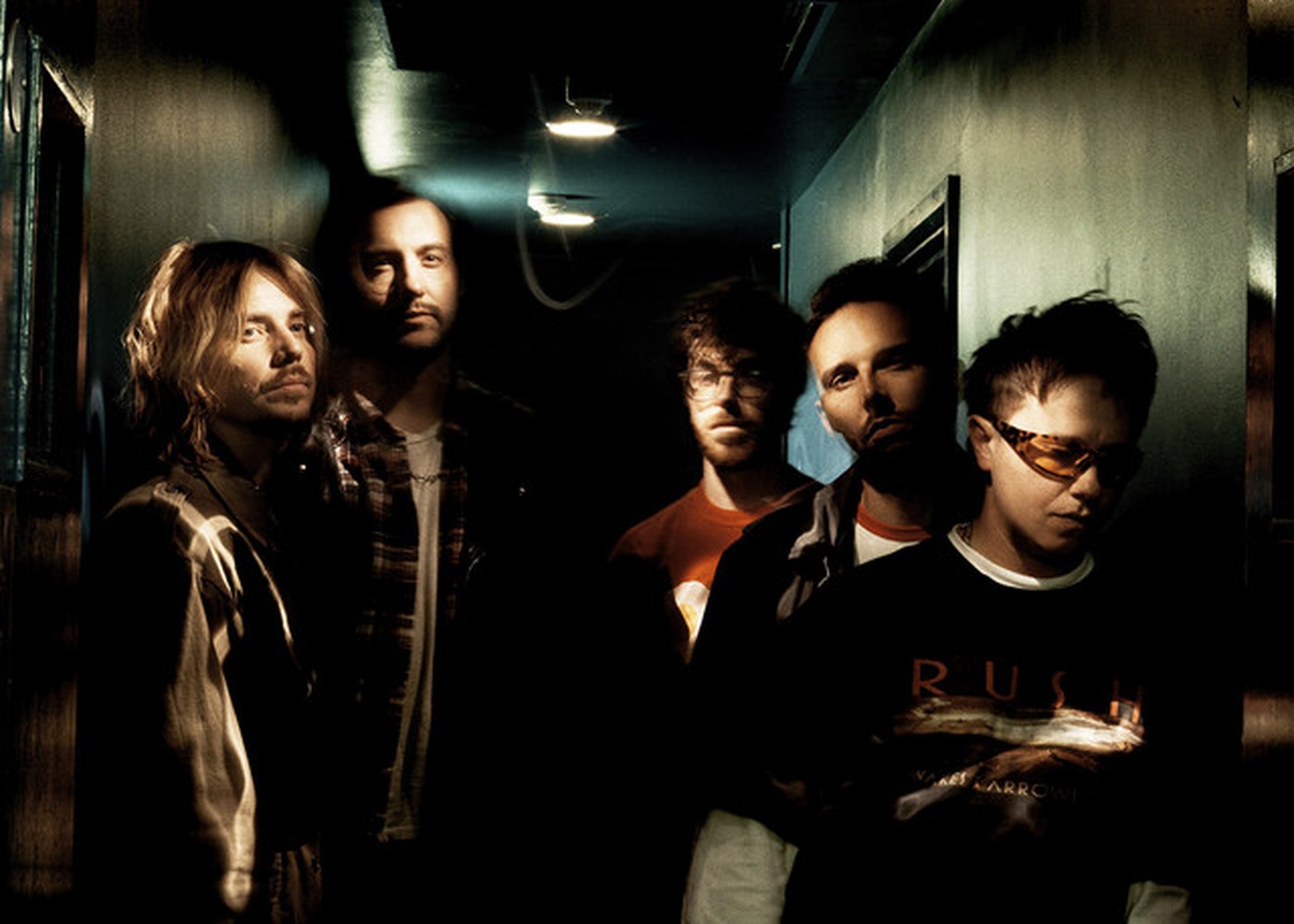
"#5" by Nothing But Thieves is a relationship song that breaks its own fourth wall. The narrator is writing the track while living through the crisis it describes, and the moment they name it - "while writing number five" - the song stops being a confession and becomes evidence. The self-interruption is the whole point: ambition turns intimacy into something you process later rather than protect now, and the song shows that happening in real time.
Most songs about the distance between a person and their relationship treat it as background. They establish the pain and move toward resolution. "#5" does something stranger: it names the distance as a byproduct of making the very song you are hearing. The narrator is not looking back on a hard period. They are inside one, holding a torch in one hand and a pen in the other, trying to convince themselves both can stay lit.
The opening verse sets the trap cleanly.
"Ambition on my mind, losin' time in the dissonance"
Dissonance is the right word, not metaphorically but structurally. Ambition and love want different things from time. Ambition needs it compressed, productive, spent. Love needs it loose, present, wasted in the good way. The narrator knows this. Knowing it does not help.
The chorus is where the song earns its emotional weight, and it earns it by doing something uncomfortable. Every promise in it is future-tense.
"The flame may have died, but I still hold the torch / We'll talk it over when I'm in New York"
When I'm in New York. Not now. Not today. The conversation is already being deferred to the next city, the next window in the schedule. The torch image is vivid and genuinely tender, but holding a torch is a solo act. You do it while the other person is not there. The chorus is full of devotion and full of postponement, and the song does not pretend those two things resolve cleanly.
The second verse shifts register in a way that stops you.
"Come and buy my love, got romance for hire / Pour my heart in glass, it's on the funeral rider"
A funeral rider is the list of specific requirements a performer needs before they take the stage. The image of a heart on a rider is the line I keep coming back to, because it does two things at once. It acknowledges that emotional vulnerability has become professionalized, packaged, delivered as part of the job. And it acknowledges the cost: something in it is dead, or near enough. The glass doesn't protect the heart. It just makes it visible while it sits there, waiting for the show.
The dry follow-up is worth noting. "It doesn't sound so bad." Sure.
What holds the whole song together is the moment in the chorus where the narrator catches themselves mid-composition.
"What a funny thing for me to realise / While writing number five"
This is not a charming aside. It is the song collapsing its own distance. The narrator realizes, while writing a song about neglecting a relationship for their career, that they are currently neglecting the relationship to write the song. The awareness does not break the cycle. It just names it, wryly, and keeps going. That is the sharpest thing in "#5": insight without exit.
The bridge adds one more layer before the song closes.
"We were friends before we were lovers / I wish we would remember that"
The wish is doing a lot of weight here. Not "I remember" but "I wish we would remember." Both people have drifted from the version of themselves that existed before the relationship became something to maintain. It is a reminder that what's at stake is not just romance but something older and probably more durable, if they can find their way back to it.
A fair counter-reading exists: some listeners will hear "#5" as genuinely hopeful, a narrator who is flawed but honest and actively trying. That read is defensible. The promises are real. The torch is still lit. But the song's structure keeps undermining the optimism it reaches for, and I think that tension is intentional rather than accidental.
What "#5" finally argues is that self-awareness, while useful, is not the same as change. The narrator sees the problem with unusual clarity. They can name it, time it, write a song about it in the middle of doing it. And the relationship is still on hold until New York. The song frames it as the specific condition of caring about two things that refuse to share space - neither failure nor triumph, just that.
Frequently Asked Questions
What is "#5" by Nothing But Thieves about?
"#5" is about the tension between creative ambition and romantic commitment. The narrator is on the road, aware that their career is pulling them away from a relationship they still care about deeply, and the song captures that awareness in real time as they write the track itself.
What does "Pour my heart in glass, it's on the funeral rider" mean in "#5"?
A rider is a list of requirements a performer needs before going on stage. Putting their heart "on the funeral rider" means emotional vulnerability has become part of the professional package, delivered on demand as part of the job. The funeral part signals that something in this transaction has a cost, that the heart being offered is already grieving something.
What does "What a funny thing for me to realise while writing number five" mean?
Mid-composition, the narrator realises they are doing the very thing the song describes: choosing work over the relationship in real time. "Number five" is the song itself, the fifth track. The line lands as wry rather than triumphant because the insight catches the cycle on tape without stopping it.
Lyric analysis powered by Scalpel.




Comments
Loading comments…