

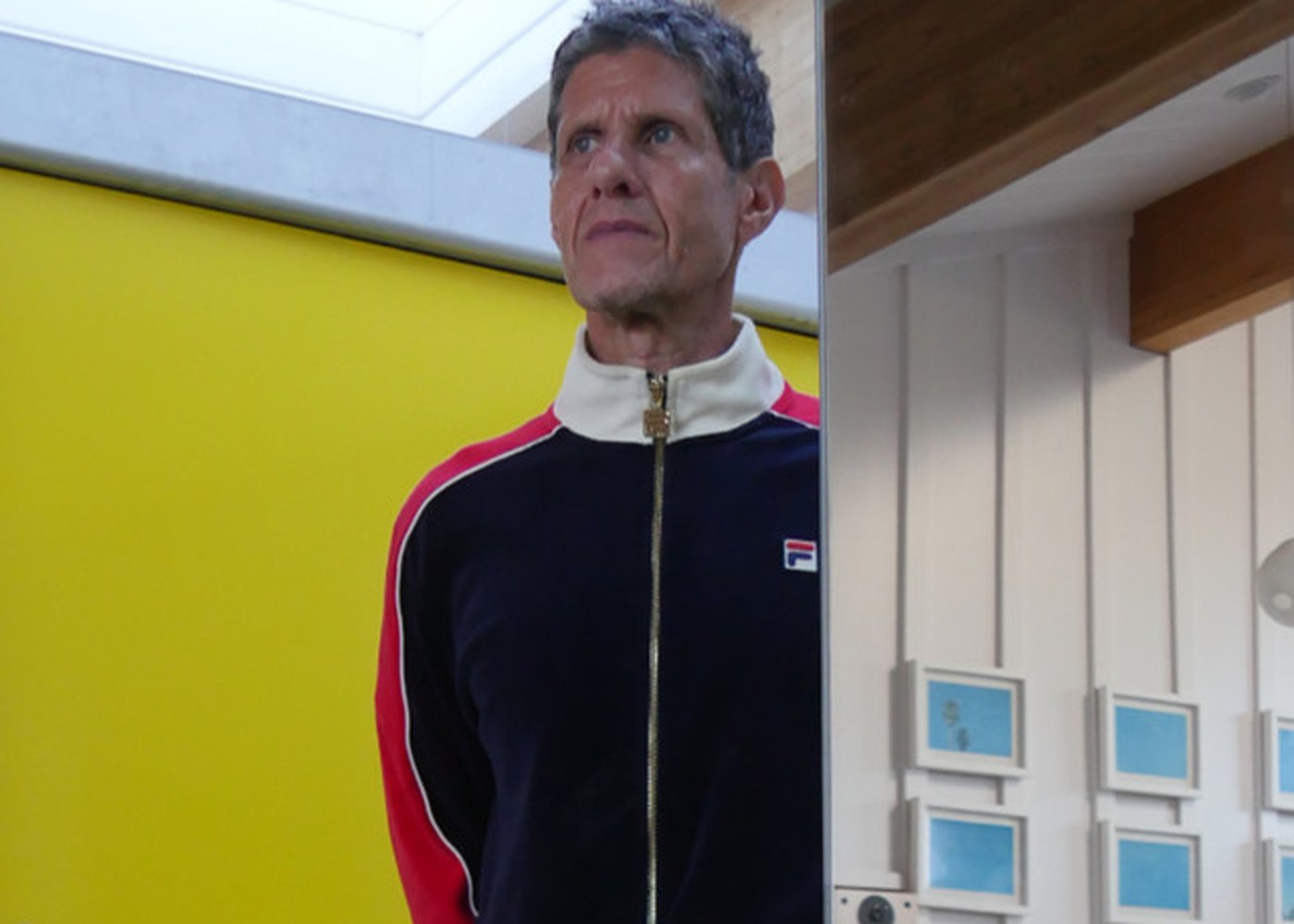
Most songs about wanting to escape the noise reach for drama. Mike D does the opposite. "Make It Stop" keeps its voice low, almost clinical, like someone sitting very still in a loud room and deciding that stillness itself is the move. The song's central claim is that all the cycling and restarting and rearranging we do means nothing until we actually pause long enough to feel what's driving it. That's it. That's the whole argument, and it's harder than it sounds.
Born Into the Loop
The opening lines don't waste time. We arrive, we name ourselves, we attach to people, we lie to each other and call it living. "Fool yourself fool each other" is not a condemnation. It's a shrug that doubles as a confession. The narrator isn't above any of it.
What follows is the diagnostic phase. "We always think otherwise / We don't seem to compromise" lands not as a political statement but as a behavioral one. We override our own instincts constantly, insisting the problem is out there, never under the hood. That phrase, "look under the hood check inside," is the engine of everything the song builds toward.
The Verse Where Perfection Gets Laughed Out of the Room
The second movement is weirder and looser. Mike D steps to the mic, names the static, admits the signal is buzzing, and then deflates the whole premise of perfectionism in about four bars. "Nothing's perfect, but you're fussing / Never perfect, redo something." It's almost casual. You keep redoing the thing because the thing will never be right, and somewhere in that loop you've mistaken motion for progress.
"Something still that I miss" closes this stretch without explaining itself. That restraint matters. The song doesn't tell you what's missing. It just holds the space open.
Novocaine and the Comma
The chorus is where the song earns its title. "Make it stop Novocaine" asks for numbness on purpose. Not oblivion. Numbness. The kind a dentist gives you so you can tolerate the work that actually needs to happen. Re-check, reflect, start again. The sequence only functions if you create silence first. Without the pause, the restart is just more noise wearing a fresh shirt.
And then the verse that follows delivers the most compressed argument in the song:
"We all come from trauma / We fill our worlds with drama / Need to pause like a comma / Bring back my Island Mano"
Three lines of diagnosis and then something personal cuts through the pattern. "Bring back my Island Mano" is the line I keep coming back to, because it refuses to stay abstract. In the middle of a song about universal behavioral loops, the narrator reaches for something specific and irretrievable. Island Mano reads as a person, a place, a version of the self that existed before all the static accumulated. You can't decode it from the outside and that's the point. The comma pause the lyrics prescribe is exactly where that line lives, a breath between the general and the deeply private.
But the next two lines pull you right back: "Can't move past the static / Always stuff stuck in the attic." The attic image is perfect because nobody goes up there voluntarily. It's where you put things you don't want to deal with and then forget you put them there until something falls on you.
"All Eyes Open We Feel Panic"
The eruption image, volcanic, is the one moment the song raises its voice. And even then it's described, not performed. The narrator stays level. That gap between describing panic and performing it is where Mike D's whole approach lives on this track. He's not inside the eruption. He's watching it, naming it, asking why it keeps happening.
"Can't see past what's inside / Until we realize" closes the verse by restating the original problem in its plainest form. The inside is the obstacle. The inside is also the only way through. You can argue that's a contradiction, and a reasonable reading of this song would say the whole thing is spinning in place, never quite landing on a solution. That reading has merit. The chorus does loop back to "start and start and start again" without ever confirming the starts are landing anywhere new.
What Stays Is Always Change
The outro lyric works because it refuses comfort. "What stays is always change" sounds like reassurance until you sit with it. If change is the constant, then nothing you rebuild is permanent either. The restarts the narrator keeps prescribing are themselves subject to the same entropy as everything else. You pause, you reflect, you begin again, and then that beginning becomes another thing that needs to be restarted.
The song ends there, on that loop, without flinching. No resolution. No earned peace. Just the honest observation that the pause itself is the practice, not the destination. The Novocaine doesn't cure anything. It gives you enough stillness to do the work. Whether you actually do it is left entirely up to you.
Frequently Asked Questions
What is "Make It Stop" by Mike D about?
"Make It Stop" is about the exhausting cycle of self-deception, avoidance, and repeated false starts that most people live inside without realizing it. The song argues that the only genuine reset requires first creating silence, represented by the Novocaine metaphor, so that real reflection can happen rather than more motion that mimics progress.
What does "Bring back my Island Mano" mean in "Make It Stop"?
"Island Mano" appears to be a personal reference to someone or something from the narrator's past, a person, a place, or an earlier version of the self that existed before the accumulated static and drama the rest of the song describes. The line breaks from the song's universal observations to insert something specific and irretrievable, which is exactly why it hits differently than the lines around it.
What does "Need to pause like a comma" mean in the song?
The comma image means a deliberate mid-sentence pause, not a full stop and not erasure, but a beat of stillness inside the ongoing sentence of your life. The song uses it to argue that the pause itself is the practice: without that intentional break in momentum, all the restarting and rearranging is just more noise. The comma is what makes the next clause mean something.
Lyric analysis powered by Scalpel.

Comments
Loading comments…