

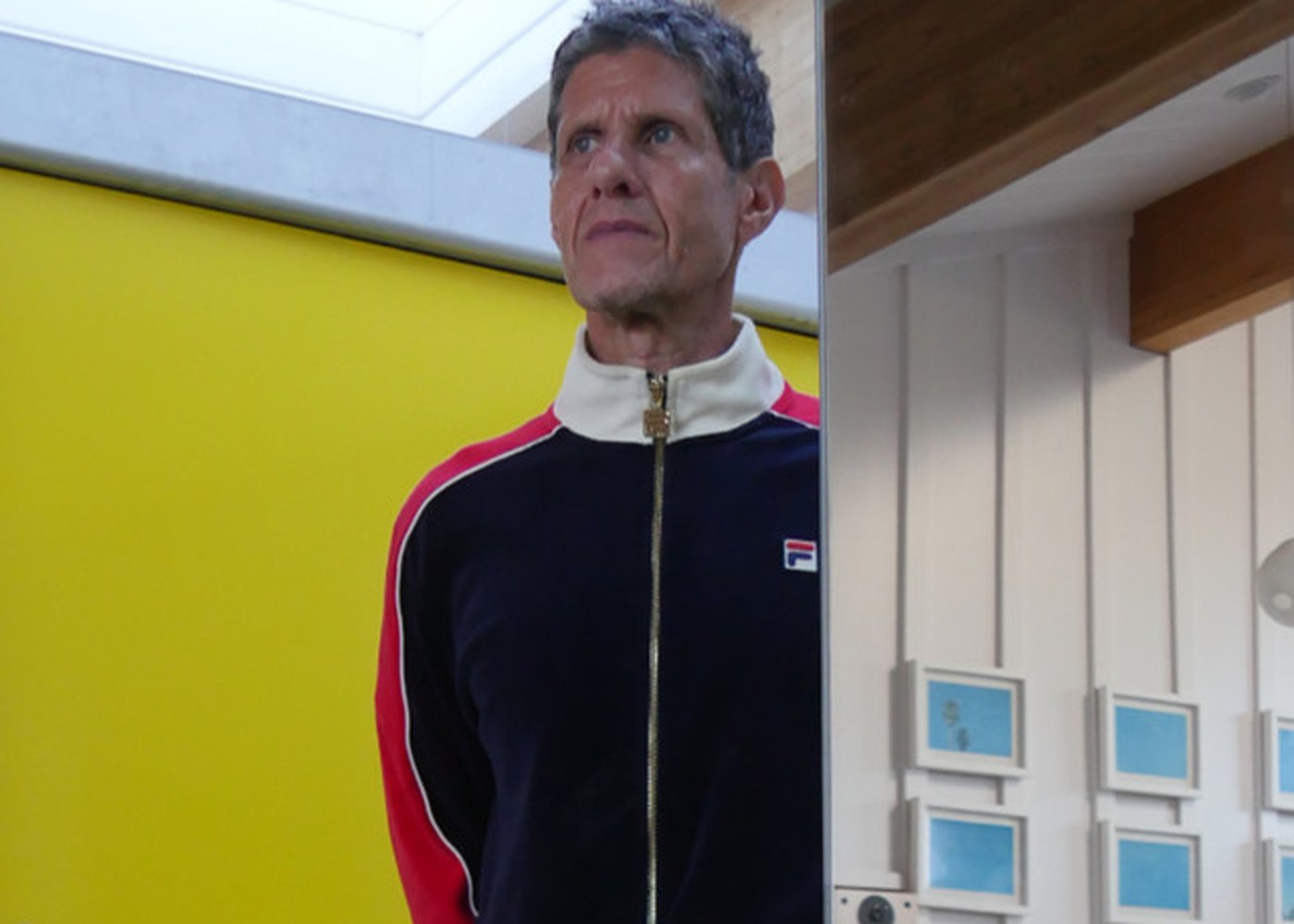
"Make It Stop" is a song about wanting relief and knowing relief won't come. That's the whole thing, stated plainly, and every lyric circles back to it.
Mike D builds the song around a contradiction most people feel but rarely name out loud: the desire to go numb and the knowledge that numbness doesn't actually solve anything. What makes this track work is that it doesn't pretend otherwise. It sits inside the tension and just keeps turning it over.
Born into it
The opening couplet is blunter than it first sounds.
"We're born then it's over / Take a name, take a lover"
That's compression, not nihilism. The narrator is saying life moves fast and fills itself with distraction, identities, relationships, roles we play before we've figured out who we actually are. "Fool yourself fool each other" follows immediately, and that line is the real gut punch because it doesn't assign blame. Both things happen at once, to everyone.
"Look under the hood check inside" is where the song tips its hand. The reckoning is self-directed from the jump.
The Novacaine problem
The chorus arrives like a confession that runs out of steam mid-sentence.
"Make it stop Novacaine / Re check reflect gotta gotta go to / Start again"
"Novacaine" is the key word here, and it's doing more than signaling pain. Novacaine numbs. It doesn't heal. The narrator wants the feeling to stop - a meaningfully different request than asking to be fixed, and a more honest one. Most people, when they hit a wall, don't want growth. They want the ache to go quiet for a minute. The song respects that.
But then the chorus pivots immediately to "reflect" and "start again," which undercuts the ask. Even in the moment of wanting numbness, the narrator knows the only way out is back through. That's the trap the whole song is set inside.
Trauma and the static that doesn't clear
The second verse is where the song gets genuinely uncomfortable.
"We all come from trauma / We fill our worlds with drama / Need to pause like a comma"
The "comma" line is the one I keep coming back to, because it's asking for a beat before the next clause rather than a period - continuation, not conclusion. That's a real and specific kind of survival instinct, and it's different from resolution.
"All eyes open we feel panic / Eruption all volcanic" reframes what the first verse called "checking inside." Looking inward isn't peaceful here. It's destabilizing. The stuff "stuck in the attic" doesn't come down gently when you go looking for it. The song earns its Novacaine imagery here, because by the time you've sat with what's up there, numbness sounds pretty reasonable.
(For what it's worth, "Bring back my Island Mano" is the one line that resists a clean reading without more context. It feels personal in a way the rest of the song doesn't, and I'm not going to pretend otherwise.)
What stays is always change
The most paradoxical line in the song gets buried inside the chorus, which is either a mistake or a very deliberate move.
"What stays is always change / Redo re arrange / Start and start and start again"
"What stays is always change" sounds like a fortune cookie until you sit with it. The narrator is saying the churn itself is the one reliable thing - not that change is good or that cycles are comforting. The "redo," "rearrange," "start again" repetition in the chorus isn't triumphant. It's exhausted. The narrator has been here before. They know this loop. And they're stepping into it again anyway, which is either the most human thing in the song or the most futile, depending on how you're feeling when you hear it.
A reasonable fan could read the whole track as genuinely hopeful, a kind of hard-won acceptance that starting over is available and worth doing. I think the song is too worn-out for that reading, but it's there if you want it.
The closing verse circles back to the same questions from the top, "Why do I always feel the pain?" echoing "Why is it always go like this" from earlier, and the return is the point. The song demonstrates the loop by living inside one rather than building to an answer.
What the song actually argues
"Make It Stop" lands as a portrait of someone self-aware enough to know exactly what they're doing and not quite able to stop doing it anyway. The Novacaine is a thing you say when you're tired, not a solution the narrator believes in. The "start again" is simply what happens next.
The song's real argument is that self-knowledge and self-correction are not the same thing, and the distance between them is where most people actually live. Mike D doesn't close that gap. He just maps it with enough precision that it feels less lonely.
Frequently Asked Questions
What is "Make It Stop" by Mike D about?
"Make It Stop" is about the gap between wanting to feel better and actually being able to change. The narrator craves relief, symbolized by Novacaine, but keeps returning to the same cycles of self-examination and restarting. The song argues that change is the only constant, but it frames that fact as exhausting rather than comforting.
What does "Make it stop Novacaine" mean in the lyrics?
Novacaine numbs pain without healing it, and that distinction is the whole point of the line. The narrator isn't asking to be fixed; they're asking for the feeling to go quiet temporarily. The chorus immediately follows with "reflect" and "start again," which undercuts the request and shows the narrator knows numbness isn't actually the answer.
What does "What stays is always change" mean?
The line is a paradox: the one reliable constant is that nothing holds still. The narrator uses it not as comfort but as acknowledgment that the cycle of redoing, rearranging, and starting again never fully ends. The repetition of "start and start and start again" around it makes the sentiment feel worn-out rather than triumphant.
Lyric analysis powered by Scalpel.


Comments
Loading comments…