

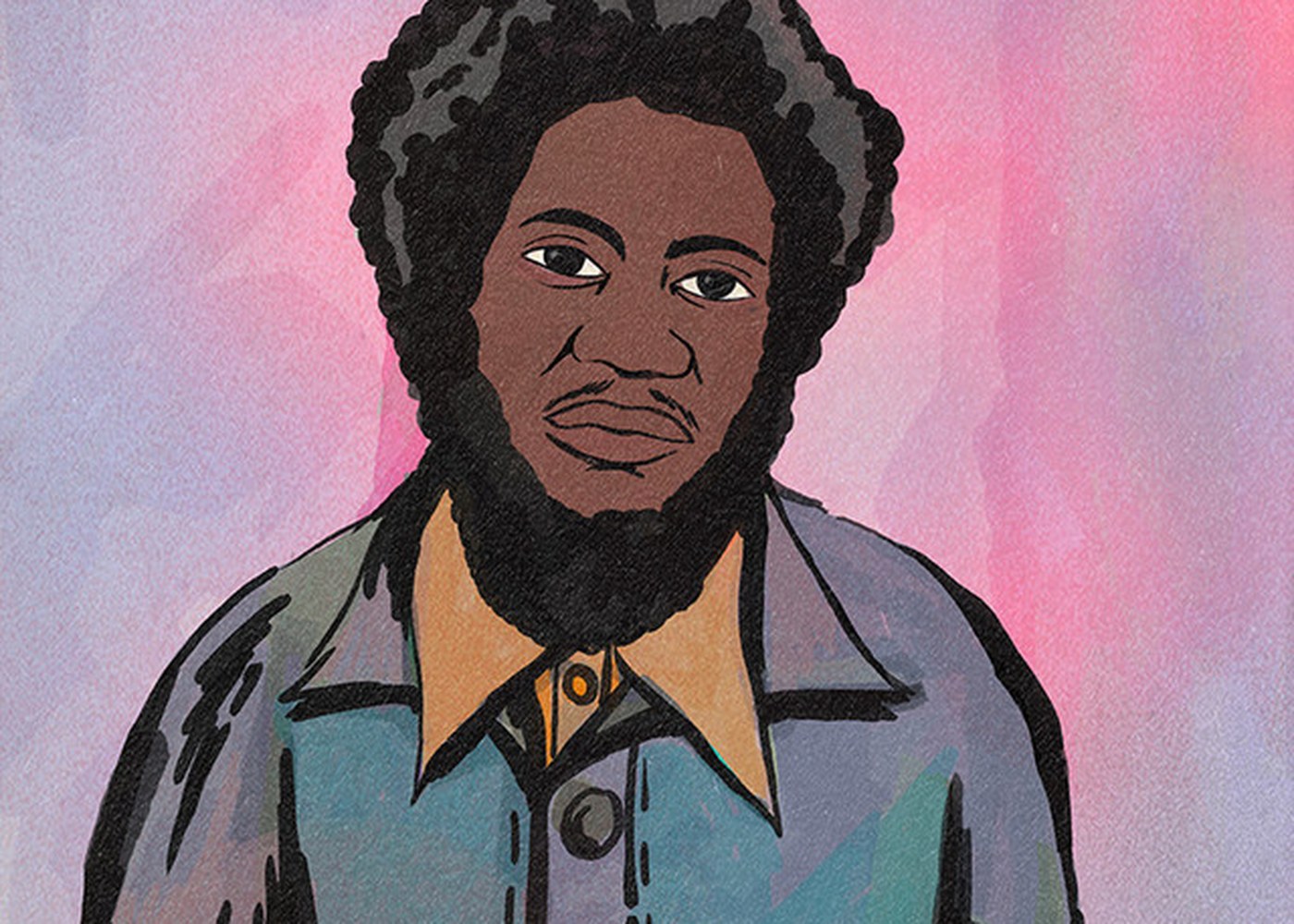
"Sing" is a love song sung by someone frightened of the love they are promising. The narrator claims to be "living unafraid," stands in the rain, swears never to leave, then asks for a promise right back. The danger in the song is silence: a couple putting everything "on the shelf." Singing is the one thing they can still do together.
Introduction
"Sing" is a vow of total devotion. It is also sung by someone who cannot stop flinching. Both things hold from the first verse to the last, and the song never asks you to pick one. Read closely, it tells the story of two people who have chosen to stay together and are scared that staying has turned into storing, and its answer to that fear is simple, almost childlike: open your mouth and make a sound together.
Verse 1: courage that comes from giving
The song opens tired. Miracles get requested like a cleaning product, something strong enough "to wash away the pain." Life is hard to live. Nothing fancy there.
Then comes the boast.
"I'm living unafraid because / I will give my love to you"
Look at where the courage comes from. The narrator feels brave because they will give love, with nothing said about getting any back. It is a generous kind of bravery, and a fragile one, because it depends entirely on the other person accepting what is handed over. Even that "Can you picture this?" sounds like someone trying to convince themselves as much as the listener.
The shelf and the singing
The chorus undoes the boast almost at once. "I couldn't live with anyone else" is loyalty. "Though sometimes it's bringing me down" is honesty. And then "I'm scared," two words from the same mouth that just claimed to be living unafraid.
"I'm scared we're putting it all on the shelf / We're nowhere if we never sing"
A shelf is where you put things you have stopped using. Nobody throws them out. They just sit there, kept and ignored. The fear in this chorus has nothing to do with a breakup. It is the slower fear of a love that stays in the house but goes silent, still owned and no longer played.
So "We're nowhere if we never sing" is the song's whole argument in one line. Singing is the active, audible version of love, the thing two people do out loud and at the same time. Without it, the narrator says, they have no location at all. They are not apart. They are nowhere, which is somehow worse.
The lone "Sing" that follows is slippery. It works as an instruction, a plea, or a name being called across a room, and the song never settles which. I like that it stays unresolved, because each repetition can be heard as a slightly different request.
Verse 2: washing in the rain
The second verse keeps reaching for water. Blue waterfalls wash away stains this time, and the narrator stands in the rain without calling it a cleansing, though it plainly is one. Meanwhile life is "hard to feel / Through cold fingertips," which is a body going numb, touch failing to register. The verse ends on "I need you, and you need me," the first time the need runs in both directions, and it lands as a relief after so much one-sided giving.
Verse 3: the price of knowing
Everything before this verse leans on "because." Pain needs washing because life is hard. The narrator is unafraid because they will give love. They stand in the rain because they need someone. Every claim arrives with its justification attached, like someone building a case.
Verse three drops the reasons.
"On and on and on it goes / It nearly took my life to know"
"On and on and on" carries the weariness of a long relationship, the cycle of hurting and mending that wore the narrator down in the chorus. Then the stakes jump to mortal. "It nearly took my life to know I will never leave your side" says that this certainty was paid for, and paid for dearly. The narrator did not arrive at loyalty through romance. They arrived there by nearly being destroyed, and the vow is what was left standing afterward.
A fair listener could hear "nearly took my life" as literal, a brush with death that made everything clear, and the lyric gives you room for that. The way it follows "on and on and on" points me toward the slow version, a life almost used up by the long grind of staying.
But the certainty does not survive its own breath. Right after swearing never to leave, the narrator asks:
"Please don't throw my love in the air / Promise me you'll always be there"
Love thrown in the air is a strange picture. It could be confetti, a ball, a coin toss. Whatever it is, something tossed up has been let go of, and the narrator dreads that their gift will be treated as a game or a gamble. The vow comes out strong, and the plea follows close behind it, which tells you exactly how sure this person really is.
The outro: two voices at once
The verses fall away entirely at the end. What remains is "Never alone," repeated until it stops sounding like a claim and starts working as comfort. A second voice slips in underneath with "Never goodbye," and for the first time the song does what its chorus asked for: two parts sounding together.
Conclusion
The narrator starts the song saying they are unafraid and spends the rest of it proving otherwise. The song never fixes that contradiction, and to my ear the fear is what makes the vow worth anything. Anyone can promise forever while feeling fearless. This person promises it scared, numb at the fingertips, standing in the rain, asking to be promised back. The cure the song offers is modest and physical: make a sound together before the love gathers dust. The doubled voices at the end are the answer to the shelf, two people still singing even after the verses have run out.
Frequently Asked Questions
What is "Sing" by Michael Kiwanuka about?
"Sing" is about a narrator who has committed to staying with someone and fears the relationship is going silent and stale. They swear never to leave, admit the love sometimes drags them down, and insist the couple must keep actively sharing it, which the song calls singing.
What does "We're nowhere if we never sing" mean?
The line follows the fear of "putting it all on the shelf," meaning a love that is kept but no longer used. Singing stands for the shared, out-loud expression of love, and without it the couple has no place to stand together at all.
What does "It nearly took my life to know I will never leave your side" mean?
The narrator says their loyalty was learned the hard way, through something that almost destroyed them. Coming right after "on and on and on it goes," it most naturally describes being worn down by a long, difficult relationship, though it can also be heard as a literal brush with death. Either way, the vow is immediately followed by a request for a promise in return, showing the certainty is still shaky.
Lyric analysis powered by Scalpel.


Comments
Loading comments…