

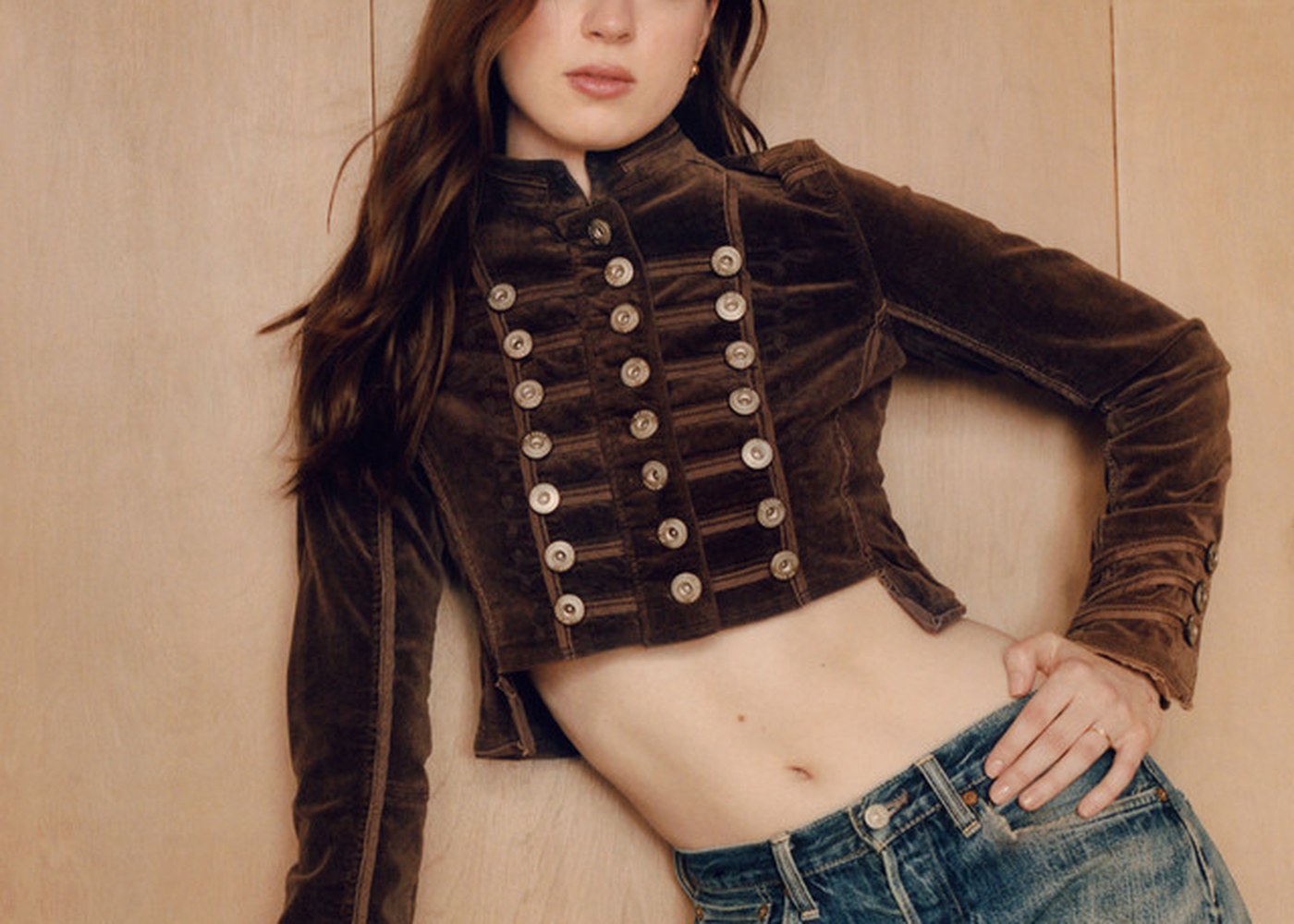
"Two elevens" is about what it feels like to end a love cleanly and still carry it. The narrator breaks up without bitterness, without blame, without a villain, and discovers that grace in a goodbye does not make it hurt less. The two elevens necklace worn in the final verse is the proof: even when you chose this, even when you kept your promise, you still reach for something to hold.
Introduction
A clean ending is its own kind of haunting. Most breakup songs give you someone to blame, something to burn down, a story where the pain has a source you can point at. "Two elevens" refuses all of that. The narrator left the relationship without anger, kept their word, and is not lying when they say they are fine. And yet the song exists, which means fine is not the same as over. The central argument of this lyric is that grief without resentment is still grief, and sometimes harder to name because there is nothing to push against.
Verse 1: two people holding the same memory from different angles
The first verse opens on an asymmetry that sets the whole emotional ground. "They called you first when the window opened" is placed directly against "He told me last that the vow was broken." First and last. Two people inside the same ending, each finding out in a different order, from different sources. The relationship did not collapse the same way for both of them.
What follows is a memory sequence that does exactly what long-distance grief does: the face surfaces before the feeling does. "I don't remember how it feels to kiss you / But I'd know the taste." That split is precise and almost unbearable in its honesty. The emotion is gone from reach but the body has not forgotten. The narrator is not performing loss. They are reporting what actually remains.
Verse 2: keeping your word and what that costs
The second verse is the song's moral center, and the line I keep coming back to is "I held my own and I kept my promise / Did exactly what I said I'd do." This is someone who held themselves together not because it was easy but because they decided to. The narrator's discipline here is not coldness. It is a form of love extended past the relationship's end, a refusal to blow it up on the way out.
"I'm not angry, and I'm being honest / You were doing what you had to"
No accusation. No retroactive rewriting of what happened. That kind of generosity toward an ex is genuinely rare, and the song does not treat it as easy or heroic. It just states it plainly, which is more affecting than any dramatic gesture would be.
The summer memory that closes the verse, linen sheets, a photograph still looked at, does something specific. The narrator does not return to the image for comfort exactly. They return to it "just to feel what I know." The picture is not proof the love was real. It is a tool for accessing a feeling that has otherwise gone somewhere the narrator cannot reach by will alone.
Chorus and bridge: the reckoning that refuses to punish anyone
The chorus is short, almost stark: "There was love once / There was fire / We had something / That's all that matters." Past tense all the way through. The narrator is archiving the relationship as something real that happened, insisting that its realness is enough. No asterisk, no qualifier, no "but." That matters.
The bridge then does something unexpected with the word "sorry."
"I don't blame you / I don't blame me / I am older / And I'm sorry"
Sorry for what, exactly? The lyric does not say. That gap is intentional. The apology is not for a specific wrong. It sits closer to a kind of tenderness toward the whole situation, a recognition that two people can handle something thoughtfully and still end up somewhere neither of them fully wanted. Getting older means understanding that outcomes can be correct and still be losses.
Verse 3: the window, the necklace, and what you choose to carry
The final verse mirrors the first, but the subject shifts. "They called you first" becomes "I called it first." The narrator was the one who saw the window open, who made the call, who ended it. "I can't be bitter 'cause I made my bed" is not self-pity. It is accountability without self-punishment. The narrator chose this.
And then the necklace appears.
"I wear the necklace with the two elevens / Like a promise that I won't forget"
Eleven eleven is the wish-time, the repeated number people treat as a portal or a sign. Two elevens on a necklace is a way of keeping that superstition close, of wearing a symbol that belongs to a particular person or a particular era of your life. The narrator wears it "like a promise" - deliberately, on purpose, as an act of respect for something that was real. The distinction matters enormously. Memory held with intention rather than as a trap.
The window opening and closing runs through the whole song as the image of timing: the moment a relationship becomes possible, and the moment it closes. In verse one, the window opened for someone else and the narrator found out last. In verse three, the narrator is the one who opened it and walked through it. The same image, opposite ends. The song uses it to show that neither person is the villain. Timing moved, people moved with it, and something ended that did not have to end badly to still end.
A fair reading from another angle: the apology in the bridge could belong to someone still grieving more than they admit. The composure throughout the song is so consistent it almost strains. Whether the narrator has truly arrived at peace, or is performing peace as a way of holding themselves together, the lyrics leave that question genuinely open.
Conclusion
"Two elevens" makes the case that the most honest thing you can do after a love ends is hold it plainly, without revision. No bitterness, no inflation, no pretending it was less than it was. The narrator does exactly that, and the song's ache comes from how much effort that kind of honesty actually takes. The necklace at the end is the physical form of a decision: to carry this, not as a wound, but as something that happened and mattered and shaped you. That is a harder place to arrive at than anger. The song knows it.
Frequently Asked Questions
What is "Two elevens" by Lizzy McAlpine about?
"Two elevens" is about ending a relationship without bitterness and discovering that a graceful goodbye still leaves something to carry. The narrator holds no anger toward their former partner, keeps every promise they made, and still finds themselves reaching for photographs and wearing a necklace to stay connected to a love they chose to leave. Grief without a villain is still grief.
What does the two elevens necklace mean in the song?
The two elevens necklace refers to 11:11, the repeated number traditionally treated as a moment to make a wish. Wearing it as a necklace turns that symbol into something worn close to the body every day. The narrator says they wear it "like a promise that I won't forget," meaning the necklace is about choosing, deliberately, to remember. It is memory held with intention rather than pain.
What does the window opening and closing mean in "Two elevens"?
The window is a recurring image for the timing of the relationship: when it became possible and when it closed. In the first verse, the window opened for the other person while the narrator was the last to know the relationship had ended. By the final verse, the roles have reversed and the narrator is the one who called it first and opened the window themselves. The image shows that neither person is the villain. Timing shifted, both people moved with it, and the ending was mutual even if it was not symmetrical.
Lyric analysis powered by Scalpel.



Comments
Loading comments…