

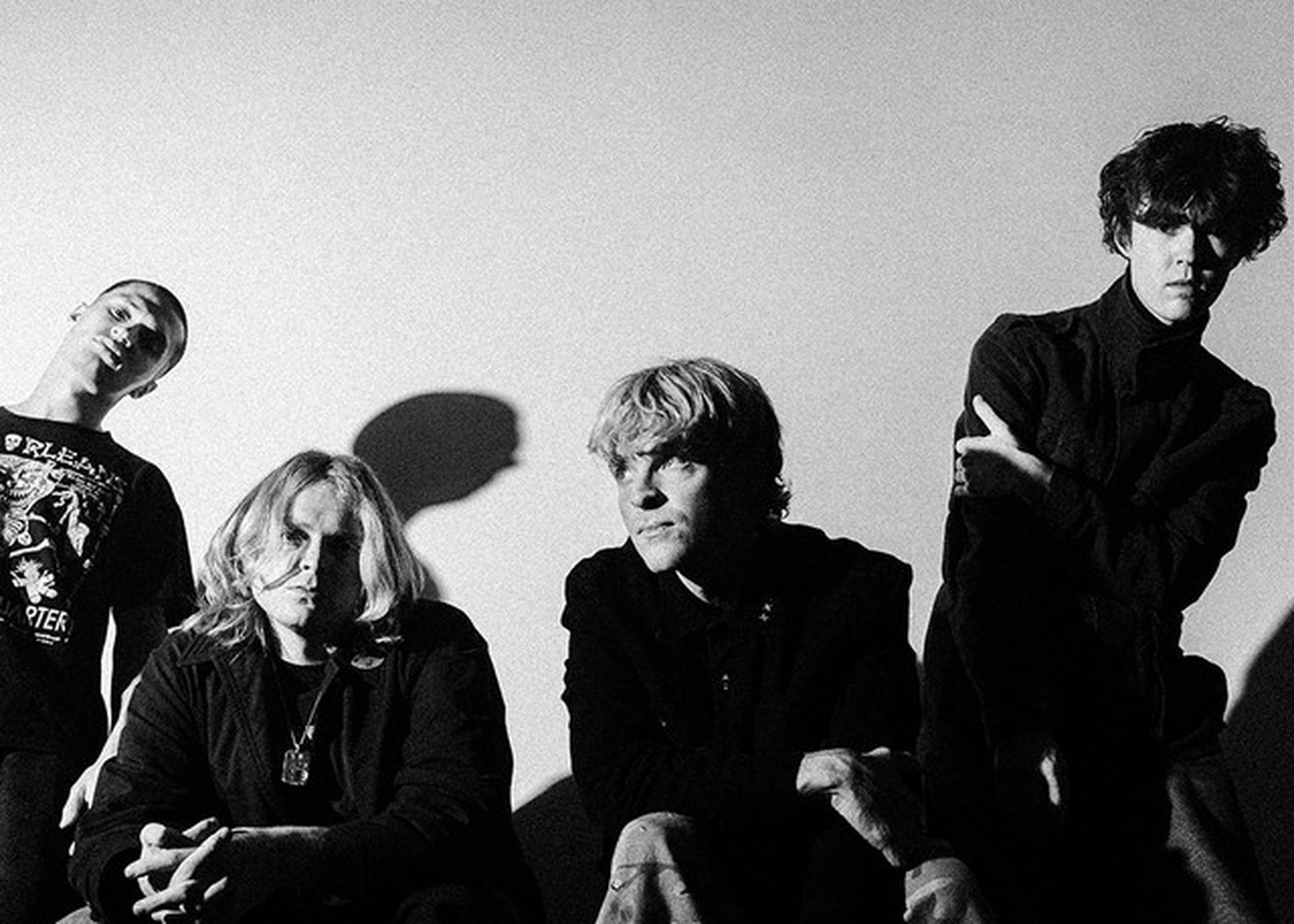
The wondering never stops. That's the first thing "Spent On You" makes clear. Before Keo names anything specific, the narrator is already stuck in the loop: I wonder if you're ever coming back. It's the kind of thought that doesn't arrive once; it cycles. And this song is about what happens when someone has been cycling that thought so long they've built a whole life around the empty space a person left behind.
The central claim of the song is blunter than it first sounds: the narrator didn't just miss someone. They changed for them, waited for them, and are only now reckon with the cost of that. "Spent On You" is a song about self-sacrifice that went unacknowledged, told from the inside of the ache it produced.
The Loop You Can't Get Out Of
Verse one sets up the trap with uncomfortable accuracy. The narrator only thinks about this person when they're sad, which means sadness and this person have fused into the same neural pathway. One produces the other. Then comes the line that makes verse two devastating by contrast: I remember every time you do. Right now, they still remember. They're still tracking returns, still holding the archive of every time this person showed back up.
By verse two, that has quietly caved in. I've forgotten how it feels when you do. That single shift is the song's first real punch. The waiting has gone on so long that even the reward of the thing they were waiting for has lost its texture. That's a different kind of loss than heartbreak. That's erosion.
And then the line the whole verse builds toward:
"Thought I'd never have to regret / Changing my life for you"
Sit with changing my life for you for a second. That's not "I loved you." That's structural. Decisions were made. Things were given up, altered, rerouted. The narrator bent the shape of their actual life around this person's presence, and now that presence is mostly absence, and the shape still holds. You can regret a feeling and move through it. Regretting a decision you made with your whole life is a different animal entirely.
The Dream Logic of the Chorus
The chorus is where the song goes slightly sideways in the best way. It doesn't land in grief or anger. It floats.
"If I could dance beside you / See you like my dreams"
There's longing here, but it's wrapped in conditional tense and dream imagery, which means the narrator is asking for something closer to a vision of them, an idealized proximity rather than the real person back. Dancing beside someone isn't holding them. It's being near them without colliding. The chorus has the emotional temperature of a daydream someone is half-ashamed to still be having.
The detail about wanting to surprise you with all the things I've seen does something interesting. It implies growth, experience, a self that has developed since this person was last present. The narrator has lived. They want to show that to someone who may never ask.
The Bridge: Where It All Comes Due
The bridge is the most compressed and the most devastating stretch of the whole song. Two lines carry everything:
"Years felt like days, trapped in a child's mind / Strangers came and went, all this time I've spent on you"
Years felt like days, trapped in a child's mind is the line I keep returning to, because it explains how someone ends up here. Time collapsed. The narrator was operating from a younger version of themselves, one who made a choice, maybe a naive one, and then time moved fast while they stood still inside that choice. "Trapped in a child's mind" is almost tender, an admission that they were not equipped for how long this would take, or what it would cost.
Then strangers came and went lands like a full accounting. Other people moved through the narrator's life and left no permanent mark, because the space was already claimed. All that time: spent. The repetition of I've spent on you isn't dramatic for effect. It's obsessive. It sounds like someone counting backward through years, arriving at the same answer every time.
The Outro and the Question That Stays Open
The outro pulls the threads back together, but it doesn't tie them off.
"Years came and went, all this time I've spent on you / I've spent all my life on you / I wonder if you're ever coming back"
The song ends exactly where it began: the wondering. The loop closes on itself. Which raises something the song deliberately refuses to answer: does the narrator actually want this person to come back, or have they been so long in the waiting that the waiting itself has become the relationship? I've spent all my life on you carries real grief, but it's also a kind of identity. When someone returns, who does the narrator become if not the person who waits?
A reasonable reading exists where this song is about recognizing, slowly and painfully, that you made yourself smaller for someone who was never going to show up and see it. That reading has weight too.
What the song offers on the way out is nothing so clean as comfort - no resolution, no anger that breaks clean, no decision made. Just the question, still open, after all that time spent.
Frequently Asked Questions
What is "Spent On You" by Keo about?
"Spent On You" is about the cost of waiting for someone who keeps leaving. The narrator realizes they changed their life around a person who rarely returned, and by the bridge, they're reckoning with the years lost to that cycle. The song ends without resolution, still wondering if the person will ever come back.
What does "Years felt like days, trapped in a child's mind" mean in "Spent On You"?
The line describes how time distorted for the narrator while they were stuck waiting. "Trapped in a child's mind" suggests they were operating from an earlier, more naive version of themselves, one who made a choice without understanding how long they'd be held inside it. Years passed quickly on the outside while they stayed frozen in the same emotional place.
What does "Changing my life for you" mean in the second verse of "Spent On You"?
The narrator confesses they restructured their actual life, not just their feelings, around this person. The regret in the line comes from realizing those real-world changes didn't produce the relationship they expected. It's the difference between missing someone and grieving a decision that cost you something concrete.
Lyric analysis powered by Scalpel.


Comments
Loading comments…