

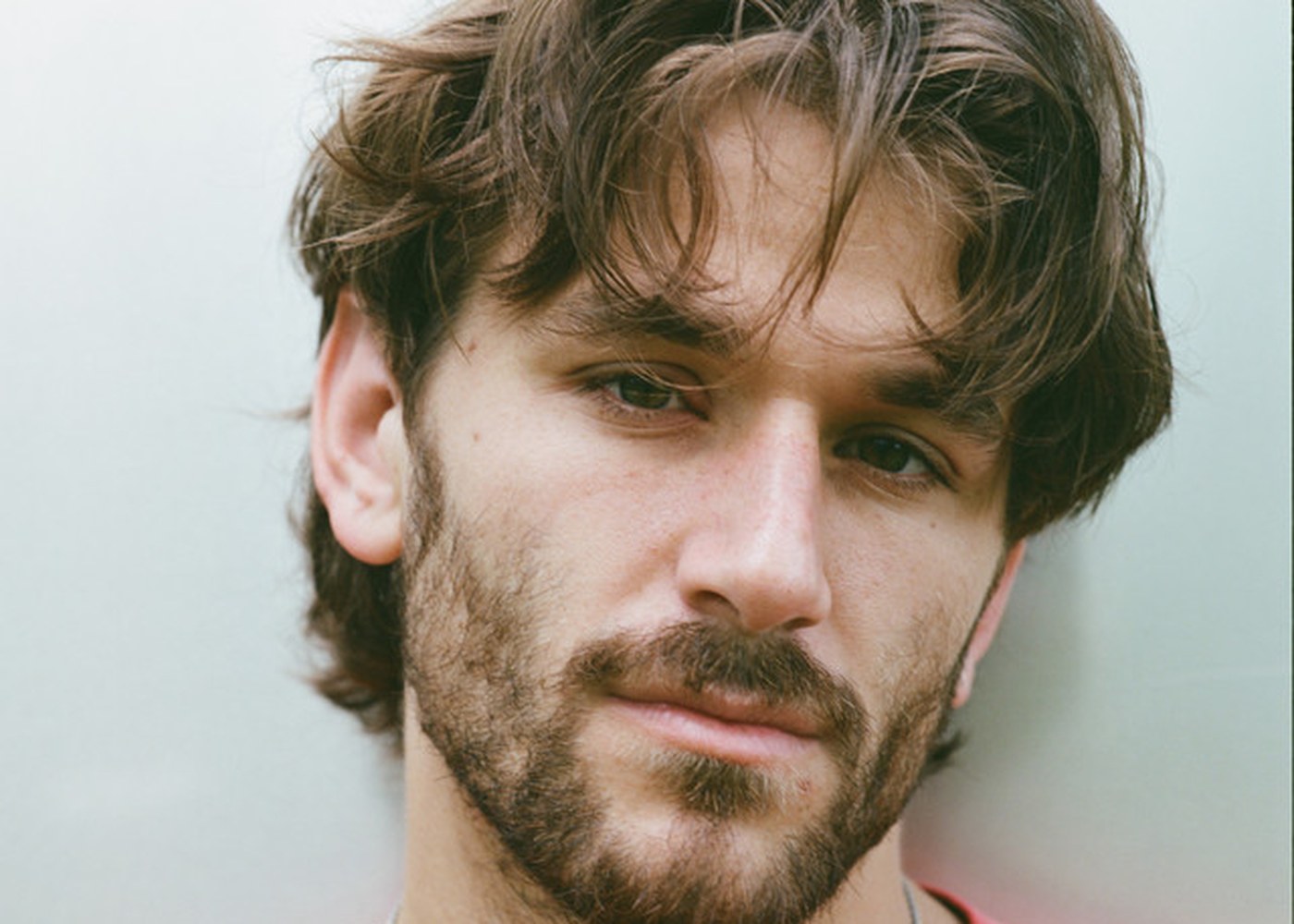
"Do Better" is about someone who stops waiting on a lover who won't try. Driving through Polson in spring with the windows down, the narrator sets a simple rule: if you really loved me, you'd act like it. The song measures love by effort alone, and by autumn the narrator has found that effort somewhere else, in a band and a crowd singing back.
Most songs about a lopsided relationship beg, bargain, or set something on fire. "Do Better" runs a calculation instead. It lays out a clean if-then, if you love me I'll be your best, if you don't I won't, and it does the math from the driver's seat with the radio up. The song argues that love you only say out loud counts for nothing, and the proof of wanting someone is how hard you try for them.
Start with how tired the narrator sounds. The first verse is a list of symptoms.
"I've been working too hard / You got way too much control of my heart"
Love shows up here as a drain. It's bad for the narrator's health. It's costing them themselves. And the hope on offer is almost funny in how literal it is: "waiting for a sign on the side of the highway." They're staring at road signs, half expecting one to say turn around. Meanwhile the other person "don't give a damn."
Then comes "bashful as I am," which is a strange thing to say right before handing someone an ultimatum. I love that contradiction. The narrator still thinks of themselves as the shy one, the one who doesn't make demands, and the song is about to watch them make one anyway.
But it's springtime in Polson. That single word "but" flips the whole mood. One second they're waiting by the highway, and the next they're driving it, windows down, air pouring in. Their song comes on and they announce "I'm a king now." The coronation lasts exactly one track, and that's the charm of it. Nothing about the relationship has changed. The narrator just got some wind in their face and a good song, and suddenly they can think straight.
What they think is the chorus, and the key couplet is blunt.
"'Cause if you wanted all that, wanted forever / Wanted me bad, you would do better"
Look at the verb. The lover would do better. The line skips right past whether this person feels enough and goes straight to what they'd be doing about it. "Forever" and "wanted me bad" are the big claims people make in love. The narrator's answer is simple: if those claims were true, you'd see it in the effort. You don't, so the claims are empty. "But you don't, so I won't" closes the deal with no drama at all, just a person matching energy.
The second verse gets weirder. It opens with "this ain't meant to be hard," which is funny coming from someone who started the song saying they've been working too hard. The narrator hasn't noticed they're the only one doing the work. Then comes the prettiest image in the song.
"And then falling turns into flying / And the rest of the world goes quiet"
That's what love is supposed to be. You choose to fall, you fall far, and at some point the drop becomes lift. Everything else fades out. The narrator knows this feeling well enough to describe it perfectly, which is exactly why the next lines sting. Instead of quiet, "this street is so loud," even though "there isn't much traffic on this side of town." The noise has no source outside their own head. The flying never happened, and the static where the quiet should be gives it away. I'll admit that loud empty street still resists me a little; it could also just be a lonely neighborhood that echoes. Either way, the body knows something's wrong, and the heart "has known all along."
Then the season turns again. "Now it's autumn, I'm with the band now / And we're singing to a big crowd." Months have passed and the verdict hasn't budged. What's new is the line after: "I know real love, got it right here."
Here's my bet on "right here": it points at the band and the crowd. These are people who show up, who sing with the narrator and back at them. That's love measured by effort, the exact standard the chorus set, and the narrator finally sees it standing on a stage instead of waiting by a highway. A fair fan could hear "right here" as a hand on the chest, the narrator choosing themselves. That reading works too. Either way, the love that counts is the kind that does something.
So the song starts with a person waiting for a sign and ends with a person who stopped needing one. Spring gave them the thought, autumn proved it held. And when the last chorus ends, there's no closing argument, no final plea to the person who didn't try. There's just "ooh," a sound you make when the decision is already made and there's nothing left to explain to anyone.
Frequently Asked Questions
What is "Do Better" by Jonah Kagen about?
The song follows a narrator worn out by a lover who claims to care but puts in no effort. While driving with the windows down, they decide that real love shows up as action, and if the other person won't try, they won't either.
What does "falling turns into flying and the rest of the world goes quiet" mean in "Do Better"?
It describes how love should feel when it works: you choose to fall, and the fall becomes lift while everything else fades out. The narrator follows it with a loud street that has almost no traffic, showing that the relationship never reached that calm.
What does "I know real love, got it right here" refer to in "Do Better"?
The line comes while the narrator is singing with a band to a big crowd, so it most likely points to those people, who show up and sing back. It can also be heard as the narrator pointing to themselves, finding love in their own life instead of waiting on someone who won't try.
Lyric analysis powered by Scalpel.


Comments
Loading comments…