

The Line That Opens Everything
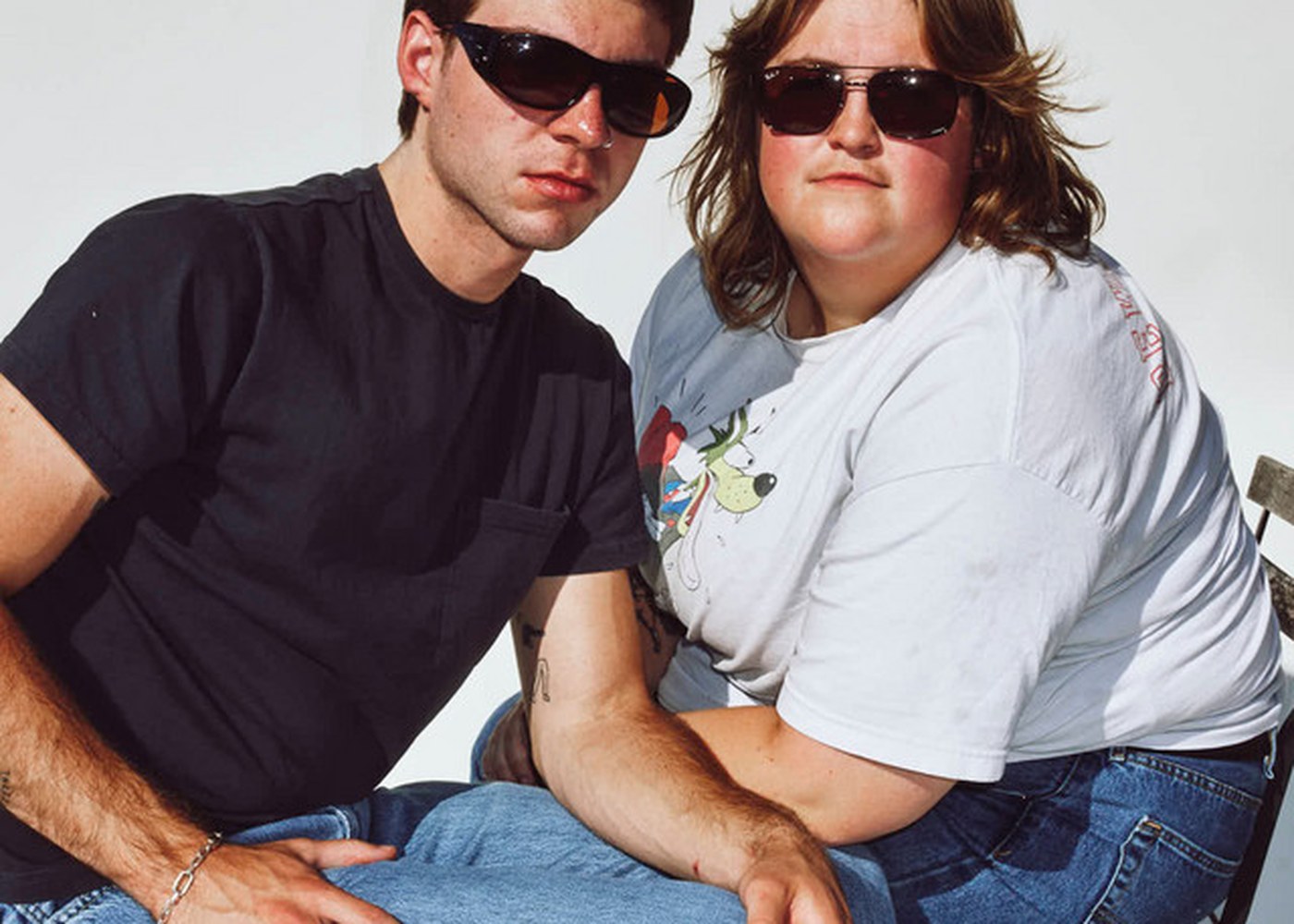
"And I would walk forever / just to see you next September." That is the song. Everything else orbits it. On the surface it sounds like devotion, the kind of thing you carve into a tree. But place it next to the sigh in the opening line, next to two people sitting close enough to touch and feeling the distance anyway, and the tenderness curdles a little. Walking forever to see someone next September means they are already gone in every way that counts. The distance being described is not geographical.
The verse does not announce this. It just lets the image sit there.
Verse 2: When the Verb Shifts
The second verse is weirder, and it matters that the change is almost invisible at first. "Would walk" becomes "will walk." That single word swap turns a hypothetical into a promise made in a graveyard. The narrator knows by now what the first verse was only starting to sense.
"And we've changed so entirely / that you no longer stand me"
No longer stand me. Not stopped loving, not grown apart. Can't stand. The feeling in that phrase is specific and brutal, the kind of contempt that builds so slowly neither person can name the exact moment it arrived. The narrator clocks it, accepts it, and in the same breath pledges to walk forever anyway. That is not nobility. That is someone holding onto the shape of a relationship after the feeling has left the building.
The Chorus and the Word That Cannot Land
"Don't say it now" does something interesting because it is aimed at someone, but you can feel the narrator also saying it to themselves. Two people standing at the edge of a conversation neither wants to start. The cloud image earns its keep here: facing the cloud means the ending is already visible on the horizon, just not yet spoken.
"Don't say it now, you'll never be proud / if it's over"
This is the song's real argument. Saying it out loud is framed as something the other person will regret, a pride-wound dressed up as a mercy. But that logic protects the narrator more than it protects anyone else. Keeping the word unspoken keeps the relationship technically alive. The chorus is not a plea for reconciliation. It is a stall tactic.
Worth saying, though: a generous reading of the chorus hears the narrator genuinely protecting the other person, not themselves. Someone could hold that reading and not be wrong. The lyrics leave the door open a crack.
Refrain to Outro: The Question That Breaks
The refrain is four lines and it does the whole emotional collapse in real time. "Please don't say it's over" becomes "is it over?" in the span of two lines. The shift from plea to question is the moment the narrator stops negotiating and starts just needing to know. Exhausted.
The outro strips it down to one repeated phrase: "Don't say it's over." No question mark this time, no conditional, no elaborate promise about walking forever. Just that. The song ends without the word being said, which is exactly the point. The ending has happened. Nobody said it. Nothing is resolved. The narrator is still walking.
What the Song Leaves You With
"Walk Forever" is a song about the space between knowing and saying, and it argues that the space is not a kindness. The narrator fills it with promises of impossible devotion, with warnings about pride, with questions dressed as pleas. All of it is a way of not saying the word. The song never delivers a clean break because clean breaks are not what this narrator gets. They get September. Hypothetically, eventually, maybe. Meanwhile they walk.
Lyric analysis powered by Scalpel.



Comments
Loading comments…