

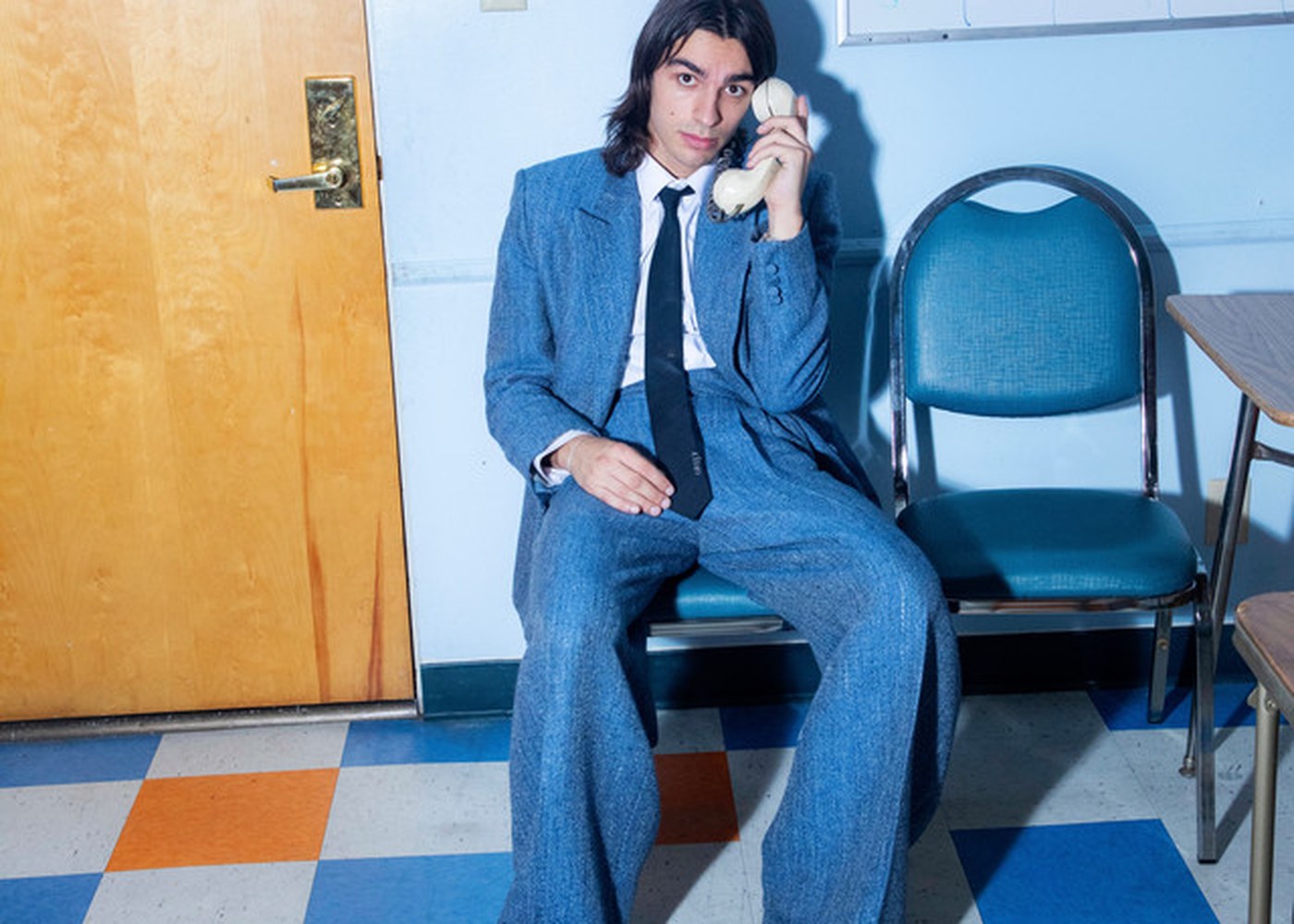
You put this on and the room temperature changes. Something about it makes you stop whatever you were doing and just sit with it for a minute. That's not an accident. "HOLD ME" is built to catch you.
The central ache of this song is deceptively simple: the narrator wants to be held. Not chased, not chosen dramatically, not loved loudly. Just held. Kept warm. And the person who could do that keeps not quite doing it. That gap, between what the narrator is offering and what they're getting back, is where the whole song lives.
Working Hard, Getting Warm
The first verse sets the scene without overexplaining it. "Lord knows I work so hard" opens things with exhaustion, and not the kind you complain about. The kind you just carry. Then someone calls their name and suddenly the whole register shifts.
"Hold me like you need me / Hold me in your arms and keep me warm"
The request is almost painfully simple. Not "love me forever" or "choose me." Just hold me like you mean it. There's something in the word "like" that does real emotional work here. The narrator wants to feel needed, not just present. That distinction matters.
"Everything feels so simple" follows, and you believe it. This is what the narrator is chasing: that specific feeling where life loses its weight for a few hours because someone is close to you. The whole song is a plea to get back to that feeling.
The East Side, Walking and Breathing
The chorus is where the song opens up physically. The narrator places themselves somewhere specific, out in the night air, moving through the city.
"Tonight I'm on the east side, baby / Walkin' and breathin'"
That detail of "walkin' and breathin'" is easy to slide past, but it's the loneliest line in the song. It's the bare minimum of being alive. Not thriving. Not okay, even. Just existing, out there somewhere, waiting for a yes. If you've ever been the one sending a late message and then just walking around your apartment trying not to check your phone, you know exactly what this sounds like at 2am with headphones in.
"Life could be so easy if you'd hold me" is a conclusion the narrator has already reached a hundred times. The conditionality of it, "could be," is everything. Not "will be." The door is still open. The other person just hasn't walked through it.
Verse 2: The Math Getting Worse
The second verse is where the situation gets more complicated, and also more honest. "You got a new distraction / Everybody wants your time." So this person isn't just busy. They're wanted elsewhere. The narrator knows it.
"Oh, but a love like this could take just all of mine"
That line is the real confession of the song. The narrator isn't naive about the imbalance. They see it. They're just willing to absorb it anyway. "This month has flown right by" and "I just need another night with you by my side" together paint someone who keeps pushing the math forward, converting lost time into future hope rather than present evidence.
"Wake up, call action" cuts in like a shake of the head. A moment of clarity. "I could really live this way" follows immediately, and it collapses the clarity back into longing before it can become a decision. The narrator talks themselves out of walking away in the space of two lines.
A reasonable reading of this song could hold that the narrator is fully at peace with the offer they're making, that the desire to give everything isn't conflict but contentment. I hear it differently. "I'm thinking just way too hard" feels like someone who knows, on some level, that the arithmetic doesn't balance, and chooses to keep going anyway. Not out of delusion, but because the warmth, when it comes, makes the rest feel worth it.
What the Chorus Gives Up
The second chorus quietly shifts one word. "Life could be so easy" becomes "life can be so easy." Could to can. The possibility tightening into something that almost feels like proof. The narrator has already lived the version of this where it works. That's what makes it so hard to let go.
By the end, the song hasn't moved toward resolution. The narrator is still on the east side, still walking, still asking. What changes is the weight of the asking. It accumulates. Each repetition of "hold me" feels a little more urgent, a little more worn in. Not desperate, just real.
"HOLD ME" makes its argument gently: that wanting to be held by the right person, even when that person hasn't fully shown up yet, is its own kind of endurance. The narrator isn't broken by the waiting. They're sustained by the possibility. Whether that's hope or self-deception, greek leaves that entirely up to you.
Lyric analysis powered by Scalpel.



Comments
Loading comments…