

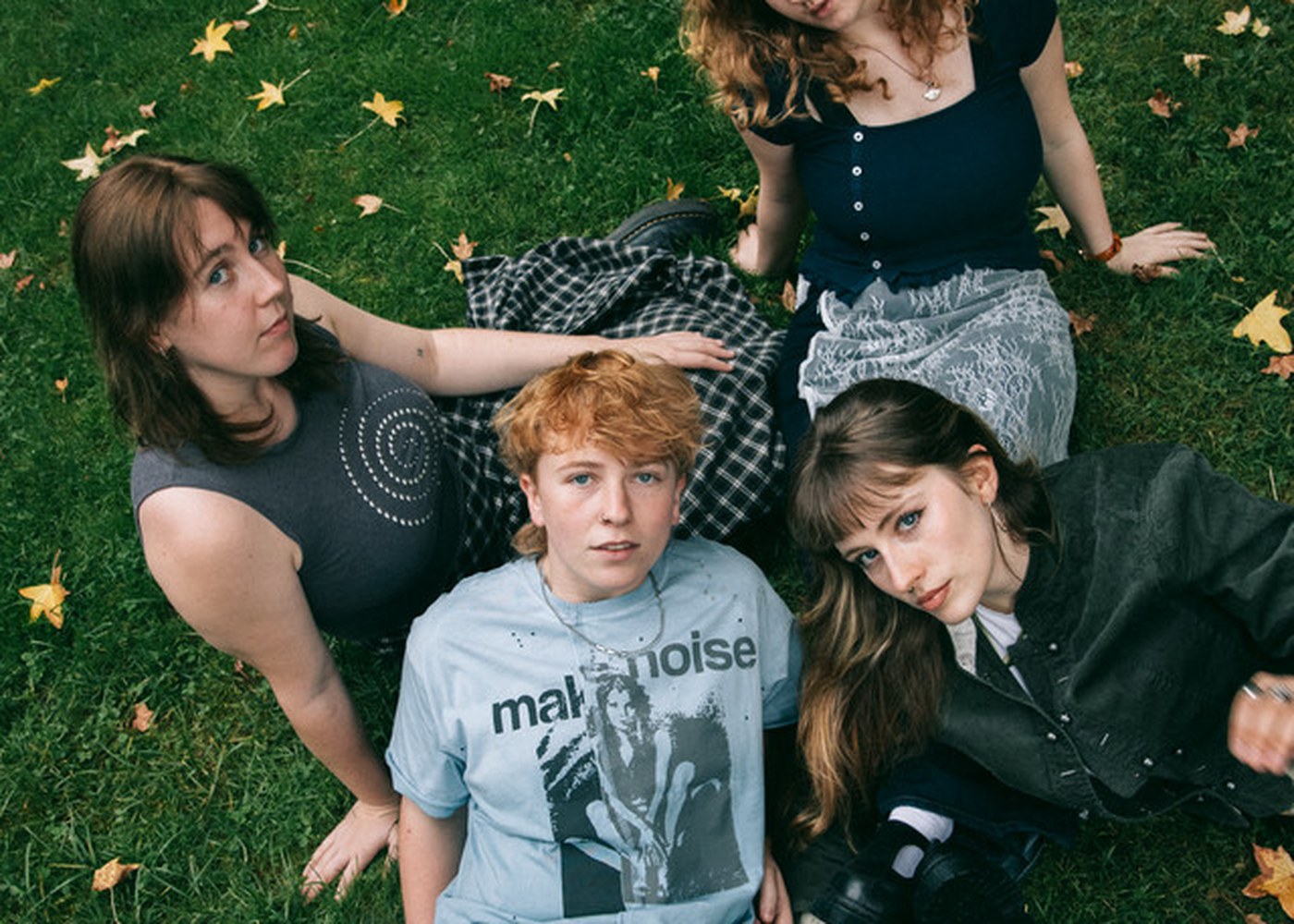
"Wish Upon You" is about someone who tried to stay quiet in love, failed, and decided the failure was the best thing they ever did. The narrator wishes upon their partner the way you'd wish on a star, even 'til the sky's in drought. By the end, the song picks saying too much over keeping the glass safe.
Introduction
Hands pinned under thighs. Breath held. The narrator is waiting, doing everything right, and then the mouth opens and the words are out. The rest of the song asks whether that was a mistake, and the answer, by the final chorus, is a dizzy, steady no: blurting it out is how this person finally got it right.
Verse 1: a restraint that lasts one line
Sitting on your hands is the oldest homemade restraint there is. Here it holds for exactly one line.
"Oh, I'm sittin' on my hands, I'm waitin' around / There goes me, I've opened my mouth"
"There goes me" is such a good phrase. The narrator watches themself leave the building, like waving at your own runaway self from the porch. Then comes the wince: "Why'd you do that? Why'd you say that? Why?" I hear it as self-scolding, the voice in your head the second after you hit send. It sets the stakes for everything after. The words are out, and the narrator has to decide what to feel about it.
What "wish upon you" really means
You wish upon a star. The narrator swaps the star for a person. That one swap changes the whole relationship: the beloved is no longer the thing being wished for, they are the thing being wished on, the source of the luck itself.
"Now I wish upon you, only seein' in two"
"Only seein' in two" carries both meanings at once. Everything now comes in pairs. There's also a hint of seeing double, a little drunk on it. Then the pre-chorus offers the one scene the narrator loves without any doubt: "I love the silence when we share the same room." Which is funny, coming from someone who just admitted they can't stop talking. What they want is the calm on the other side of all those words.
The chorus gets stranger. The wishing runs "'Til it all falls down / And the sky's in drought," and only after the world has dried up and collapsed does the narrator wonder "how I ever went without / You." Most wishes come with a hedge, a quiet backup plan if the star doesn't deliver, but this one keeps going straight through the end of the weather, the end of the sky, the end of everything, and treats that as a fair price. Love gets measured by what it outlasts.
Verse 2 and the horses on the run
The mouth that opened in verse one won't close now. "I'm singin' only words for you," the narrator says, and calls it "a sickness that I can't quite figure out." Nobody in the song sounds eager to recover.
"And I'd change every tire until you retire your car"
Most love songs promise the moon. This one offers roadside assistance. The pun is sly, but the image is sincere: devotion pictured as greasy, repeated chores, done again and again until the car itself gives out. Right after, the plainest line in the song: "It's your heart my heart wants."
Then the second chorus swaps the collapsing sky for motion.
"You keep me callin' / You keep the horses on the run"
So why keep the horses on the run? The lyric never says whose horses, or what they're fleeing. My read: they belong to the narrator. They're the galloping pulse that verse one tried to sit on, and the other person keeps them moving instead of letting them settle in the stable. It pairs with "keep me callin'." Running horses usually mean escape, but nobody leaves in this song. The horses just never calm down, and the narrator sounds grateful for it.
The bridge: half a self and the unbroken glass
The bridge names the fear that's been under everything.
"And I don't do well when I'm half myself / Tell me, what am I cryin' for?"
Sitting on your hands is being half yourself. That's the trap verse one set, and the tears show the narrator finally feeling it. Then comes the safety logic: "The glass won't break if I keep it safe / And my feet won't bleed on the floor." Sensible. Careful. Bare feet stay clean.
Here's my argument. That couplet is the old hands-sitting plan in new clothes, and the narrator is talking themself out of it. Look at what every other line in the song does: opens its mouth, keeps calling, sings only for one person, wishes right through a drought. The whole track is the sound of risking the glass. Keeping it safe means staying half yourself, and the narrator has just told us how badly that goes.
A fan could hear that glass couplet as a sincere vow instead, a promise to handle this love gently so nobody gets cut. The song is tender enough to hold that reading. But it doesn't explain what comes next.
"Yeah, it's one plus one, such a simple sum / And I got it right with you"
A sum only works if you put both numbers in. You can't add yourself while sitting on your hands. Even the line before it, hoping the other person chooses them "'til the day is as dark as the night," circles back to the chorus, wishing toward sameness and darkness without flinching. Then the last chorus folds the pre-chorus underneath: "Now I wish upon you" humming under "You keep the horses on the run." The wishing and the certainty finally play at the same time. The narrator is sure, and still wishing anyway.
Conclusion
The song started with a wince over saying too much. It ends with the same person saying everything, on purpose, layered over itself. The glass is still in the room. The narrator just stopped guarding it, and found out the floor was fine.
Frequently Asked Questions
What is "Wish Upon You" by Florence Road about?
It's about someone who tries to hold back their feelings, blurts them out anyway, and comes to see that slip as the right call. The narrator treats their partner like a wishing star and ends the song certain they "got it right."
What does "wish upon you" mean in the song?
It borrows the structure of wishing upon a star and puts a person in the star's place. The partner becomes the source of the narrator's luck, and the wishing continues even "'til it all falls down / And the sky's in drought."
What does "You keep the horses on the run" mean?
The lyric never says whose horses they are, but they read best as the narrator's racing heart. The partner keeps those feelings galloping instead of letting them settle, much like "You keep me callin'," and the narrator welcomes it.
Lyric analysis powered by Scalpel.


Comments
Loading comments…