

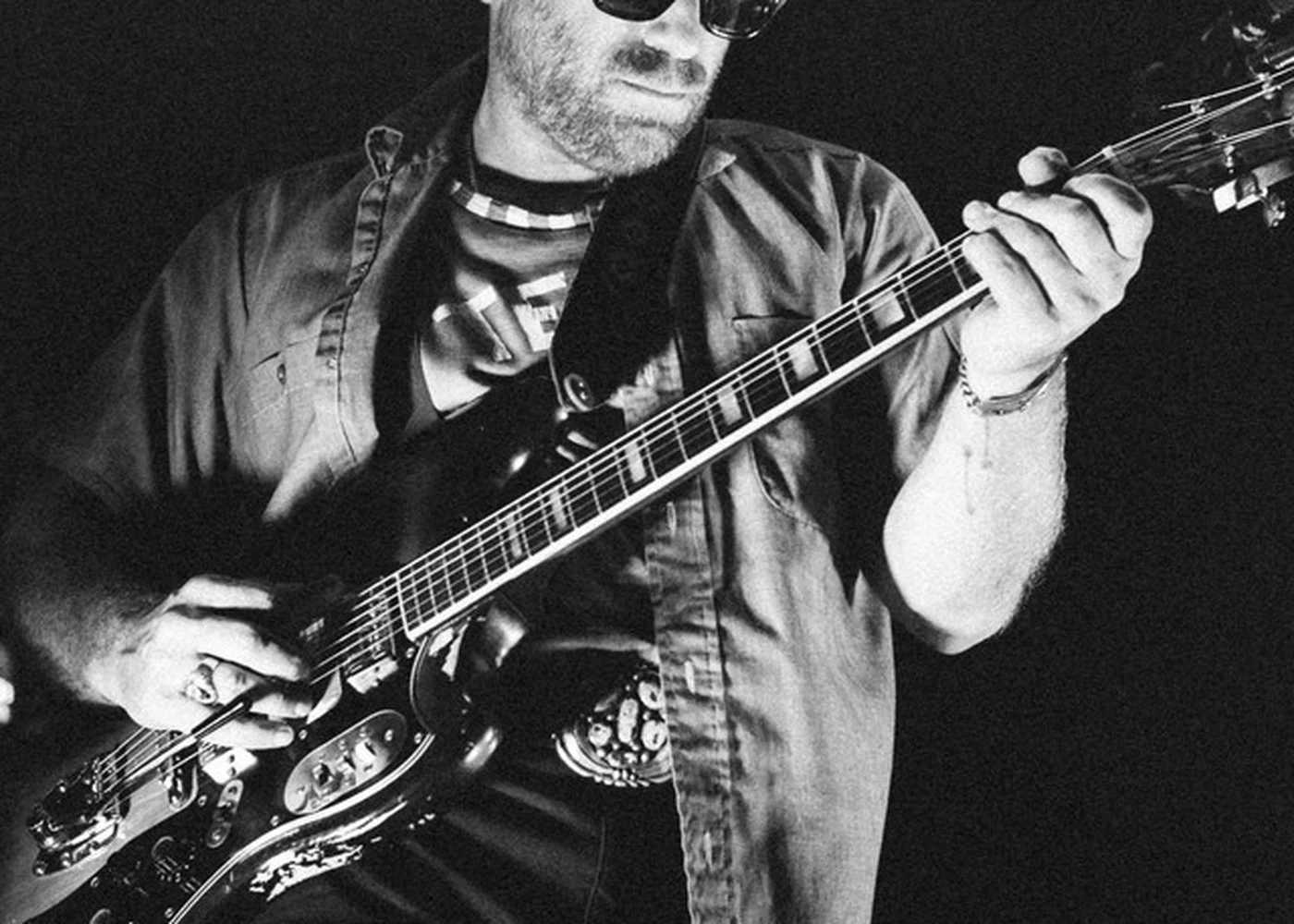
You know the night this song lives in, when somebody has already told you it's fine and you lie there anyway, turning your worst moment over like a stone in your pocket until it's worn smooth. "Heartbroken, In Disrepair" takes that feeling and pushes it all the way to the bottom: a narrator sleeping under a bridge, everything they own held in one arm, every bad decision still in plain view. The song is about someone who gets offered the biggest pardon there is and turns it down, because the court that counts sits inside their own head and hands out longer sentences. Listen closely and the narrator is also choosing to stay exactly where they are.
The inventory under the bridge
The opening takes stock the way a claims adjuster might, flat and quick: no light, no charm, a whole life counted out against one arm. The backing voice echoes "(one)" after that line, double-checking the count, which seems generous given the math involved. Then comes the line that sets up everything else.
"Under the bridge, sleep in the shade"
The bridge is a roof that belongs to nobody, a place you sleep because no one is going to tell you to leave. The shade is cool ground out of the sun, the one comfort on the list. But you only get shade when the sun is out, and two lines earlier the narrator swore there was no light at all. The light is there. They're lying just out of reach of it, and the next line tells you who to blame for that: "All of the terrible choices that I made." No bad luck, no villain, no rigged system. Just them.
That's a choice.
The chorus: still looking, barely breathing
The chorus has the narrator "searching for light, gasping for air," which is a strange thing to do right after insisting the light doesn't exist, and that contradiction is the most hopeful thing in the song. The gasping belongs to someone who has been running or held under water too long. And "disrepair" is a word you use on a sagging porch or a truck up on blocks, here turned on a person who has started describing themselves like a property nobody will fix.
They still go looking, though.
"God may forgive me, that's not enough"
Everything before this line is circumstance: bridge, arm, shade. Everything after it is judgment. The narrator stops describing where they sleep and starts ruling on whether they deserve to sleep anywhere better.
"God may forgive me, that's not enough
'Cause I gotta live with myself 'til I'm dust"
Most songs in the old gospel-and-blues line run the other way. The sinner hits bottom, cries out, and the mercy comes down like rain. This narrator hears that mercy is available and waves it off, and refusing grace is a much harder thing to listen to than begging for it, because begging at least assumes you'd take the help. The line I keep coming back to is the second one. God's pardon, in this telling, is a one-time thing, signed and done, while living with yourself is a daily sentence with no parole date except the grave.
Dust does two jobs in that line. It's what the body turns into, the old ashes-to-ashes promise, and it's the clock the narrator measures their guilt against, a term that runs exactly as long as they do. Even the echo gives way under the weight of it: after "not enough" the backing voice only manages "('nough)," clipped and half-swallowed, like a man running a step behind and losing breath.
There's something proud tucked inside all that self-punishment, and it's worth naming. The narrator has decided their own verdict outranks heaven's, that no one else's forgiveness gets a vote. That stubbornness is what keeps them under the bridge, lying in the shade while claiming there's no sun. Heaven gets outbid.
Walk on by, and the retreat that still reaches
For the first time, the narrator talks to somebody: "Just walk on by, if we passed on the street." The "we" stays open. It could be an old lover, family, a friend who still remembers the person before the bridge. The request is to be ignored, but it's made out loud, to someone, which means the narrator is still reaching for them even while telling them not to reach back.
Then the only line in the song that isn't literal: "Sometimes in battle, it's best to retreat." Everything else is ground and breath and dust, and suddenly hiding gets dressed up in a soldier's coat. A fan could fairly hear this as plain survival, a person with nothing left guarding the last scrap of dignity they have, and that reading holds up. But the battle talk also hands the narrator a nobler word for staying in the shade, and the song lets them keep it. Retreat sounds better than hiding.
Conclusion
The chorus comes back word for word, still searching, still gasping, still in disrepair, and nothing has moved an inch. As I hear it, that refusal to budge is the whole point: the song puts you in the same spot as the friend who already said "it's fine," watching someone who won't accept it. The narrator can keep looking for light forever, because finding it would mean stepping out of the shade and taking the forgiveness they already turned down. The sun is right there. They just aren't finished paying yet.
Frequently Asked Questions
What is "Heartbroken, In Disrepair" by Dan Auerbach about?
The song follows a narrator who has lost everything and sleeps under a bridge, blaming their own terrible choices. They say God's forgiveness won't fix things because they still have to live with themselves, and they ask someone from their past to simply walk by if they meet on the street.
What does "God may forgive me, that's not enough" mean?
The narrator believes divine forgiveness can't erase their guilt, because the harder judgment comes from within. The next line explains it: they have to live with themselves until they turn to dust, a sentence that lasts their whole life no matter what heaven decides.
What does "Sometimes in battle, it's best to retreat" mean in the song?
It follows the narrator's request to be ignored on the street, and it frames that withdrawal as a tactical choice rather than shame. It can be heard as survival, protecting what dignity remains, or as a dignified name for hiding from the people they've hurt.
Lyric analysis powered by Scalpel.



Comments
Loading comments…