

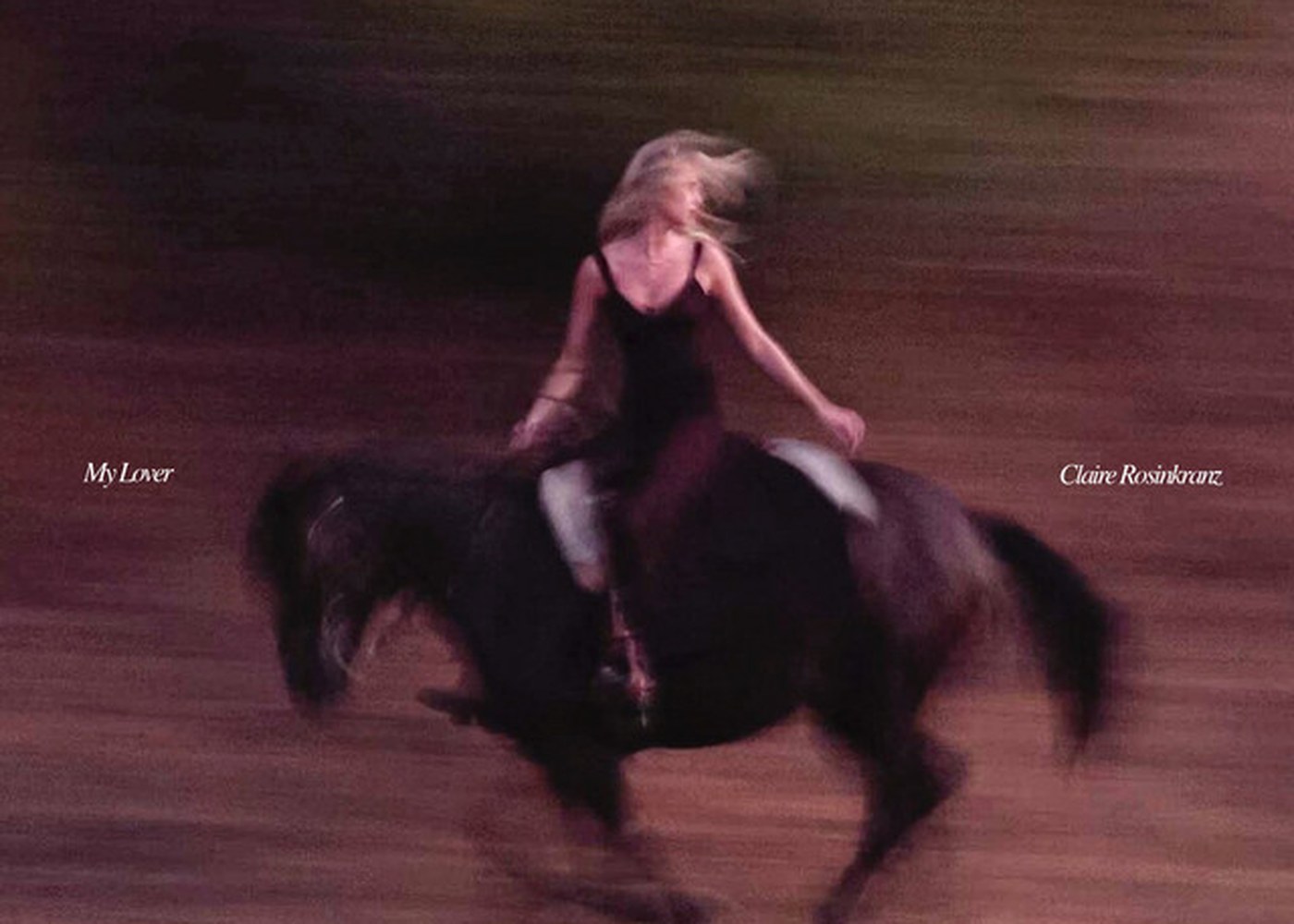
"I'm picking up the flowers he dropped off." That one line is the whole song. Not the allergy metaphor, not the blistered skin, not the lullaby ask before she starts crying. This. The image of someone bending down to collect what someone else couldn't be bothered to hold onto, and doing it willingly, maybe even eagerly, is the clearest picture of what "Allergic" is actually about. The narrator doesn't want out. She wants back in, and she's fully aware of what that costs her.
The Truck, the Driveway, the Cover-Up
The song opens mid-scene, no setup required.
"Bet you didn't think you'd have me back inside your truck / Do your fingers feel sticky-icky covering us up?"
She's already there. Already returned. The surprise in that first line belongs to him, not her, and she's clocked it. The "sticky-icky" line is almost playful, but it's doing something more pointed: she's calling out the secrecy while participating in it, which is exactly the bind the rest of the song lives inside.
Running down the driveway hoping her roommates don't see her is not the behavior of someone in a clean, mutual thing. She knows this. The question at the end of the verse, "are you wrapped around my finger or can I not get enough," is rhetorical in the worst way. She's genuinely not sure which one it is, and that uncertainty is where the song gets its grip.
The Chorus Does Something Counterintuitive
"Allergic to the sun" sounds like a complaint. She means every word of it.
"He's blistering my skin and it's so fun"
The "so fun" lands without irony. She means it. This is not a narrator cataloguing damage so she can justify leaving. The allergy metaphor flips the expected script entirely: usually you avoid what you're allergic to. Here, she's standing in direct sunlight and calling the burn a good time. The song argues that craving something that hurts you isn't confusion or weakness. It's its own kind of choice.
The "loves me, loves me not" petals are borrowed from a childhood ritual where you outsource certainty to a flower because you're too scared to just know. Picking up the ones he dropped is the narrator completing the ritual for him, doing his emotional labor, collecting the scraps of attention he couldn't sustain long enough to hand over properly.
Verse 2 and the See-Saw Problem
The second verse is looser, almost scattered.
"Up and down like we're on a see-saw / Skipping beats like beatbox / Send away accountability I need to pay off"
The rhythm mimics the instability she's describing, words skipping over each other the way thoughts do when you're rationalizing something you already know is not working. "Send away accountability" is a funny line, delivered completely straight. It's the one moment where she's almost laughing at herself, acknowledging that clarity is out there somewhere and she's actively returning it to sender.
"I just need a out" trails off into wordless sounds. She can't even finish the sentence. Which makes sense. She doesn't actually want the out yet.
The Bridge Makes It Physical
The bridge drops the metaphors and gets literal about the cycle.
"Easy come and easy go / Back and forth and back to bed / Again, again, again"
"Burning rubber on our wheels" lands hard after all the flower-picking softness earlier. There's friction here, actual wear. But "tripping head over heels" keeps the falling-for-someone language alive in the same breath. Both things are true at once: she's being worn down and she's still falling. The "again, again" repetition at the end could be exhaustion. It could also be anticipation. The song leaves that open on purpose, and honestly, that's the one place I can't quite pin it down.
What the Song Is Actually Saying
"Allergic" is a portrait of someone who has assessed the situation clearly and decided that the burn is worth it, at least for now. The narrator is not deluded. She sees the secrecy, the inconsistency, the dropped flowers. She just wants the lullaby anyway.
That's what makes it stick. Songs about bad situationships usually give the narrator a redemption arc, a moment of clarity, a final "I'm done." This one doesn't. She's picking up the flowers at the end exactly like she was at the beginning. And she'd do it again.
Lyric analysis powered by Scalpel.


Comments
Loading comments…