

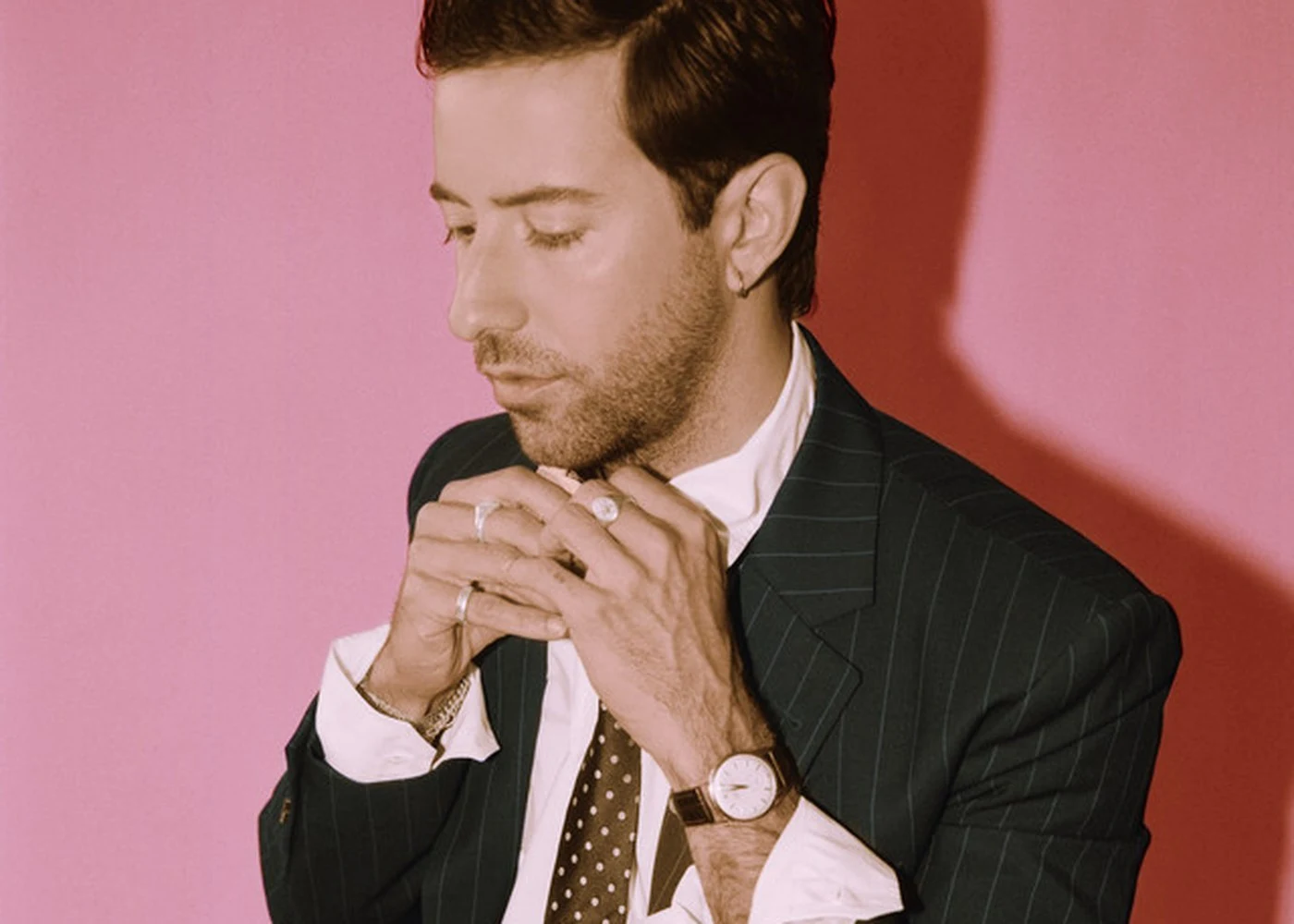
Picture someone at a restaurant table, coat draped over the chair beside them, raising a glass to nobody and calling that nobody "the most beautiful thing that I have never seen." The line sounds like a paradox, but it explains the whole song, because the narrator is grading a person's beauty purely on faith. "The Most Beautiful Thing" is about waiting for a love you haven't met yet. My argument is that the narrator believes in that love far more fiercely than they will admit, and the gap between what they say and what they do is the real story.
Pavement or sidewalk: planning a date with no one
The song opens with a list of logistics for a meeting that has no time, no place and no second person, and the joke is that every option on the list is basically the same option.
"Will it be a pavement or a sidewalk / When I finally lay my eyes on you?"
A pavement and a sidewalk are the same strip of concrete with a British name and an American name. My flat or your apartment works the same way, and Baker Street and Melrose Avenue are two pins dropped an ocean apart on a map. The narrator frames these as big open questions, but the only real variable is vocabulary, which means the one thing never in question is that the meeting will happen. The ground is the same either way.
Two phrases slip something heavier into this playful sightseeing. "When I finally realise I do" tucks a wedding vow inside a question about whose apartment it'll be, and "finally" in both couplets tells you this wait has gone on for a while. Then there's "someone I've already loved," which allows that the stranger might not be a stranger at all, and the song never closes that door.
The coat, the chair and the laughing waiter
The chorus moves from daydream to action, and it's a strange, touching kind of action. The narrator admits "I don't know who you are" and in the very next breath saves a seat, hanging a coat on the chair so the space looks claimed, a piece of clothing standing in for a body that hasn't arrived and might never arrive.
"I tried to reassure the waiter / Say you're down the street"
Look at who gets reassured. The waiter needed nothing; he has tables to clear. The narrator tells him their companion is just down the street, which is, strictly speaking, a lie about a person they've already confessed they can't identify. The reassurance is aimed inward, spoken out loud to the only witness in the room so it sounds more true.
He laughed at me. Three plain words, and the song lets them sit there without defending itself, which is exactly the right choice. The waiter is the only other human being physically present in this love song, and his one contribution is to find the whole thing ridiculous.
I love the "So" at the front of what comes next. "So here's to you" turns the laugh into a reason rather than an obstacle: you laughed, therefore I toast. And then the title line arrives, "the most beautiful thing that I have never seen," which only makes sense if beauty can be judged in advance by belief alone. The narrator isn't describing a face. They're describing the act of hoping, and calling it gorgeous out loud in a room where someone just smirked at it. If you've ever eaten alone at a table set for two, headphones in, you know the song is on your side without once feeling sorry for you.
Someone on a screen: the question that deflates
The second verse changes the camera angle. The first verse asked where; now somebody else asks what, and the asker is faceless, "someone on a screen," maybe an interviewer, maybe an app, maybe a video call that the lyric never bothers to explain.
"Maybe it's just circumstance / Or general compatibility"
The answer is startlingly cool, the language of a dating profile or a shrug at a dinner party. Asked to define love, the narrator offers chance and a decent overlap of interests, which is the exact opposite of a person who hangs a coat on a chair for someone unmet. The contradiction goes unnoticed by the narrator, and that blind spot makes them easy to love. Nobody saves a seat for general compatibility.
So when the chorus comes back word for word, the saved seat looks less like whimsy and more like stubbornness. A fair listener could flip this and say the shrug is the honest answer and the restaurant scene is a self-aware bit, the narrator laughing at their own romanticism alongside the waiter. I'd answer that you don't repeat a joke this tenderly.
Conclusion
The song keeps asking where and when, and never finds out who, yet by the end the who barely matters. What it shows instead is a person whose theories about love are modest and whose habits are wildly devoted, someone who can't define the thing but has already set the table for it. To me, the unchanged final chorus is the point: the laugh, the screen and the shrug all came and went, and none of them talked the narrator out of anything. The glass goes up anyway, for a face that doesn't exist yet, and the empty chair stays exactly where it was.
Frequently Asked Questions
What is "The Most Beautiful Thing" by Bruno Major about?
It's about waiting for a person you love but haven't met yet. The narrator imagines where the meeting will happen, saves a seat at a restaurant for this stranger, and toasts them even after the waiter laughs. The song contrasts a cool, casual definition of love with behavior that shows deep, almost fated hope.
What does "Will it be a pavement or a sidewalk" mean?
Pavement is the British word and sidewalk the American word for the same thing, just as flat and apartment are. The narrator is wondering which side of the Atlantic the meeting will happen on, and the gentle joke is that the options differ only in vocabulary. The meeting itself is treated as certain.
Why does the waiter laugh in "The Most Beautiful Thing"?
The narrator tells the waiter their companion is just down the street, even though they admit they don't know who that person is. The waiter sees through the romantic fib and laughs. Instead of giving up, the narrator raises a toast to "the most beautiful thing that I have never seen."
Lyric analysis powered by Scalpel.
Comments
Loading comments…