


Introduction
Love in freefall
The track opens like someone rifling through emotional receipts. The speaker takes us back to the early days when the future felt locked in, only to admit it all nose-dived without warning. Right away you feel the whiplash of a relationship that went from wedding-talk to radio silence.
Verse 1
Broken vows
“I vowed to keep you warm / I held you in my arms”
That first line lands like a promise carved in stone. The speaker flashes a warm image—literal body heat and safety—then shows how cold things grew.
“Baby, you were supposed to change your last name”
Wedding bells were on the vision board, not just vibes. Dropping this line so casually makes the collapse feel even harsher. We’re hearing someone mourn a life that never happened, which hurts worse than losing one that did.
Across the verse the narrator owns their part—“tried my best to be a man through it all”—yet refuses to “explain a damn thing.” That tension sets up the whole song: accountability brushing elbows with defensiveness. The broader theme is expectations turning toxic once reality fails to cooperate.
Chorus
Identity crisis
“Is this something I did?”
The hook spirals around that single question. It’s a gut punch because it’s both sincere and a little accusatory. Blame hangs in the air but never lands.
“Don’t know who we are right now”
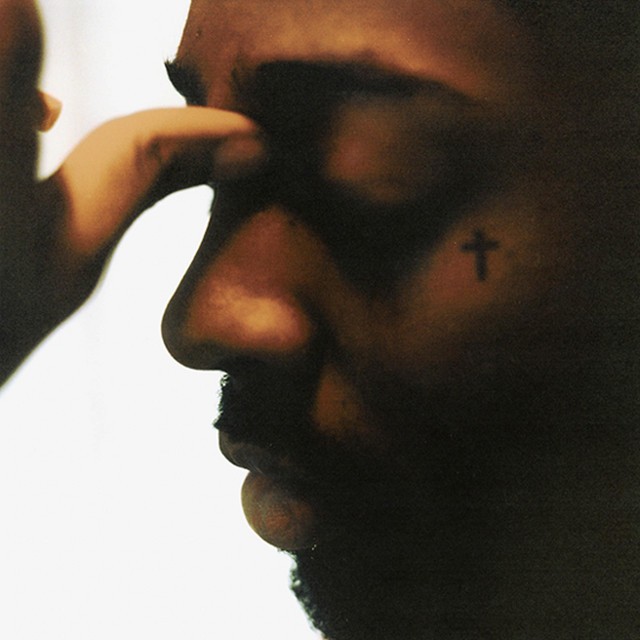
Here’s where it gets interesting: the issue isn’t just what happened but who they’ve become. The lovers turn into strangers, title confirmed. The chorus captures that weird limbo where you still share memories but can’t recognize the person in front of you. Themes of identity and disorientation flood the space, making the chorus feel less like a sing-along and more like an echo chamber.
Verse 2
Uneven exchange
“I told you everything, you told me parts of you”
The speaker drills into the imbalance that poisoned the bond. Emotional math doesn’t check out: they gave a full heart, got hell in return.
“If that’s the exchange, then I'm making a change”
That line is the pivot. Instead of begging, the narrator redraws boundaries. The verse piles up unfixable intel—things heard, things seen, tears that mirror fallen poker chips. Trust once solid now feels like quicksand. The larger point: without full transparency you’re basically negotiating with a ghost.
Outro
Self-repair manual
“Note to self, be truthful, even when it hurts”
The song ends like a Post-it on the fridge. No more you and me—just me. The list mixes spiritual advice, health tips, and a sly flex about never revealing finances, hinting at lessons learned from the breakup. Generosity “without expecting anything in return” is the last line, a quiet antidote to all the scorekeeping we just heard. The theme shifts from romantic fallout to personal evolution.
Conclusion
From us to me
“strangers.” traces the messy slide from intimacy to unfamiliarity, shaving it down to one burning question: was it my fault? By the time that note-to-self rolls, the speaker realizes the only control they have is over their own habits. Love failed, but growth is optional—and they’re taking the option.




Comments
Loading comments…