

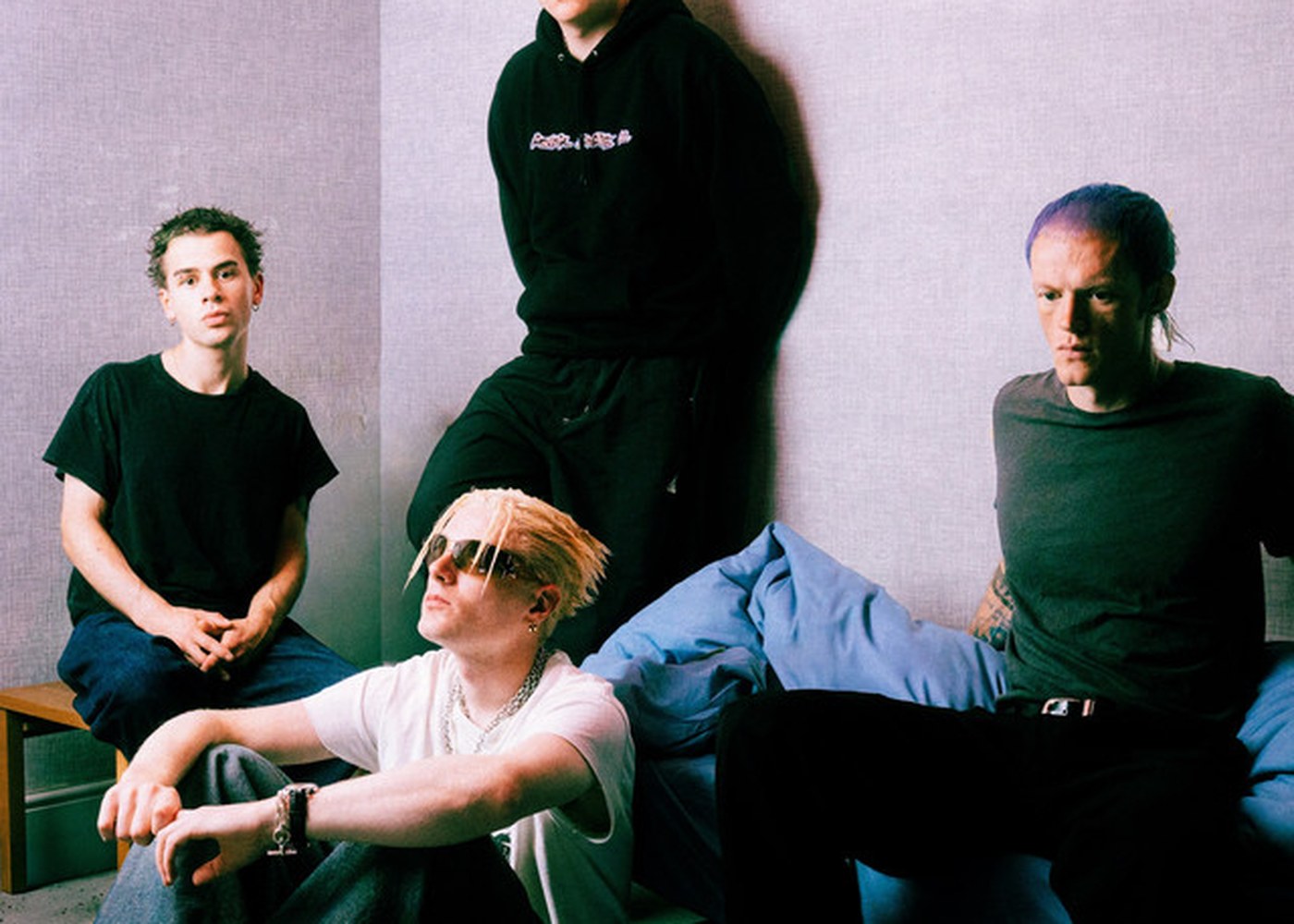
"Underrated" is a song about worship that was never going to save you. The narrator knows the power is unequal, knows the devotion is being used, and keeps offering themselves anyway. That's the trap, and the song maps it with brutal precision from the first verse to the last line of the outro.
The Room at the Top
Verse one sets the geometry immediately. One person is in their perfect room, dealing power and doom. The other is beneath. That word lands twice in a row, "beneath, beneath," and the repetition makes it physical, like someone pressing down on your shoulders.
"Will I kneel before the promise of those words that you speak?"
The question mark is doing real work here. The narrator isn't sure whether to submit, which means part of them already knows they shouldn't. But the phrasing gives it away. They're not asking "should I kneel." They're asking "will I," which is a question about inevitability, not choice. The answer, sung out through three choruses, is yes.
The Chorus: What the Altar Actually Costs
The chorus is where the song's central image lives, and it's worth sitting with for a second.
"My sweet altar prophet / My heart, you can put upon it"
An altar prophet is someone who speaks on behalf of something sacred. Calling the other person that is an act of total elevation. The narrator has turned this relationship into a religion and themselves into the offering on the table. The heart goes on the altar, gets dealt from a pocket like a card, or thrown away. Three options, all at the other person's discretion.
"Feed it to me now down here where I'm so underrated"
This line is the gut of the whole song. "Down here" confirms the position established in verse one: beneath, below, on the floor. "Underrated" carries two meanings at once. The narrator feels unseen and undervalued in some larger sense, by life, by circumstance, by whoever is supposed to notice them. But they're also asking the prophet to give them something that makes that feeling bearable, even briefly. The need and the abasement are collapsed into one request.
If you're listening to this at 2am with headphones on, that line probably feels less like metaphor and more like a transcript.
Verse Two: The Gratitude of Being Consumed
The second verse is weirder, and more uncomfortable.
"Oh, babe, I've been so good / Oh, it's so thrilling to be understood"
That "I've been so good" is almost childlike. It's the language of someone performing compliance in the hope of a reward. And "thrilling to be understood" tells you how starved for recognition the narrator is. Understanding, even partial, even from someone using them, registers as a thrill. That's how deep the need goes.
The verse closes with a line that sounds like devotion until you read it again: "you know when you take everything, you know you make me complete." Being emptied out and being completed are described as the same event. The narrator has reframed dispossession as fulfillment. The song gets genuinely dark here, because it's not delusion, it's adaptation. The narrator has learned to call the taking a gift.
The Outro: The Lock Turns
The outro strips the devotional language away and leaves something harder behind.
"You put the key in as you lock it / Turn around and drop it as you're walking away"
The prophet locks the narrator in and discards the key. The image is clean and cold. No cruelty performed, just indifference, and somehow that's worse. Then the final two lines land flat:
"You let me down / And now I just got myself to blame"
The narrator names the abandonment plainly for the first time. But they immediately redirect the blame inward. After everything, the ending isn't anger. The ending is the narrator absorbing the damage as their own fault. The song refuses to offer a correction or a recovery. It just ends there, blame pointing inward, prophet already gone.
I keep coming back to how little resentment there is in those last two lines. Any reasonable listener could read the blame as something more defiant, as the narrator refusing to give the prophet the power of being called a villain. That's a viable reading. But the flatness of the delivery makes it feel less like defiance and more like the narrator has simply internalized the lesson they were taught.
"Underrated" is a song about how completely you can give yourself over to someone and still end up holding the wreckage alone. The altar was never going to return anything. The worship was always going to be a one-way transaction. The narrator knew something was wrong back in verse one, when they asked whether they would kneel, and they kneeled anyway. The song doesn't judge them for it. It just shows you the locked door.
Frequently Asked Questions
What is "Underrated" by Bleech 9:3 about?
"Underrated" is about giving yourself completely to a person who holds power over you and finding that the devotion leaves you emptier than before. The narrator worships this figure like a prophet, offers up their heart, and ends up alone and self-blaming when the relationship collapses. The song frames that dynamic without softening it or offering a way out.
What does "my sweet altar prophet" mean in "Underrated"?
Calling someone an "altar prophet" turns them into a religious figure and the relationship into an act of worship. The narrator is placing their heart on the altar as a sacrifice, to be kept, discarded, or ignored at the other person's will. It captures how completely the power imbalance has been accepted, even spiritualized, by the person on the receiving end of it.
What does "feed it to me now down here where I'm so underrated" mean?
The line captures the narrator's position in the relationship: below, unseen, and desperate for something that makes the feeling bearable. "Underrated" signals a life where their worth has gone unrecognized, and they're asking this powerful figure to give them just enough to survive that feeling. The request itself confirms the degraded position they've accepted.
Lyric analysis powered by Scalpel.

Comments
Loading comments…