

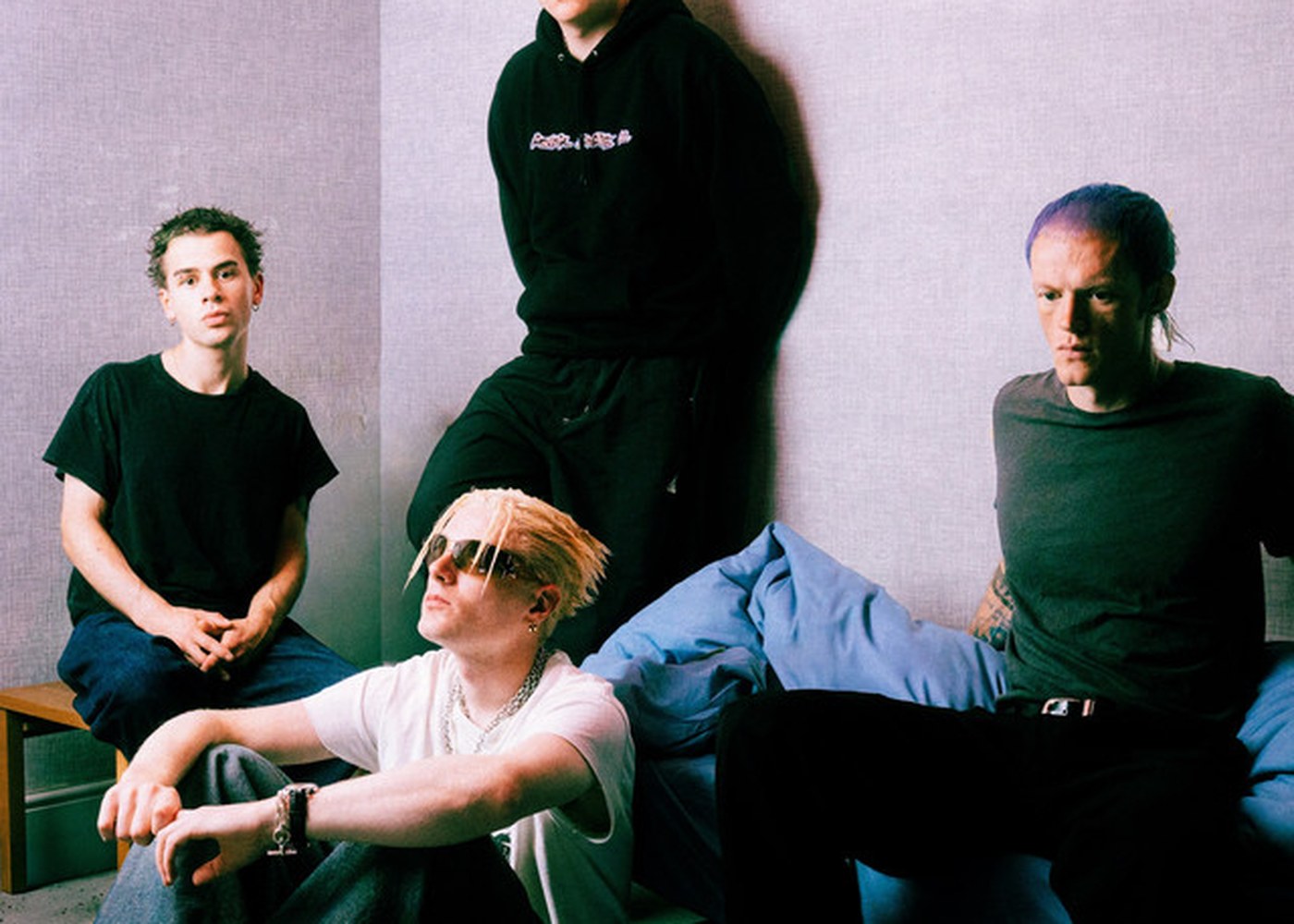
"Jacky" is tender toward its subject and absolutely merciless toward everyone else. That combination is hard to hold, and the song holds it without flinching. Jacky is grieved openly, his pain treated as real and specific, while the people around him get indicted in the same breath. The song makes both moves at once, and neither cancels the other out.
What "Jacky" is about, plainly, is a man who drives off into the night and does not return, and the community that watches it happen from a comfortable distance. But the song's actual argument is sharper than that: his disappearance was not a private tragedy. It was the result of people choosing not to see, not to stay, not to ask. The absence is the point. So is the guilt.
Verse 1: The Exit Nobody Tried to Stop
The song opens in the middle of Jacky's breaking point, already moving. He's throwing things to the flames, declaring he won't come back, and the reasons he gives are specific enough to sting.
"You don't know my life and you don't know the pain / And I feel so wrong stuck where I can't stay"
What Jacky is naming is not just personal suffering but the failure of the people closest to him to understand it. He's been unseen. The frustration in those lines isn't rage at his situation; it's rage at being invisible inside it. And the song frames his exit not as a reckless choice but as the only logical move left when nobody around you has made space for the truth of what you're carrying. He's not dramatic about it. He just goes. That restraint makes it worse.
The Drive and What It Means
The chorus is the image the song builds everything around, and it earns that weight by being precise without being graphic.
"And Jacky took that drive in the midnight rain / And nobody heard him say that 'I'll be back again'"
The midnight rain does a lot of work. It puts Jacky in isolation at exactly the moment he most needed the opposite, and it makes the image feel both real and final. But the second line is where the accusation sits: nobody heard him. The song doesn't say nobody was there. It says nobody heard. That distinction matters, because hearing requires more than proximity. It requires attention. It requires choosing to listen when someone is telling you they are at the edge. Jacky said something. Nobody received it. That failure belongs to the people around him, and the chorus returns to it three times to make sure it doesn't get forgotten.
The post-chorus lands it even harder. "And I bet you think you're right when you walk away." One sentence, no softening. The song speaks directly to whoever left, whoever turned away, whoever decided their comfort mattered more than Jacky's survival. And it refuses to let them have the moral high ground they've probably already awarded themselves. That line is the spine of the whole song.
Verse 2: The Town That Noticed Too Late
The second verse dispatches the community response in a few brutal lines. People search the scene at the break of day, finding nothing. They move fast once the word spreads. They just didn't move at all when it might have changed something.
Jacky's mother's grief is rendered physically, her body breaking open the same way the sky does around her screams. It's the most visceral image in the song, and it earns its place by showing what the people who walked away actually left behind. Someone has to carry the weight of what they refused to carry. It falls on her.
Verse 3: The Devil Gets His Way
The third verse is where the song gets theological, and it's the sharpest turn it makes.
"Oh, when will it ever end? Not until you break / The devil takes his hand, the devil gets his way"
Before that line, Jacky is still fighting, still asking for one day's relief, still insisting he has nothing left to give. The voice in those lines is desperate but present. Then the devil steps in, and the sentence structure shifts from plea to result. "The devil takes his hand" isn't a metaphor for Jacky's moral failure. It's the song's verdict on a system of neglect so complete that something had to fill the void the people around him left open. The devil gets his way because everyone else abdicated theirs. It's not fate. It's a consequence.
I keep coming back to how quickly that line arrives. There's no buildup, no dramatic pause. Jacky asks when it ends, the answer is "not until you break," and then it's done. The speed of it mirrors what collapse actually feels like from the outside, fast and already past by the time you register it.
A fair alternative reading holds that the devil line is about Jacky's own inner voice, the part of a person in crisis that convinces them there's no way out. That reading doesn't contradict this one; both can be true. What the song won't let you do is blame Jacky himself. His hand was taken. Something else moved him toward that exit.
What the Repetition Is Doing
The chorus cycles back three times, and each repetition adds a line. By the final version it includes "no one knows why, and no one can say" and "you don't wanna see, you wanna turn away." The accumulation is deliberate. The song is building the case against the people who walked away, adding evidence with each pass. The post-chorus closes every single time with that direct address, the bet that they think they were right. By the third time, it's not a guess anymore. It's an accusation the song has fully earned.
"Jacky" is not asking why this happened. It knows why. It's asking whether the people responsible will ever admit it. The song already knows the answer to that too, which is why the grief underneath it runs so cold.
Frequently Asked Questions
What is "Jacky" by Bleech 9:3 about?
"Jacky" tells the story of a man who drives away one night and never returns, leaving behind a community scrambling to understand what happened. The song argues that Jacky's disappearance was not simply a personal crisis but the result of the people around him consistently failing to see his pain, listen to his warnings, or stay when it counted. The song holds those people directly accountable while grieving Jacky without judgment.
What does "The devil takes his hand, the devil gets his way" mean in "Jacky"?
The line arrives at the end of verse three, right after Jacky pleads for relief and is told the only end point is breaking. "The devil takes his hand" signals the moment when something destructive fills the space that the people around Jacky left empty through their neglect. The song frames this not as fate or Jacky's moral failure but as a direct consequence of a system of abandonment, making the people who walked away complicit in the outcome.
What does "nobody heard him say that I'll be back again" mean?
The line draws a distinction between being present and actually listening. Jacky said something before he drove away, but the people around him either weren't there or weren't paying enough attention to receive it. The song uses this detail to indict the community for their inattention, suggesting that someone in genuine crisis reached out in some form and was met with silence or absence. The chorus repeats this line three times to ensure the weight of that failure accumulates.
Lyric analysis powered by Scalpel.

Comments
Loading comments…