

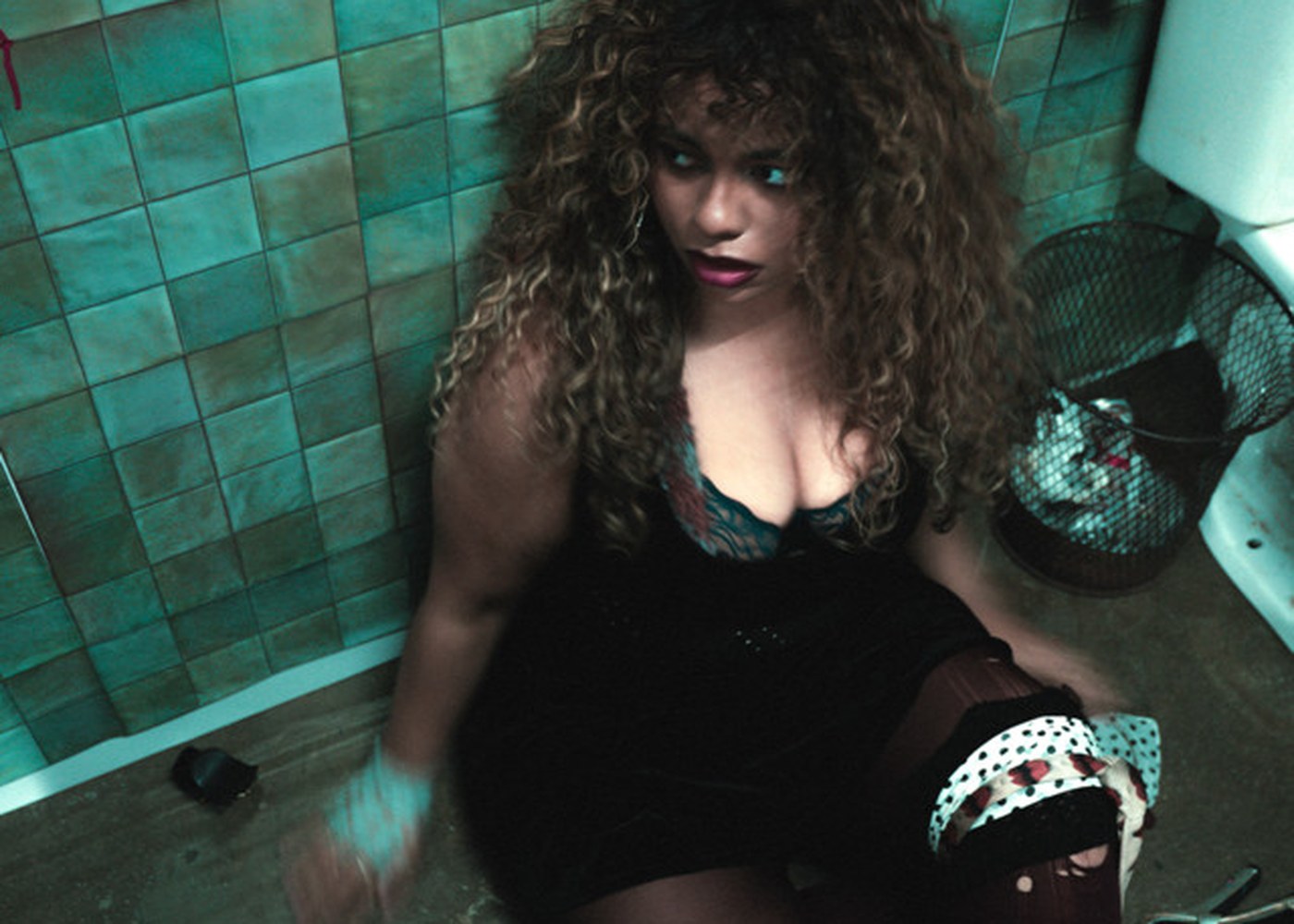
You know the line is there. You're standing right next to it. And the whole song is you making the case, out loud, for why it should stop existing.
That's the move Bella Kay pulls in "Blur," and it's a sharper one than it looks. The narrator isn't sneaking across a boundary or pretending it doesn't exist. They're building an argument for why the line itself is the problem. The song is the argument. You're hearing it in real time.
The Setup: Being Bad On Purpose
The first verse is almost too honest about the dynamic. "You're so sweet, I hate that" gets the contradiction out immediately. This isn't someone who resents the other person. It's someone who resents that sweetness makes restraint harder. The hate is self-directed and just deflected outward for a second.
Then the pre-chorus does something really specific. "You know I love causin' problems / Pull me close and watch you solve 'em" is the narrator admitting they manufacture tension because they like what comes after it. The mess is a feature. It's bait, and they know it, and they're telling you they know it, which somehow makes it worse and more charming at the same time.
"But you like when I'm messy" is where the accountability fully evaporates, and it does so cheerfully. Both people are in on it. That's the thing that makes this feel less like a confession and more like a pitch.
The Chorus: Fantasy With the Receipts Right There
The chorus is doing the heaviest lifting in the song, and it earns it. "Could be in the kitchen or the bathroom floor / Might be in my head" opens with locations that feel immediate and physical, then immediately softens them with doubt. The narrator isn't certain any of this is happening. They're projecting. They know they're projecting.
"You're drivin' me home / I'm wishin' you weren't"
That line is the emotional center of the whole track. It's a simple situation with a wish attached that makes it complicated. The narrator wants the drive to last, wants to extend the proximity, wants the destination to stay hypothetical. Wishing someone weren't driving you home is such a specific way to say you don't want to be alone yet.
"I can see your bedroom from the balcony / Baby, I can also see your hands on me"
Two different kinds of seeing in back-to-back lines. One is literal, physical, real. The other is imagined. The narrator collapses the gap between them like it's nothing, and the song doesn't correct them. That collapse is the whole thesis: if you look at something long enough, the line between what's real and what you want starts to go soft.
The Bridge: Dropping the Case, Asking the Real Question
The bridge is the least ornamented part of the song, and it lands harder for it. "How long can we take it? / How wrong can we make it?" repeated in that call-and-response structure stops being rhetorical around the third time. The first time it sounds like flirting. By the end it sounds like someone who actually needs an answer.
I keep coming back to the fact that the bridge never resolves. It just asks, over and over, and then drops back into the chorus. The song offers no answer to how wrong or how long. Which is its own answer, honestly.
What the Song Is Actually Arguing
"Blur" is about a narrator who is fully lucid. "I know there's a line" is stated plainly, no defensiveness, no pretending. The argument is that knowing the line exists and choosing to advocate for its removal are not contradictory. You can see the boundary clearly and still vote against it.
A reasonable read is that the song is just desire dressed up with self-awareness, that the lucidity is performative cover for doing what you were going to do anyway. That reading holds up. But I think the song is more interested in the moment before anything happens, the sustained, almost pleasurable state of wanting things to be different without acting yet. The blur isn't something that occurs. It's something being lobbied for, repeatedly, with full knowledge it might not be granted.
The post-chorus even slips in "I doubt it" in the backing vocal on the second pass, so quiet you might miss it. The narrator knows. They're asking anyway. That gap between knowing and asking is where the whole song lives, and it's a more honest place than most songs about wanting someone are willing to go.
Lyric analysis powered by Scalpel.



Comments
Loading comments…