

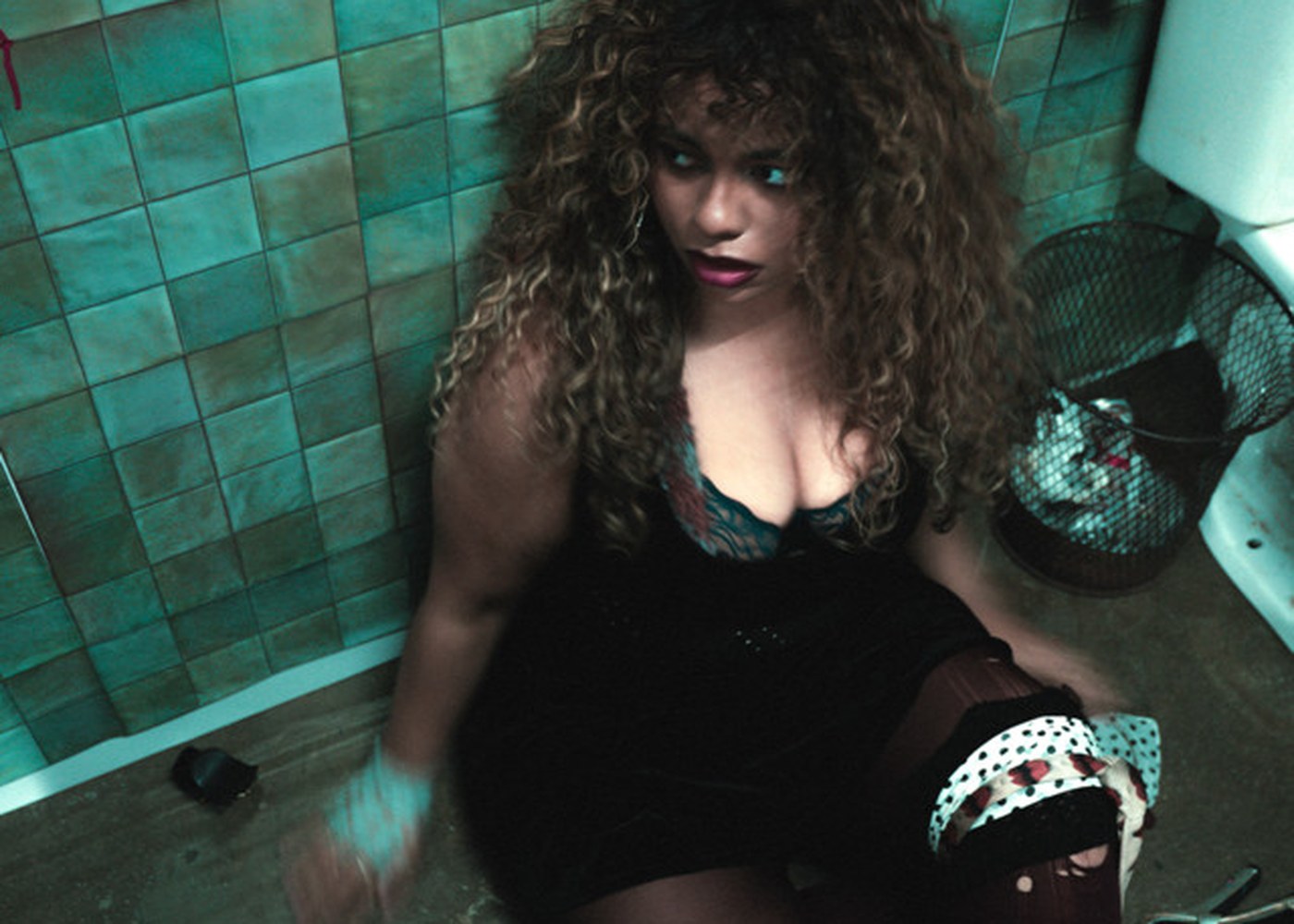
Most songs about parental love lean into the warmth and let the worry stay implied. "A Father's Lament" does the opposite. It makes the fear the whole point, pulls it out into the open, and dresses it up as advice. What lands differently about this one is that the father isn't cold, or absent, or wrong. He's loving and terrified at the same time, and Bella Kay holds both of those things in the same breath without flinching.
The thesis is right there in the structure: this song is a protection manual written by someone who knows the manual shouldn't have to exist.
The Voicemail That Starts Everything
The intro is nine seconds of setup that does more than any intro has a right to. A father leaves a voicemail. Hey snoosh, it's your dad, just checkin' on you. That's it. One casual message, one pet name, and the whole emotional frame snaps into place before a single verse runs. The song that follows is the context behind that kind of check-in call, the one every Black parent makes and every Black kid knows is about more than just catching up.
The Advice He Was Given, and What He Did With It
Verse one goes back a generation.
"Wise ol' Daddy said to me / 'Don't be too much, but don't be too little / If you wanna get out, live right in the middle'"
It's a line about survival disguised as life advice, the kind of thing that gets passed down so quietly you might not clock it as grief until you're older. The father learned it from his father. Now he's recalibrating it for his daughter. The pre-chorus is where that inherited fear gets its sharpest articulation.
"I can't always save you, little girl / I can only pray this filthy world / Doesn't break you down piece by piece / Like all those people did to me"
That last line is the one I keep coming back to. He's not warning her about an abstract threat. He's describing something that happened to him, inside his own lifetime, to his own body. The advice he's passing down is scar tissue formatted as guidance.
The Chorus Is the Contradiction
Don't be too loud. Don't be too proud. Humble, smart, and patient. And then: you're Black, baby girl, don't waste it.
The chorus holds a tension that doesn't resolve, and that's the whole point. The first three lines tell her to shrink. The fourth tells her her Blackness is something to be lived fully, not discarded. Both instructions are given with love. Both are true inside the world this father knows. The song never pretends they aren't in conflict, and it never tries to smooth that conflict over. The chorus is doing the same thing the father is doing: holding two impossible truths at once and calling it parenting.
The second verse tightens the frame as she gets older, the warnings shift from general to specific.
"Don't give 'em one reason to hate you / Don't give 'em one reason to start"
Shorter, harder, no softening. By the time the second chorus runs, the "uh-huh" sits there like a reluctant confirmation of everything he's had to say.
The Outro Changes the Stakes
The outro earns its length. The song pivots from daughter to son, and from instruction to prayer.
"I hope I can save that little boy, he is just a kid, and so am I"
That admission, and so am I, is the emotional crux of the whole song. The father giving this careful, considered, generationally-tested advice is also still figuring it out. He's not a wise elder handing down certainty. He's a person who was hurt, doing his best not to pass the hurt forward while knowing he probably can't stop all of it. The final lines reach toward something that sounds like hope but feels like a plea: I pray this world can find its penance.
A fair reading of this song could focus on the daughter's experience, how it might feel to receive a love this layered with warning. That reading holds. But the song keeps centering the father's fear and his helplessness, which is what makes the frame so precise.
"A Father's Lament" is a song about the labor of loving someone into a world that hasn't made room for them yet. The father laments the gap between how much he loves her and how little that love can actually protect her - a feeling most songs aren't willing to sit inside this honestly, and that's exactly what makes this one stick.
Lyric analysis powered by Scalpel.




Comments
Loading comments…