

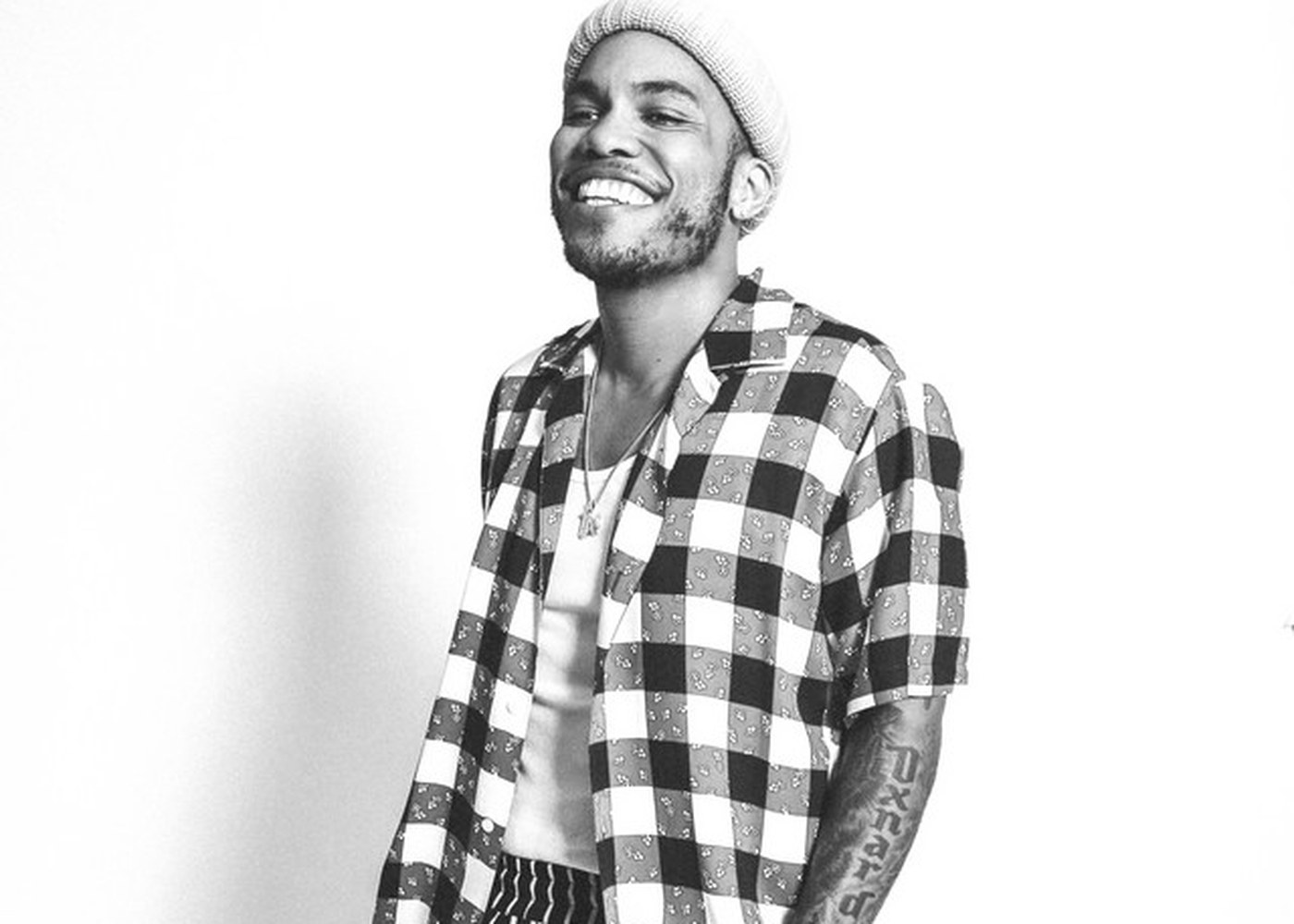
"Airbender" is a stack of money boasts, from rare denim to a lakeside crib to a ride in a driverless Waymo, traded between Anderson .Paak and Cordae. The real point arrives late, when the list of things becomes a list of people: one friend just home from a bid, another due back by six. The breadwinner brag is about who gets fed.
Introduction
Somebody on the sidewalk squints at a pair of jeans and asks what they are. The answer comes back fast, two words, no price tag needed: rare denim. For most of its run, "Airbender" lives in that exchange, a song of quick questions and quicker answers about what money buys. My argument is that the whole shopping list exists to set up four bars near the end, where the boasts stop being about stuff and start being about the people the stuff pays for.
The chorus: nicknames, dough, and a loaded promise
The chorus opens with a slogan anyone can chant: "Man, fuck bein' broke." Then comes the line everybody wants decoded.
"All I wanna do is ball like the Airbender"
"Ball" means spend big and live loud. The obvious pull of "Airbender" is the cartoon kid who bends the elements, and the image fits: money moving through the air, weightless, shaped by whoever controls it. The song never pins the reference down, which is fine. The nickname works as a feeling more than a footnote. Whoever the Airbender is, they make the hard stuff look effortless.
The next line is a bakery pun with a thesis hidden inside. "Mixin' up the dough, I'm the breadwinner" plays dough as cash and dough as something you knead, and "breadwinner" sits right next to it. A breadwinner is the person a household depends on. Hold onto that word. The chorus says it with a grin, but the ending makes it pay rent.
Everything else in the hook is swagger with a safety on it. The bro has a semi-auto and every round "got lead in 'em." The rare denim answers the stranger. The "two Georgia peaches" come as a pair, and whether they're fruit or women is left to your imagination, which is exactly the point. Then the joke: "Dre said, 'No more features,' not clearin' 'em," sung on a track built around a featured voice. Nobody in the song acknowledges the irony. That shrug is part of the charm.
Anna Mae and the sugar with teeth
The verse kicks off as a dare. What do you say to people who hate you? "Study a tape of A.P. 'n' 'Dae," like the haters are a team watching game film before getting dusted. The two voices name themselves as a unit here, which matters later, because this song keeps measuring wealth in crew.
Then the references pile up. "Got the same lawyers as Puff, but I beat the case" turns legal trouble into a status symbol. "My bitch built like Kim, but I keep the K" sets a body next to a weapon in one breath. And then, in a borrowed voice:
"Mm, 'Eat the cake, Anna Mae'"
That line is lifted from the Tina Turner biopic, where Ike shoves cake at Tina and demands she eat it. It's one of the most quoted moments of menace in movie history, and the song drops it as a punchline about excess. I laughed the first time, then winced a little. Quoting a controlling, violent man to celebrate having more cake than you can finish is a deliberate flash of the threat that runs under the whole song. The sweetness and the gun live in the same bar, just like the K next to Kim.
Right after, the possessions stack up like a real estate listing: a "sweet lil' crib on the lake," "big bands fillin' up the safe." Cake, crib, safe. The verse is building a house out of things.
The ethics clause
Then, out of nowhere, a moral stance: "What's not ethical, I can't do it." A few bars later there's a trunk full of dope and coke on offer. The song never notices the gap. Its idea of virtue is closer to a diet plan, "way more vegetables and less sewage," a scorecard where you count your good inputs and hope they outweigh the rest. Funny line. Also an honest one about how people actually keep score.
Nobody driving
The halo-wearing angel, the drinks to the head, and then the best image on the record: "Now I'm in the back of the Waymo gettin' head." Private jets used to be the privacy flex. Here the flex is a car with no driver at all, where the only witness is a robot that keeps its eyes on the road. The escape fantasy keeps going, eloping "in the truck or the boat," until the verse starts sounding like it could float off forever.
Home from a bid: the turn
It doesn't float off. The stash talk peaks with "he got skunk and the coke, what you want?" and then the camera swings away from the trunk and toward a front door.
"My young nigga just came home from a bid / Got his own lil' kid who ain't wanting for shit"
The list of possessions becomes a list of people. A friend just out of prison. His child, provided for. Suddenly the safe on the lake has a purpose, and "breadwinner" from the chorus stops being a pun. Somebody is covering this kid. The song doesn't say who, and it doesn't need to.
Then a second friend, with an actual release time: "My other nigga finna be home 'bout 6." That detail gets me every time, because it's a schedule. You don't know when someone is coming home unless you've been counting. The flex has a calendar now.
"Don't condone it a bit, but he ownin' his shit"
That closing bar holds the song's only real moral judgment, and it's loyalty with a disclaimer. The narrator separates the man from what he did without dropping either one. No excuses for the deed, no abandoning the person. It's the most adult line on a track that spent two minutes joking about Waymos.
A fair counterpoint: maybe these bars are just one more flex, proof of reach, a way of saying even my people inside are taken care of. I hear that, and the brag tone never fully leaves. But the specificity of "'bout 6" is too tender for pure stunting. If you've ever driven across town the day your deposit cleared just to cover a friend's bills, you already know which reading you believe.
Conclusion
Then the chorus comes back, word for word, and every line in it has changed weight. "Fuck bein' broke" now has a kid attached to it. "Breadwinner" now has dependents with names and release times. The rare denim and the lake house are still there, still loud, but they read as what's left over after the people are handled. The song never apologizes for wanting the cake. It just shows you who's sitting at the table when it gets cut, and to me that's the whole reason to ball like the Airbender in the first place.
Frequently Asked Questions
What is "Airbender" by Anderson .Paak about?
"Airbender" is a money-and-swagger track where Anderson .Paak and Cordae list what success buys them, from rare denim to a lakeside house to a full safe. Near the end the focus shifts to friends coming home from prison and a child who is provided for, which turns the flexing into a story about supporting your people.
What does "Eat the cake, Anna Mae" mean in "Airbender"?
The line quotes a famous scene from the Tina Turner biopic, where Ike forces cake on Tina. In the song it works as a joke about having more luxury than you can handle, while carrying a hint of menace that matches the gun talk elsewhere in the verse.
What does "ball like the Airbender" mean?
To "ball" is to live large and spend freely. "Airbender" most naturally points to the cartoon hero who bends the elements, so the line pictures money and status handled with effortless control. The song leaves the exact reference open.
Lyric analysis powered by Scalpel.


Comments
Loading comments…