

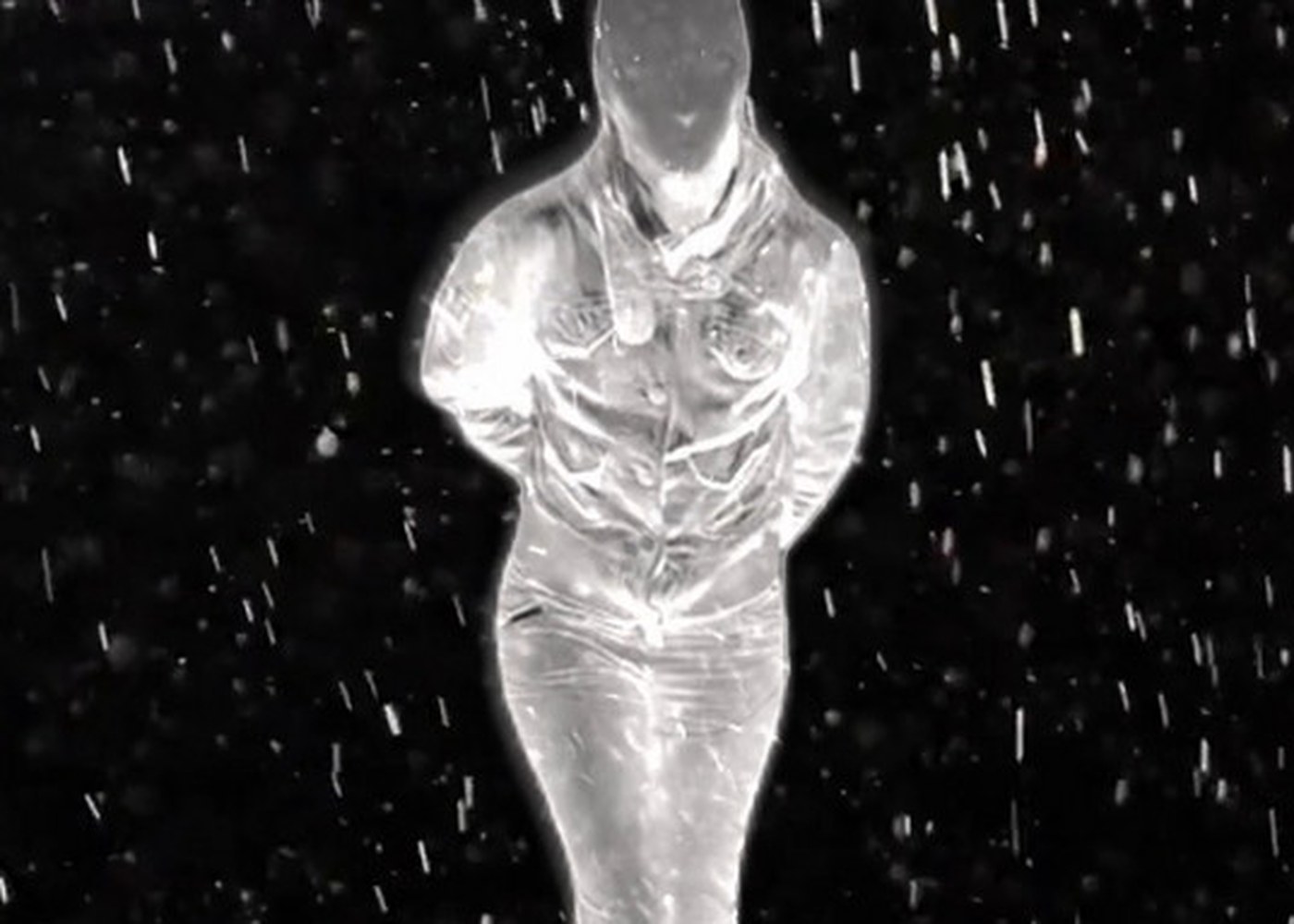
"I can forge intimacy, crack you open just to leave." That one line is the whole song. Not a confession delivered with guilt, not a boast delivered with pride, but something colder and more uncomfortable: a self-diagnosis delivered with almost clinical precision, by someone who has watched themselves do this enough times that they can describe the mechanism in real time.
"Push & Pull" is a song about mistaking dominance for desire, and it's sharp enough to know the difference even while the narrator refuses to act on that knowledge. The whole track lives inside that gap.
The Predator Who Knows the Word for What She Is
Verse one opens with a narrator collecting people like trophies, keeping broken hearts "like pearls on a necklace," which is a gorgeous, horrible image because pearls are made of irritation, built up layer by layer around something that got under the skin. The narrator isn't oblivious. She names exactly what she does: forge intimacy, crack people open, leave. The verb "forge" is doing serious weight here. It means to fabricate, to counterfeit. She's not offering real closeness and then pulling back. She's manufacturing the appearance of closeness specifically to produce a reaction she can then abandon.
And then comes the line I keep coming back to:
"My inflated sense of self, like a hot air ride to hell, I love the feeling"
The image of a hot air balloon is almost funny in how perfect it is. You're ascending on nothing but hot air, completely at the mercy of the inflation keeping you up, and the destination, if you keep going, is only one place. She knows. She loves it anyway. The self-awareness doesn't function as a brake. It functions as a mirror she admires herself in on the way down.
The Chorus as Honest Admission
The chorus strips away the clever imagery and just says it plainly, which is actually more disturbing than anything in the verse.
"I wanna have you wanting me / Feel the rush of supremacy"
Supremacy. Not connection, not affection, not even lust in the conventional sense. She wants the hierarchy. The "breadcrumbs on your silky sheets" extends the cruelty beautifully, suggesting presence that was never really presence, someone who was there and left just enough trace to confirm the power dynamic. "Boys on my roster make me feel loved" is the most honest moment in the song and probably the saddest. Love, in this narrator's framework, is a numbers game. Volume substitutes for depth. The roster exists because no single person fills the space, so she keeps adding names.
The chorus doesn't editorialize. It just reports the logic of someone running on the wrong fuel and knowing it.
Verse 2: The Other Side of the Dynamic
The second verse shifts perspective, and that shift reframes everything that came before it. Where verse one belongs to the person doing the pushing and pulling, verse two gives us the person being pulled, cornered, half-wanting to leave and half-wanting to stay, saying "I'm so so bad" in a way that sounds like surrender rather than self-reproach.
This is the duet's real structure. One voice explains the game; the other voice describes what it feels like to be inside it. "Something's way out of line to be cornered this way / But I want you to stay" captures exactly the cognitive dissonance the first narrator is designed to produce. The second speaker knows the situation is off. Wants it anyway. That's the push and pull of the title made literal, two people locked in a dynamic they both understand is damaging and neither is quite willing to exit.
Honestly, the second verse is the more vulnerable piece of writing. It doesn't get the pyrotechnic imagery of verse one, but it doesn't need it. Its plainness is the point.
The Outro and What Gets Left Unresolved
"I'll chew you up and spit you out" in the outro lands like a statement that's been true since the first line, just finally said without the ornamentation. The parentheses in the lyrics are a nice visual detail, implying something muttered under the breath or underneath the main performance, the thought that was always running but only gets voiced at the very end.
"It's not enough" is the outro's real gut punch. After everything, after the roster, the breadcrumbs, the supremacy, the manufactured intimacy, she still doesn't have what she needs. The inflation was never going to fill it. She knew that. She said as much when she called it a ride to hell. The song ends without offering her a way out, because that's not what the song is trying to do.
A reasonable case exists that the narrator isn't a villain but a person running a survival strategy that used to work and now just runs on autopilot, protecting herself from something real by staying in perpetual motion. The lyrics don't close that door.
But the reading that grips me is harder than that. The narrator of "Push & Pull" isn't broken by her behavior. She's fed by it, at least temporarily, and the tragedy is that she can see the destination clearly and board the balloon anyway. Self-awareness without self-interruption is its own kind of trap, and this song maps that trap with an accuracy that's genuinely uncomfortable to sit with.
Frequently Asked Questions
What is "Push & Pull" by A Good Year about?
"Push & Pull" is about someone who engineers intimacy as a power play rather than a genuine connection, collecting romantic attention to prop up an ego she knows is hollow. The song is structured as a duet, with one voice explaining the predatory logic and another describing the disorienting experience of being on the receiving end of it.
What does "I can forge intimacy, crack you open just to leave" mean?
The word "forge" signals that the closeness being offered is manufactured, not real. The narrator deliberately creates the conditions for emotional vulnerability in another person and then exits once the effect is achieved. It's not a failure of connection but a calculated use of connection as a tool, and the narrator describes it without apparent remorse.
What does "my inflated sense of self, like a hot air ride to hell" mean in the song?
The hot air balloon image captures an ego held up by nothing substantial, buoyed by external validation rather than anything grounded. The narrator knows the trajectory, naming "hell" as the destination with full awareness, and then says she loves the feeling anyway. It's the clearest moment in the song where self-knowledge and self-destruction sit right next to each other without one canceling the other out.
Lyric analysis powered by Scalpel.

Comments
Loading comments…