


Introduction
The song lifts its title straight from a brutal Old Testament command, then interrogates every excuse made in its defense. Across distorted nursery-rhymes and shouted mantras, the narrator questions how much blood a godly narrative can swallow before believers choke on it.
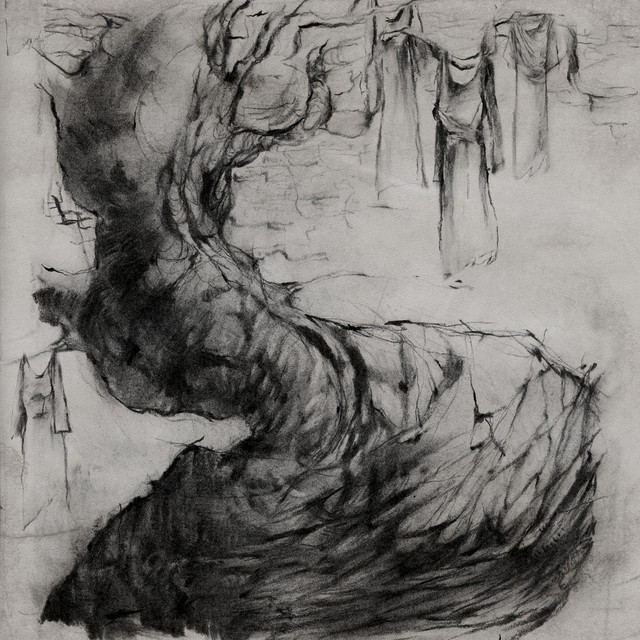
Intro
“Now kill all the boys… save for yourselves the young girls… good boy.”
ISSELLA samples the verse verbatim, letting the horror speak first. By repeating “good boy,” she spotlights the reward structure: obedience to divine orders earns ownership of bodies. The opening frames the entire song as a reckoning with weaponized scripture.
Verse 1
“The context is missing, long, long forgotten… The babe will crawl home and suck on excuses and prayers.”
The singer imagines history itself lost on a milk carton, replaced by flimsy rationalizations. The image of a crawling infant nursing on “excuses and prayers” paints faith as infantile dependency—nurturing yet blinding. Theme: denial masquerading as devotion.
“There’s a lump under the rug in religion’s house.”
The house metaphor exposes collective complicity. Everyone keeps dancing so the carpet never lifts, revealing the corpses of inconvenient victims.
Chorus
“There’s a whore next door / She’s your reward.”
The chorus distills transactional piety: violence earns sexual spoils. Labeling the captive girl a “whore” shows how the conqueror’s gaze rebrands innocence as vice to justify possession.
“I’m biting into an apple and I’m afraid of nothing.”
The apple invokes Eden yet flips the script—the woman claims agency, fearlessly taking knowledge even as death looms. Her defiance refracts themes of autonomy versus dogma.
Verse 2
“Here they come with their bullets made of Jesus.”
Faith becomes ammunition. The oxymoronic image ridicules holy wars and doctrinal crossfire.
“Rather find the excuse of massacre than be wrong.”
Religious pride calcifies; conceding error feels costlier than slaughter. ISSELLA skewers absolutism that prizes doctrinal purity over human life.
Post-Chorus
“God says you’re such a good boy / Take a child for yourself.”
The nursery-tone taunt mimics a parent praising a child for cruelty, exposing psychological grooming inside dogmatic reward systems.
Refrain
“Break, break, break / Take, take, take.”
The monosyllabic chant strips violence to its mechanical core—no theology, just rhythmic destruction. Repetition mirrors indoctrination loops.
Verse 3
“Relax your furrowed brow / For the rape was blessed by the Lord.”
Sarcasm curdles into outrage. The speaker mocks soothing platitudes that anesthetize moral alarm. The “drug of God’s permission” critiques doctrine as opiate, echoing Marx but with darker intimacy.
Bridge
“The women are ghosts… God made their voices and demanded their silence.”
Here, erasure is complete: women reduced to sheets, transparent and pliant. The line pinpoints how theology can engineer silence, gifting power to “the ones in control.”
“Take a child, take one, take two, take another.”
The shopping-list cadence drives home the commodification of bodies. Obedience yields plunder, blurring spiritual and material conquest.
Outro
“’Cause what God gives, God can take… permission to break.”
The refrain returns like a verdict. Any gift from such a deity is double-edged—bestowed only so it can be shattered. The final echo leaves listeners questioning whether divine authority absolves or amplifies cruelty.
Conclusion
“Numbers 31:17-18” is less a song than a courtroom cross-examination of scripture. ISSELLA wields scathing irony, haunted nursery imagery and relentless repetition to expose how holy texts can be twisted to license atrocities. The track challenges listeners to confront the comfort of “context” and decide whether faith should ever excuse the breaking of bodies.




Comments
Loading comments…