

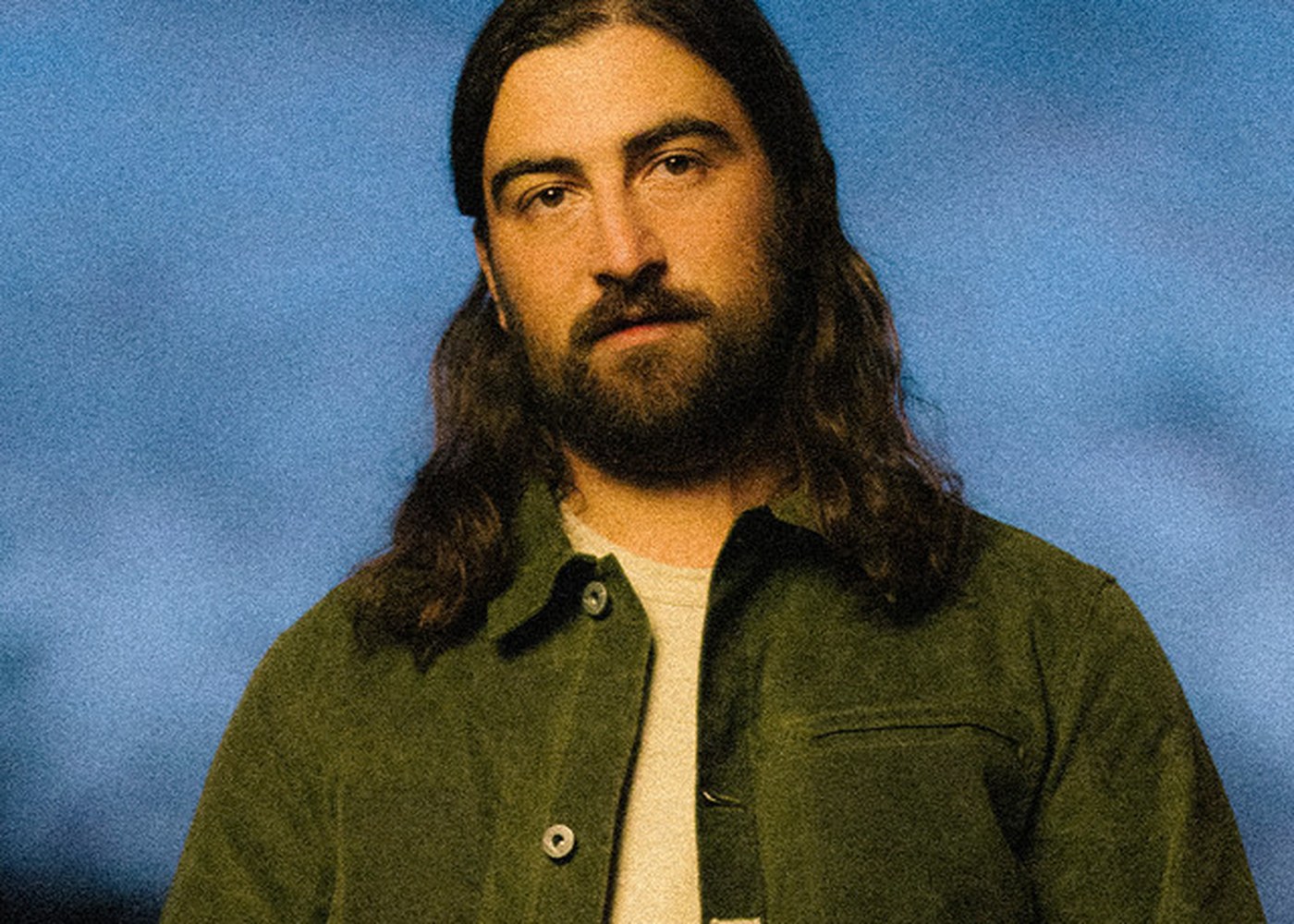
Introduction
The Great Divide sounds like two friends in the same car but different galaxies. Kahan revisits the relationship at highway speed, scanning old scars and spiritual dread in equal measure.

Verse 1
The opening frames a reckless camaraderie built on shared damage.
“We got cigarette burns in the same side of our hands / We ain't friends, we're just morons who broke skin in the same spot”
Matching burn marks double as friendship bracelets—proof of proximity, not intimacy. The speaker admits the bond was forged through self-destruction rather than care, hinting at a broader theme of counterfeit closeness.
“I'm high enough to still care if I die”
Even in a haze, mortality flickers on the edge of the narrator’s mind, underscoring the thin line between thrill and despair.
Pre-Chorus
Reflection replaces bravado.
“You know I think about you all the time / And my deep misunderstanding of your life”
The speaker confesses ignorance—an overdue admission that caring is useless without comprehension. The lyric broadens into a meditation on how unseen pain festers when friends fail to ask the right questions.
Chorus
The hook transforms from blessing to plea.
“I hope you're scared of only ordinary shit… / And not your soul and what He might do with it”
Kahan wishes the other’s anxieties were mundane—ghost stories, crime shows, skin cancer—not existential damnation. The contrast highlights spiritual trauma lurking beneath everyday fears, turning the chorus into a bittersweet benediction.
Verse 2
Geography mirrors emotional distance.
“You inched yourself across the great divide / While we drove aimlessly along the Twin State line”
The friend crosses an unseen chasm of growth or belief while the narrator circles state borders, stuck. Physical travel can’t bridge an ideological split, revealing themes of stagnation versus progression.
“They only shoot the birds who cannot sing”
A harsh metaphor for society’s impatience with hesitation. Silence becomes a liability, echoing the earlier guilt about failing to speak up.
Bridge
Now anger shrinks to a whisper.
“Rage, in small ways / Did you wish that I could know / That you'd fade to some place I wasn't brave enough to go?”
The speaker suspects the friend longed for understanding but anticipated disappointment. It’s a micro-rage: quiet, internal, directed as much inward as outward. Fear of following them across that “place” underscores the song’s core anxiety about change.
Post-Chorus
Wordless vocalizations—“Ah-oh” and “Ahh”—let emotion spill where language fails, mirroring the earlier communication breakdown.
Outro
The final scene shatters the sacred.
“I hope you threw a brick right into that stained glass”
Smashing church windows symbolizes rejecting oppressive doctrine. The repeated wish shifts from domestic tranquility to spiritual liberation, circling back to the fear of “what He might do” and flipping it on its head.
Conclusion
The Great Divide chronicles the gulf between two parallel lives: one crossing into self-defined freedom, the other stalled in remorse. Through blunt imagery and compassionate wishes, Kahan captures the ache of realizing too late that love requires curiosity, not just proximity. The song ends with a prayer for ordinary fears—a modest, humane mercy.




Comments
Loading comments…