


Introduction
“Streets of Minneapolis” plants the listener in a frozen cityscape where federal agents clash with civilians and memory refuses to melt. Springsteen’s narrator becomes a witness, balancing grief for two fallen residents with a vow to defend community and conscience.
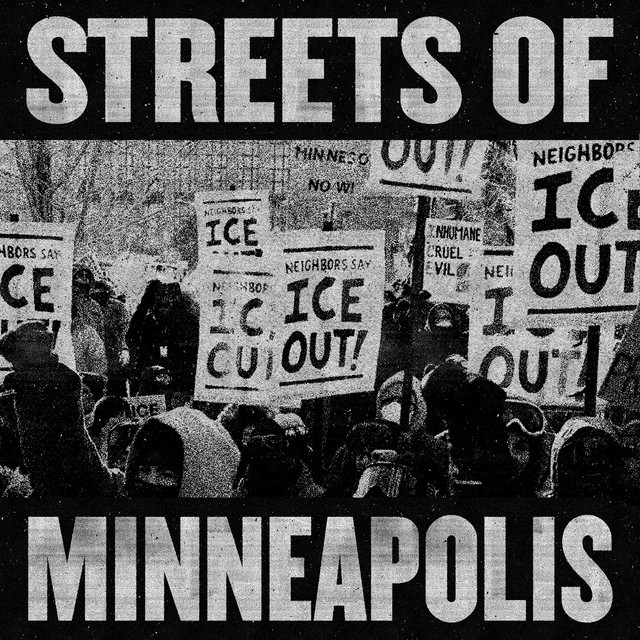
“Through the winter's ice and cold / Down Nicollet Avenue”
The opening couplet frames the entire song: brutal weather mirrors the brutality of state force, while a specific street grounds the story in lived geography. Themes of occupation, civil courage, and memorialization surface immediately.
Verse 1
“King Trump's private army from the DHS / Guns belted to their coats”
Springsteen paints the agents as medieval invaders, casting the Department of Homeland Security as an occupying power rather than protectors. The hyper-visual “guns belted to their coats” juxtaposes military readiness against civilian winter wear, underscoring how violence breaches everyday life.
Verse 2
“Citizens stood for justice / Their voices ringin' through the night”
The scene shifts to collective resistance. Voices echo in the pre-dawn haze, evoking protest chants ricocheting off downtown facades. Springsteen pivots from narration to commemoration, naming Alex Pretti and Renée Good—two individuals who transform the abstract notion of casualties into personal loss.
Chorus
“Oh, our Minneapolis, I hear your voice / Singing through the bloody mist”
The chorus lifts the perspective from street-level detail to city-wide conscience. Minneapolis itself becomes a character, “singing” despite tear-gas haze. The refrain fuses lament with pledge: the living will “take our stand for this land / And the stranger in our midst,” merging local loyalty with inclusive solidarity.
Verse 3
“It's our blood and bones / And these whistles and phones / Against Miller and Noem's dirty lies”
The narrator counts grassroots tools—body presence, protest whistles, cell-phone recordings—as the populace’s only defense. By naming politicians, Springsteen personalizes systemic wrongdoing, turning policy into villainy. The verse sharpens the song’s broader theme: truth versus propaganda in real time.
Verse 4
“If your skin is black or brown, my friend / You can be questioned or deported on sight”
Racialized policing steps into center frame. The lyric acknowledges intersecting fears: immigration raids overlap protests, making “ICE out now” both chant and lifeline. The imagery of “broken glass and bloody tears” suggests shattered storefronts and stinging eyes, but also a community that refuses to blink.
Outro
“ICE out (ICE out)”
The repeated demand functions like a heartbeat slowly fading into the snowy hush. By stripping the words down to a mantra, Springsteen leaves listeners with pure resolve, implying that change begins when a single phrase is repeated often and loudly enough.
Conclusion
“Streets of Minneapolis” fuses reportage with folk testimony. Springsteen chronicles a winter of federal incursion, mourns two neighbors, and insists that remembering names is itself an act of rebellion. The song ends where it began: on cold pavement, but this time with a chorus of voices ready to warm the street.


Comments
Loading comments…