


Introduction
“In the Grass” opens like a memory whispered into the wind. Flóvent grounds us in rural stillness, then turns that landscape into a metaphor for emotional distance. The song keeps circling one question: can closeness survive self-defensive isolation?
Verse 1
“The road was buried in grass / So you took the boat”
The narrator pictures an overgrown path—connection neglected long enough for nature to reclaim it. Instead of clearing the way, the subject opts for water, a route that avoids the problem rather than confronting it. Flight becomes a coping mechanism.
“If all our problems would last / Then we wouldn’t be here”
This line folds resignation into hope. The speaker implies that problems are temporary; otherwise the two wouldn’t keep meeting at this impasse. Persistence itself is an act of faith.
Chorus
“If all you need is something to hold on to / Then let me in to your glass house”
The image of a “glass house” suggests fragility and transparency but also a barrier. The narrator offers their presence as an anchor, promising gentle hands that won’t shatter the walls. Yearning mingles with caution—love that respects boundaries while asking to be trusted.
Verse 2
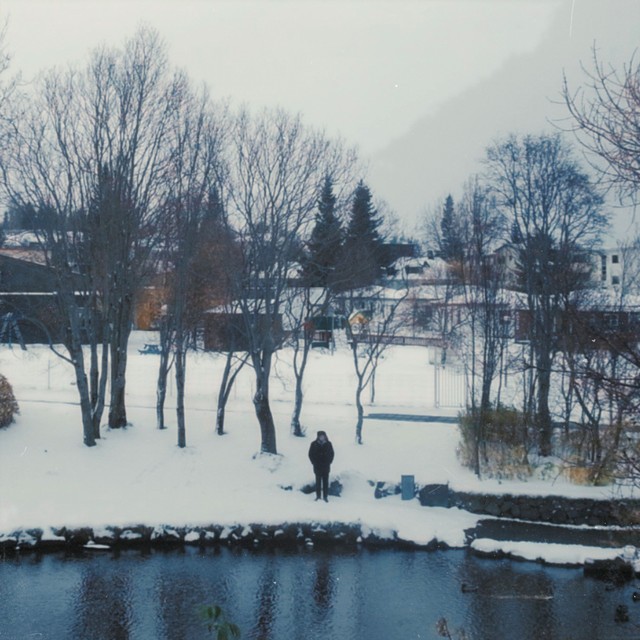
“The town was quiet and cold / Just like you dreamed of”
Silence and chill mirror the listener’s desire for solitude. The narrator recognizes this preference yet subtly questions it: isolation may feel safe, but it risks turning into frostbite.
“I hope your patience won’t wear off / In the new year”
Time looms; the speaker fears that retreat could become permanent once the symbolic reset of a new year arrives. The plea is gentle but urgent—don’t let the countdown erase what’s left of openness.
Bridge
“You were running past / All your best intentions”
Here, motion becomes frantic. Goodwill exists, but anxiety outruns it. The listener’s self-protective sprint tramples the very plans that might heal them.
“You saw the scars / And you opened them up / Just to understand / Where the common ground was”
Self-examination turns surgical. By reopening wounds, the subject hopes to map shared pain, perhaps believing empathy demands blood. The narrator watches, sympathetic yet worried that this re-injury may eclipse growth.
“If it was everything / You ever dreamed of”
The refrain is almost sarcastic—was this self-inflicted bruise really the dream? The bridge underlines a theme of identity: how much suffering feels necessary to feel real, and when does it start to sabotage connection?
Final Chorus
“If all you need is something to hold on to / Then let me in to your glass house”
The last repetition lands softer, like mist on panes. Nothing new is said, yet its power lies in patience. The narrator isn’t kicking the door down; they’re simply waiting outside, hand extended, believing that sooner or later fragile walls can open rather than break.


Comments
Loading comments…