

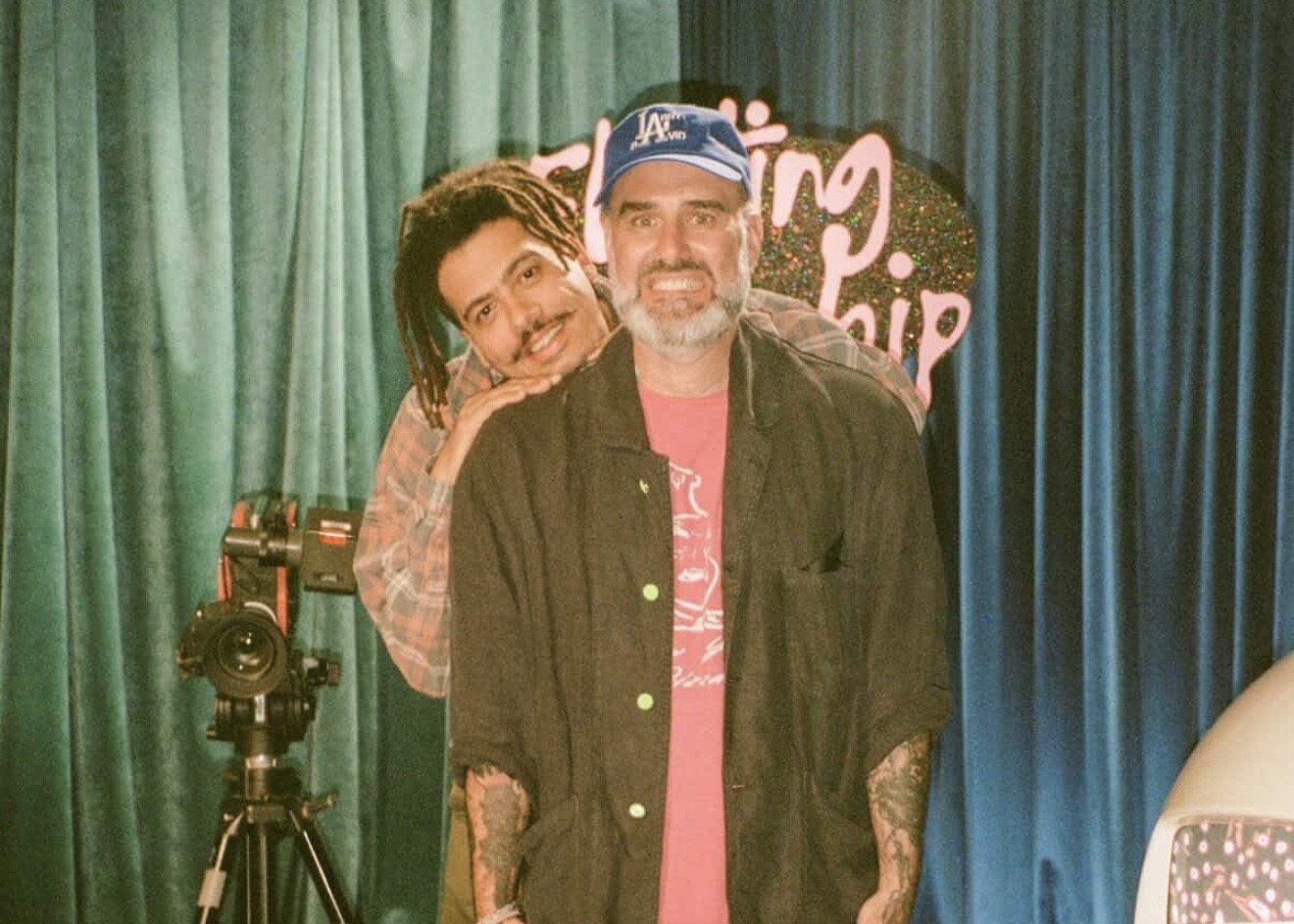
Let Me Dance Away Forever
The Geese set is happening and Seth Troxler is dancing next to a couple of kids he doesn't know.
The dust is doing the gold-hour thing. The band, the young New York group that everyone has been calling a psyop because they've been everywhere for a year and the algorithm is suspicious of any guitar music that actually moves people, is on stage and blowing the roof off a tent that doesn't have a roof. Seth is a self-proclaimed unc. At some point during the show, the three of them look at each other, and something happens that almost never happens at festivals anymore, which is that strangers silently agree they are having the same experience. Brother. Brother. Let me tell you, brother. The kids drift off to whatever's next. Seth turns to Jack, the Gen Z film person who's been rolling with him all weekend, and says the line that I cannot stop thinking about.
"Baby. Let me dance away forever."
I spent the rest of the weekend thinking about how strange it is that the person least concerned with looking cool was, obviously, the coolest person there.
Bill Patrick had texted him about the psyop article at five in the morning. Generational, anti-fascist, suspiciously well-placed. Bill is Seth's oldest collaborator and co-host of their podcast Flirting with Friendship, a DJ-turned-photographer, dryer than the desert we're sitting in, and constitutionally incapable of letting anyone get his goat. He sent the article specifically to wind Seth up before the set, and when Seth had a transcendent experience anyway, Bill received the news the way he receives most news: with the quiet satisfaction of a man who already saw it coming and found it mildly amusing regardless. Seth's response to the psyop allegation, for the record, was to laugh and say: finally, a psyop that benefits me.
Seth is a feral dreamer. Bill is the deadpan realist. A balancing act that has formed the pillars of a multi-decade iconic partnership. Which brings us to the question Seth asked me about ninety seconds into the interview, the question that ended up being the whole interview.
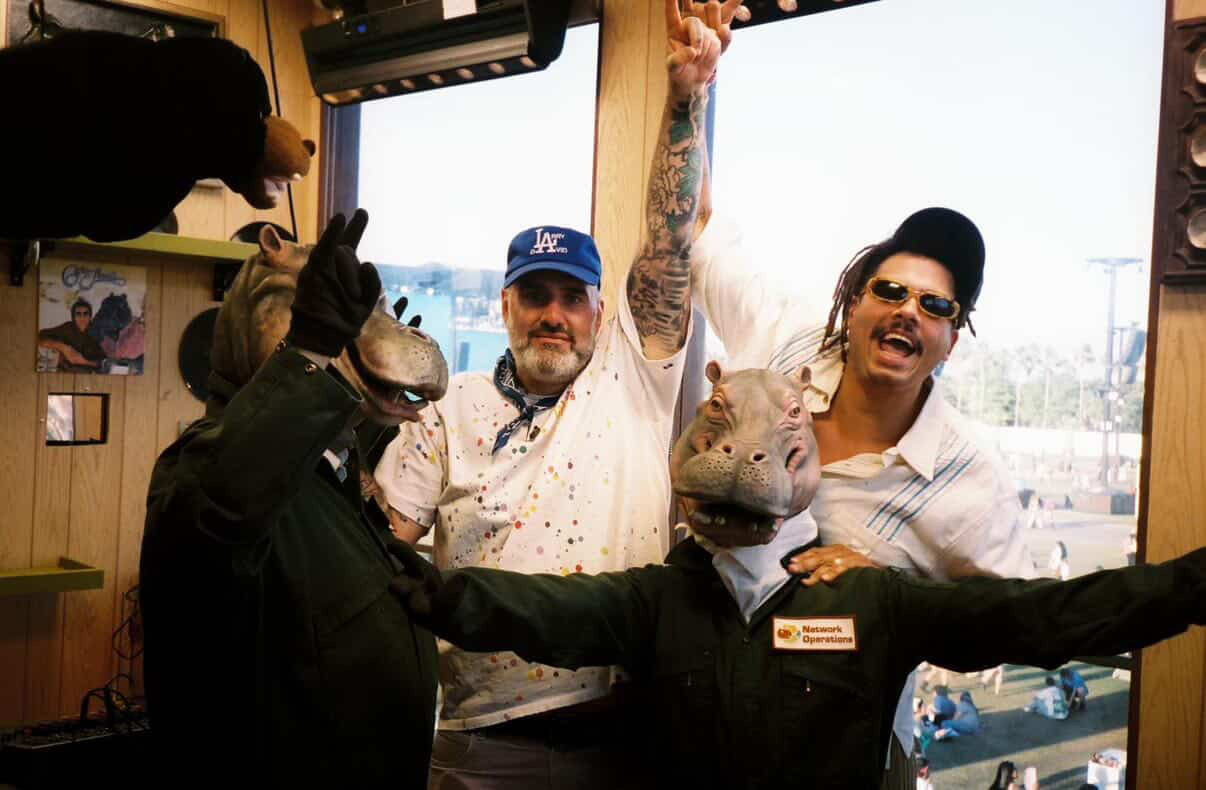
"We were having a good time," he says, "and I was like, why is not everyone having as much fun as us?"
It's a fair question and also a devastating one. Because the answer, if you've been watching the field all weekend, is that having a good time has become genuinely complicated. Not for lack of money or access, everyone here has both, but because somewhere in the last decade, the experience got decoupled from the moment. Phones up, faces arranged, the quiet anxiety of being somewhere worth documenting and somehow not feeling it. The present tense has become a raw material for a future post, and once that happens, you can't really live in it anymore. You're producing it.
Seth and Bill came up in a version of this world that didn't offer that exit ramp. You went to the club, you danced, there was no archive. The moment was the only place the moment existed. That's not nostalgia, it's a different relationship to now, one that turns out to be a competitive advantage at a festival full of people waiting to feel something on schedule. Seth isn't having more fun because he's older. He's having more fun because he never learned to treat the present like a content opportunity, and at this point he's not about to start.
The conditions are never going to be right. The conditions are the dance floor. The conditions are that you decided to dance.
His actual answer, when I push him on it, comes out sideways. Real answers usually do.
Having a good time is a choice. Your life is a choice. Life sucks, it's hard. but once you learn to laugh about it and put that behind you, you take the family that you found and the people that care about you and the real love in this world and you can live in heaven.
He says this without irony, which is the most punk thing anyone said to me all weekend. He says it the way you'd say the stove is on. Joy is a choice. Not a feeling that arrives. A stance you take.
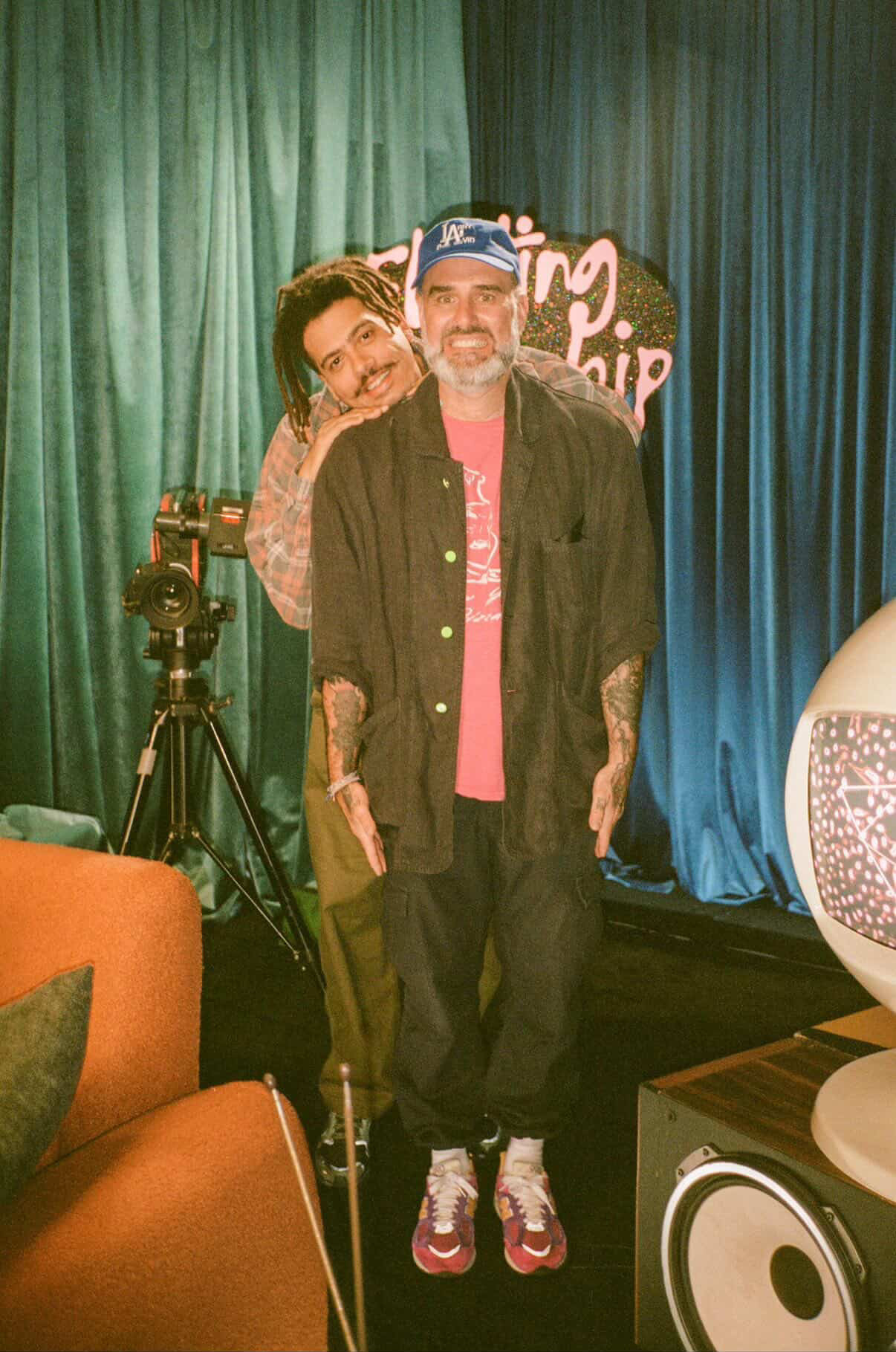
Here is the part of the interview I keep replaying.
Then Seth, without quite shifting registers: "When I was sixteen I was starting to play music around the world. And I always, this is what I want to say, find a dream and stick to it. The hardest thing we can do and commit to in our lives is believing in something."
He's not selling anything. There's no merch table. He's just telling me, an interviewer he met forty minutes ago, what he's figured out.
"I was broke, and I was like, you know what, I'm gonna live out of my means until I have the money to survive. And it worked. It's like, Rocky Horror Picture Show. Don't dream it, be it. Stop talking about it. Be about it."
And then, he shifts back into his "older brother" wisdom, he tells me the part that knocks the air out of me.
"At one point, the saddest I'd ever been, I had all these dreams. I accomplished them all. And then I stopped dreaming. And I was like, what else is there? And then I had kids and I redreamed."
This is the thing nobody tells you about getting what you wanted. The depression that arrives on the other side of the finish line. The young-adult fantasy is that you build the dream, you arrive at the dream, and then you live inside it like a furnished apartment. The reality is that the dream evaporates the second you touch it, and if you don't have another one queued up, you're just a person in a room. Seth got there. Got famous, played the rooms, made the money, looked around. What else is there? The honest report from the other side of every vision board. He had to learn how to want something new, and the something new turned out to be his kids, which is to say it turned out to be the version of himself who had to keep showing up for someone other than himself.
This is also, I think, why he was the loudest person at the Geese set. The redream is not a one-time thing. You don't do it at thirty-five and coast. You do it every time you find yourself standing in the dust and the band is good and the kids next to you are recognizing something. You decide, again, to be moved. You decide, again, to dance.
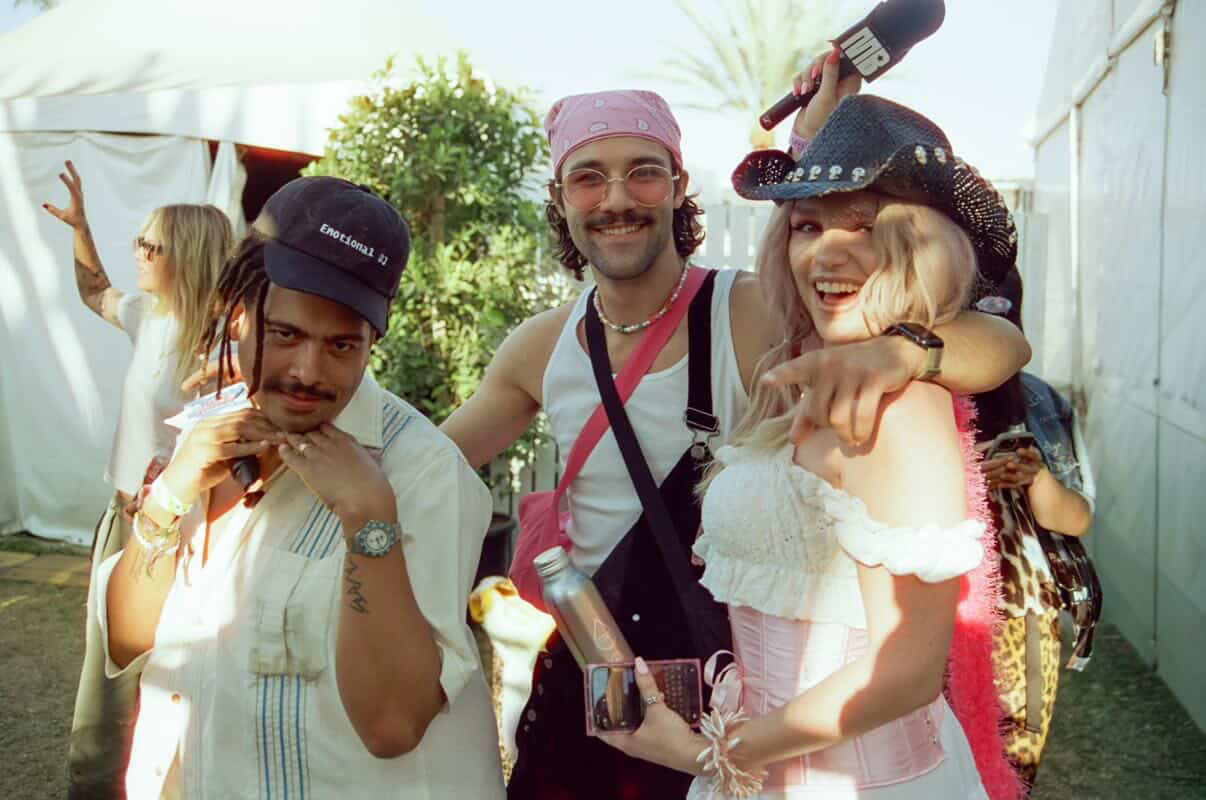
So here's what I think Seth Troxler accidentally taught me at Coachella.
You become yourself by choosing, and then you keep choosing. Joy is a stance. Belief is a stance. Dreaming is a stance, and when the dream completes itself you have to redream, because the version of you that wanted the old dream is not the version of you that's standing here now. The kids at the rail are waiting for permission. Seth is not waiting for permission. Seth is forty-something and dancing to a band his nephews probably listen to, and he has figured out the only thing that actually matters, which is that you do not get to coast. Not at sixteen, not at thirty, not at fifty. You keep choosing or you flatline.
Bill had the last word, actually. The interview ended and he leaned in and said, deadpan:
"Keep dreaming, stay in school, and free Palestine. Mic drop."
Then they walked off into the dust to find whatever was next... which included an elbow-to-elbow packed set at the arguably best venue at Coachella, the DoLab.
Don't dream it, be it.
Brother. Brother. Let me tell you, brother.
Let me dance away forever.



Comments
Loading comments…