Introduction
The song opens with a roll call of names, half toast, half memorial. It feels like late-night graffiti—personal, cryptic, maybe even imaginary.
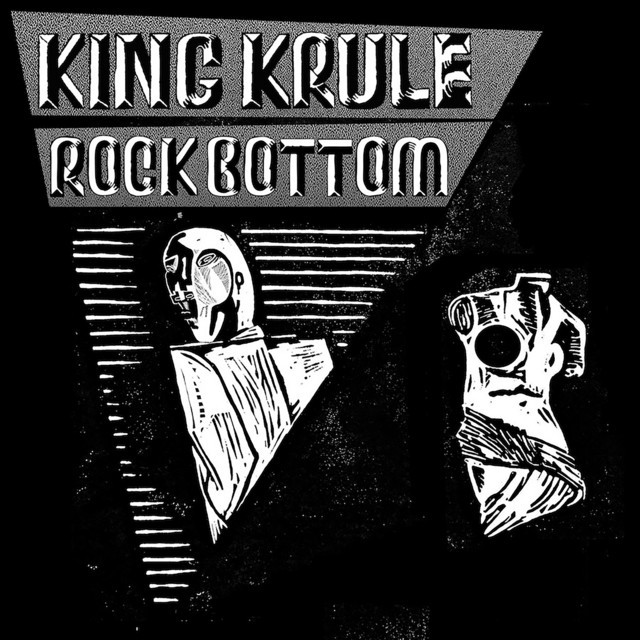
“This is dedicated / To a Mr. Bream… Mr. Mood”
By saluting a scattered crew, the narrator frames the track as both confession and letter home. The dedication also foreshadows the communal nature of collapse: rock bottom is crowded.
Verse 1
The scene drops straight into the pit.
“I've hit rock bottom / Ooh, now I'm running away”
The blunt admission cuts through any romance. Flight instinct kicks in, but the line suggests you can’t outrun your own floor.
“Think what your lover would say / Think in a brotherly way”
A moment of self-coaching surfaces: measure your worth through someone else’s eyes. The plea hints at shame and a craving for external validation—tiny lifelines in the dark.
Verse 2
Cognitive free-fall takes center stage.
“My mind starts to derange / Distortions arrange as sight loses its range”
The internal camera lens warps, turning reality into a fisheye nightmare. Mental health unravels, framing self-blame as the only constant.
“I’m the same / Just something to blame”
The speaker clings to sameness even while spiraling, indicting both themselves and the larger “game” they feel trapped in. Identity erodes; accountability becomes another weapon.
Bridge
The bridge is a brutal autopsy of betrayal and survival.
“The wounds in your back are still sore / And everyone who watched you watched on in awe”
Back-stab imagery meets voyeurism. The crowd’s fascination with disaster underlines a theme of public humiliation.
“They’re the ones who pulled out the knife”
Trust collapses as friends morph into assailants. The verse broadens personal shame into systemic cruelty—how audiences consume breakdowns like entertainment.
“Oh, but you’re lucky this time / And hopefully it’ll make you seem more wise”
A fragile silver lining emerges: survival grants a chance to learn, though the threat of “your own demise” still hovers. The lyric balances fatalism with a sliver of agency.
Outro
The closing lines pivot from ending to uneasy rebirth.
“’Cause it’s the end of something I did not want to end… this is the start of what was”
The paradox captures grief for a past self while acknowledging that collapse resets the timeline. Hard times loom, but at least the slate is honest.
Conclusion
Rock Bottom traces the bruised arc from confession to cautious resolve. King Krule documents shame in forensic detail yet refuses to prettify it. The song leaves us in the rubble, but with eyes adjusted to the dark, ready to spot any crack of light that might seep in.