


Introduction
Heated tug-of-war
Right away the song frames love as a battlefield between instinct and doctrine. The narrator craves closeness but keeps hearing religious static in the background. That tension powers the whole track.
Verse 1
Desire lights up
“You started like a wildfire burnin' in my chest”
The image hits hard: attraction as something unstoppable, already spreading. It scorches the speaker’s “belly full of ashes,” hinting they have been burned before yet rush back toward the flame. When they admit, “I haven’t said I love you to anyone in years,” the line feels like a dare to feel again, rules be damned. The verse ends on a hopeful pivot: if love is supposed to feel good and this feels good, maybe that’s all the permission they need.
Chorus
Holy whiplash
“Why are we talking about Jesus? / Baby, that never helps”
Here’s the gut punch. Just as things heat up, someone changes the subject to salvation. The speaker snaps back, refusing to let guilt hijack the moment. By lumping everyone into “we're all sinners,” they flatten the moral playing field. The climax lands on pure want: “God, just fuckin' kiss me.” That profanity isn’t tossed for shock; it’s a frustrated prayer, begging for touch instead of theology. The chorus is the thesis: stop sermonizing, start kissing.
Verse 2
Beauty as religion
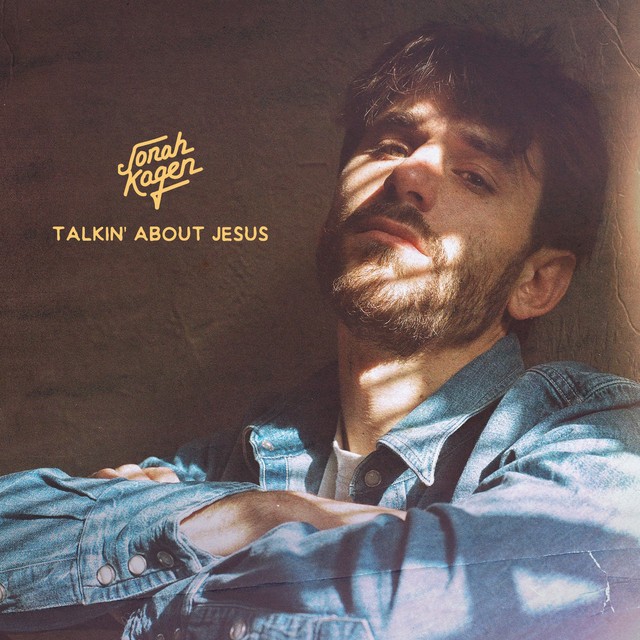
“Yeah, you got mountains in your eyes with a sunset / Yeah, God painted that”
The speaker flips the script, treating the lover’s body as the real cathedral. They offer to “burn the books and pray to stars,” trading inherited dogma for a brand-new faith founded on skin and starlight. The quick Cars reference—“lay with you chasing cars”—adds a pop-culture nod to reckless devotion. Every promise here (“I’ll do anything”) exposes how far they’ll bend their beliefs for a shot at intimacy.
Chorus (Reprise)
Final plea
“I got all this love in me and no one to tell”
The repeat hits harder after Verse 2’s near-religious adoration. All that love still bottlenecks behind fear and doctrine. The closing “I don’t want no one else” nails the exclusivity of the craving. It is not just physical; it is singular, almost sacred, proving the speaker has already picked their deity.
Conclusion
Faith vs. flesh
Kagen’s narrator walks the tightrope between upbringing and urge, finally leaning into the instinct that feels most alive. The song argues that if love feels like grace, maybe that is holy enough. Drop the sermons, light the match, and meet in the middle of the fire.


Comments
Loading comments…