


Introduction
The track opens with a brisk count-off, then plunges into a nightmarish fairy tale. Instead of glass slippers and rose petals, we get racial slurs, a septuagenarian suitor and the lingering scent of burnt coffee. The narrator watches this twisted proposal unfold and recoils, turning the song into a caustic meditation on coercion and self-preservation.
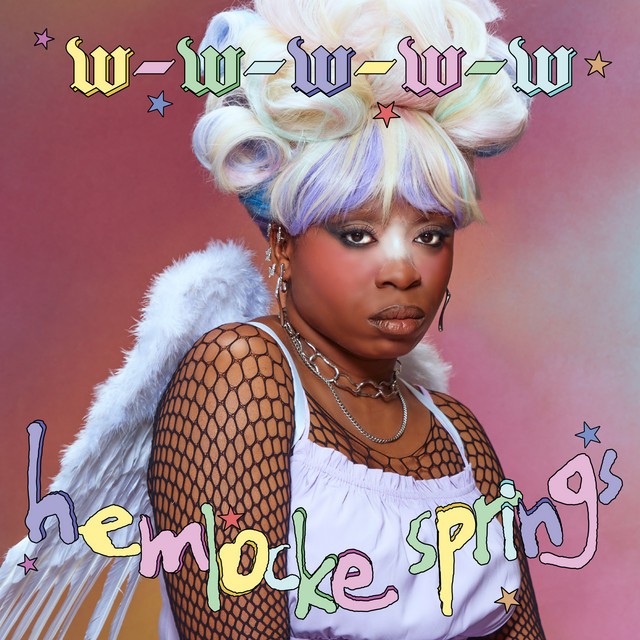
Verse 1
“She was a very lonely girl / You wrote some racial epithets”
The first image frames the target as vulnerable, instantly exploited by someone who wields both romance and bigotry like weapons. The slur hints at systemic rot: oppression runs parallel to seduction.
“You said, ‘I want you as my wife / Your family is in pain and strife’”
The suitor positions himself as a savior, yet the line drips with transactional intent. Marriage becomes a payoff to relieve “pain and strife,” spotlighting the broader theme of commodified affection.
Pre-Chorus
“Can’t even fathom / Waking up the man on Sunday morning… / when he’s already got one foot in the grave”
The narrator imagines the domestic routine—breakfast, coffee—only to reject it in horror. The age gap (“one foot in the grave”) exposes the power imbalance, bolstering the song’s critique of patriarchal arrangements.
“I would rather kill myself than look him in the eyes and say”
Self-harm becomes a last-ditch refusal, underscoring how suffocating the expected compliance feels. Desire is not just absent; it’s violently repelled.
Chorus
“I want your love… I, I, I want you”
The chorus flips between earnest phrasing and glitchy repetition. It reads like a hostage note the narrator refuses to sign, mocking the cliché of romantic confession. The stuttered “I” mirrors anxiety, highlighting the dissonance between what’s said and what’s felt.
Verse 2
“She closed windows to open doors / But they led to the gates of hell”
Any attempt at escape (“open doors”) simply reroutes to new forms of entrapment. The imagery of hell sharpens the theme of doomed agency.
“Already bought a child to enslave? / Ha, he’s seventy-three, yeah, his soul is astray”
The revelation of purchasing a child escalates the critique from personal to systemic abuse—forced labor, exploitation, generational corruption. The laugh (“Ha”) oozes nihilism, suggesting the narrator’s shock has curdled into sardonic disbelief.
Second Pre-Chorus
“So I would rather kill myself than look him in the eyes and say”
The refrain returns, more venomous. Repetition cements the narrator’s refusal while illustrating the cyclical nature of coercion.
Final Chorus
“I want your love… I, I, I want you”
By the last chorus, the words sound hollow, almost parodic. What began as a romantic plea is now a specter—proof that declarations of love can be weaponized to silence resistance.
Conclusion
“w-w-w-w-w” operates like a warning siren: stuttering, shrill and impossible to ignore. hemlocke springs unpacks how racism, age gaps and power can masquerade as affection, leaving the vulnerable trapped in gilded cages. The song’s genius lies in making the familiar phrase “I want your love” feel downright terrifying, reminding listeners that sometimes the bravest answer to a proposal is a resounding no.




Comments
Loading comments…