


Introduction
Uneasy self-audit
The whole track feels like 3 a.m. when the party’s over and you’re left with your own thoughts. Brent isn’t bragging or sweet-talking; he’s interrogating. That “vanilla sky” title hints at something pretty yet blank, like a canvas waiting for meaning. The song keeps asking the same question because the answer keeps slipping.
Chorus
Defining the undefinable
“Does it shine bright and feel nice? / Is it short-term or for life?”
Right away Brent frames happiness like a product demo. Is it glossy and instantly gratifying, or built to last? The rapid-fire check-list—shine, feel, duration, cost—exposes how we treat joy like a buy-in plan. Each line forces you to pick a side, but none of the binaries feel sufficient. Notice the sneaky money language in “gain” versus “cost.” He’s shading the American hustle where fulfillment and profit get tangled.
Across the chorus the emotional movement is circular. He ends where he starts, proving no single definition sticks. The larger theme here is consumer versus creator—are we driving the feeling or getting driven by it?
Post-Chorus
Possible outcomes
“Is it you in love? / Or you all alone? Or you dead and gone?”
Here’s where it gets morbid. He widens the lens from shiny goals to the ultimate finish line. Love, solitude, death—three wildly different snapshots—are tossed in the same breath, daring you to say which one counts as success. Then he shrugs:
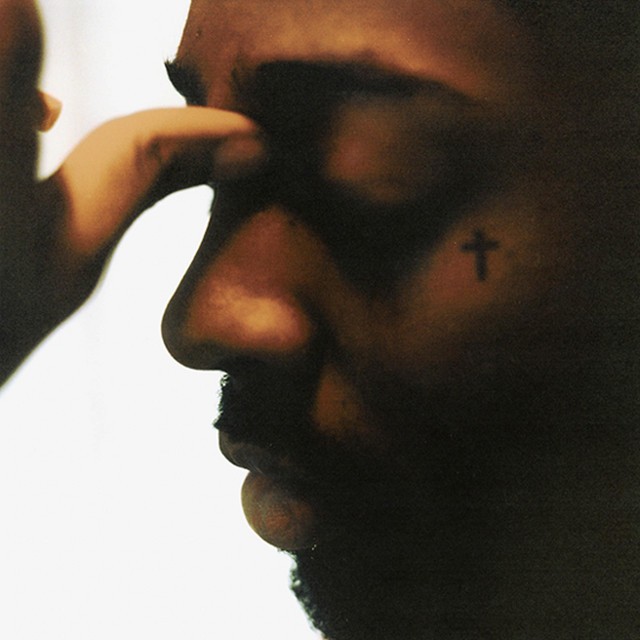
“What ain’t for you ain’t for you / Whatever finds you will sure do”
That’s fatalistic but strangely freeing. Brent suggests purpose hunts us down, not the other way. The tension eases into acceptance: your “fortune will guide you.” This section flips the earlier agency question. Maybe happiness isn’t a hustle but a surrender.
Verse
Seeking safe space
“Is this a safe space for me? / To lead with honesty?”
After all those universal what-ifs, Brent zooms in on a personal need: psychological safety. He repeats the line like he’s knocking on a locked door. The vulnerability here is a gut punch because it undercuts the cool detachment of earlier sections. Happiness might boil down to one simple thing: being able to show “this part of me that nobody sees.”
The movement shifts from external metrics—shine, cost, game—to internal permission. Identity and self-protection crash into each other. Without that safe space, none of the flashy definitions matter.
Conclusion
Question remains open
By looping back to the chorus, Brent refuses closure. The track ends still asking, still echoing. Happiness remains a moving target—sometimes a trophy, sometimes a trap, sometimes just the courage to be seen. The song’s real answer: keep asking.




Comments
Loading comments…