

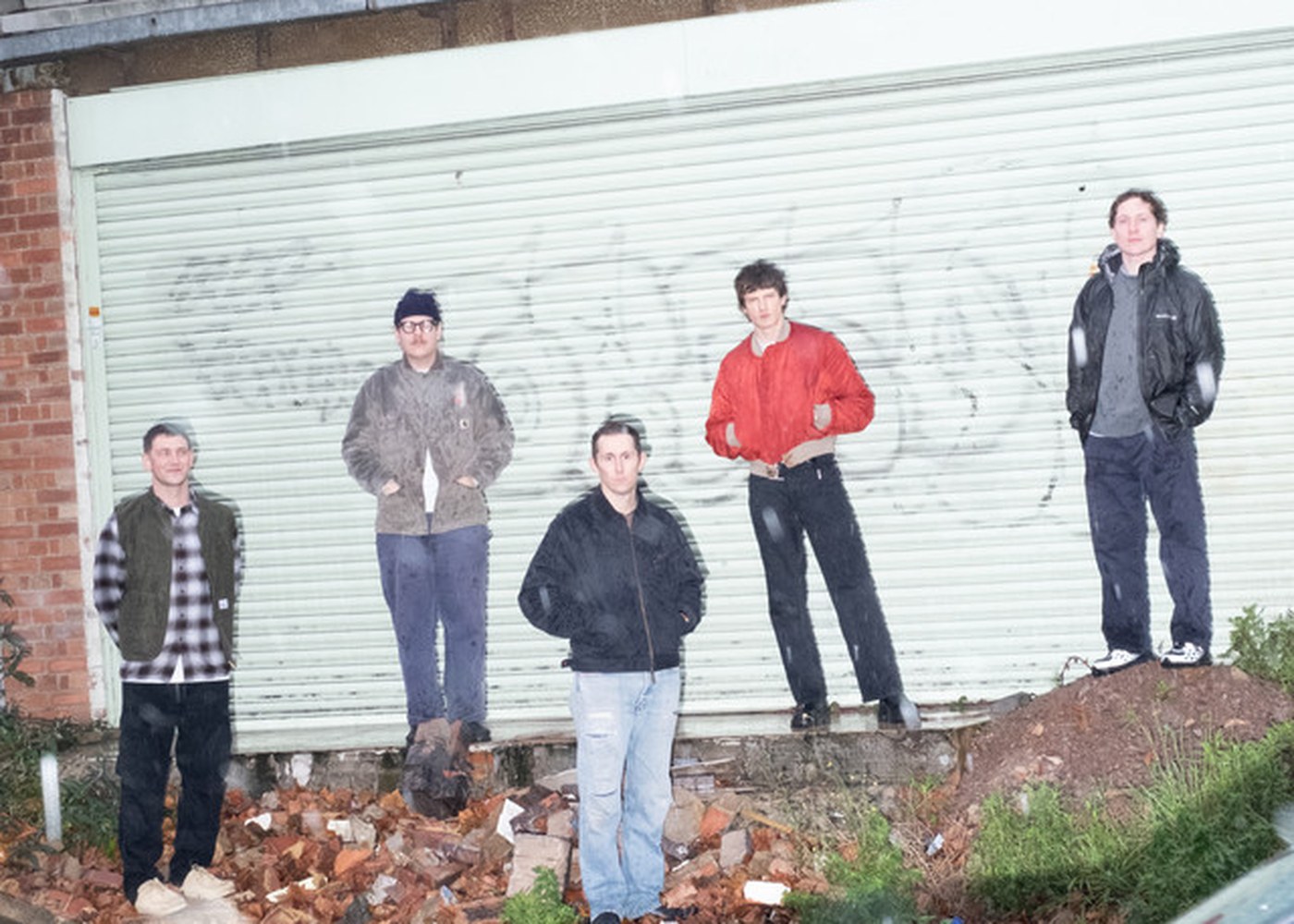
Introduction
Visibility as a wound
There's a particular kind of hurt that comes not from cruelty but from indifference. Someone was present but not really paying attention. You were there, you were real, and somehow it still didn't register. That's the emotional ground "The Way I Feel" builds on.
The whole song is one person quietly asking whether any of it was mutual. And the longer that question goes unanswered, the more it starts to sound like they already know.
Verse 1
Asking permission to hurt
The opening sets up a relationship where honesty itself feels like a risk. The narrator isn't just processing pain privately. They're waiting for clearance to even name it.
"Do I have permission to tell the truth?"
That line is the quiet gut-punch of the whole verse. Not "I need to tell you something" but "am I allowed to?" It says everything about the power dynamic here. Someone has been holding back, living in the background of their own feelings, unsure whether their experience even counts.
"Living in the shade of mystery" puts a name to that position. Not in the dark exactly, but not in the light either. Close enough to feel something, too far away to know what it means.
Chorus
Empathy as the only demand
The chorus doesn't ask for an apology or an explanation. It asks for something harder to fake.
"I want you to feel the way I feel"
That's it. Not "I want you to love me" or "I want answers." Just: feel this. The ask is emotional parity, and the fact that it needs to be asked at all already tells you it's been missing.
The bracketed lines underneath pull in opposite directions. "Take it all away" and "to a better place" suggest the narrator wants out of this pain, but also wants it to have meant something before they leave. Both things are true at once, and that tension is what makes the chorus land so hard.
Bridge
Conditional love, finally named
If the chorus is a plea, the bridge is a reckoning. The phrasing shifts just enough to change everything.
"Did you feel it too / when it suited you?"
"When it suited you" drops the last bit of generosity the narrator had been extending. Up until now the questions were open. Here they close. The implication is that whatever the other person felt, it was selective. Real when convenient, absent when it wasn't.
The repetition of the whole block doubles down without escalating volume. It doesn't need to get louder. The realization is already there, sitting in the room.
Conclusion
The song starts with someone unsure whether they're even allowed to be honest and ends with them quietly realizing the other person was never fully present to begin with. That's the whole arc. Not a blowup, not a resolution. Just clarity arriving too late to change anything.
What Basement captures so precisely is that this kind of hurt doesn't need a villain. Sometimes someone just loved you on their own schedule, and you were the only one keeping score.


Comments
Loading comments…