

Introduction
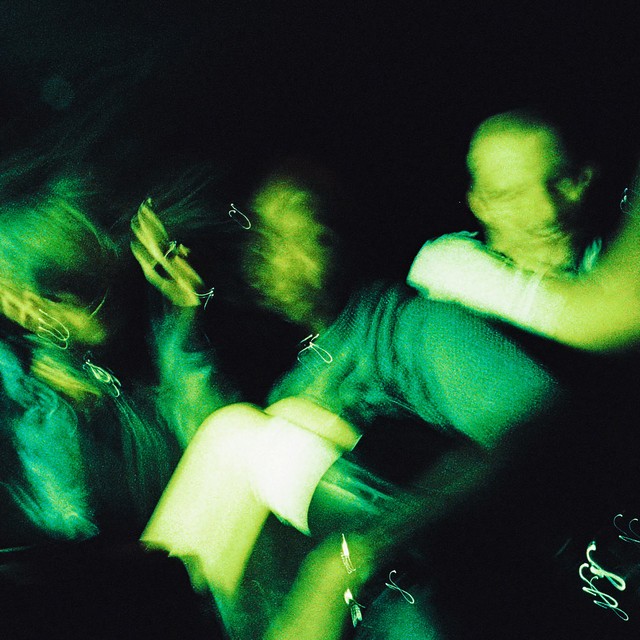
Arlo Parks opens the door to a sticky, fluorescent night where everything—feelings, friends, fumes—fuses into one charged atmosphere. The narrator navigates an in-between space, half prayer, half party, searching for language big enough to hold the rush.
Verse 1
The song begins with a confession of linguistic failure and visceral imagery.
“I wish I had the language / To tell you the way this feels”
Words fall short when emotion runs riot. The admission sets an intimate tone: vulnerability comes first, articulation second.
“You're embedded in me like mascara”
Mascara smudges yet lingers, a stain of closeness that survives sweat and tears. The line suggests affection that won’t wash away, even when the night does.
“My arm under the bridge, watching Kelly spin plates”
The narrator drifts under an overpass, observing a friend’s precarious act. It’s a snapshot of youthful improvisation—balancing joy and chaos, hoping everything keeps spinning.
Chorus
The hook widens the frame to a communal tableau, as bodies and asphalt trade energy.
“Bodies in the summer breeze / Concrete, wash it with metallic green”
The breeze cools but the city still burns. Streetlights or spilled beer tint the pavement jade, turning an ordinary block into a makeshift Eden.
“Adidas and gasoline / My friends, spilling out into the streets”
Sneaker brands collide with fumes, fusing consumer cool and raw exhaust. The crew surges outward, claiming public space as playground, chasing belonging through motion.
“Let’s get involved” doubles as both invitation and mantra—an insistence on living loudly before the moment evaporates.
Post-Chorus
“Until the dawn breaks”
The refrain freezes time. Dawn is the natural deadline, the point when possibility hardens into memory. Repeating the line is a quiet plea: stretch the night, stave off consequence.
Verse 2
Mid-track, Parks pivots toward introspection, weighing motion against stillness.
“Are you letting go? / Do you just want time to freeze?”
The narrator recognizes the paradox: craving both release and preservation. Joy feels richest at the threshold where it might vanish.
“When I catch a glimpse of heaven, I / Know I can’t take it with me”
Heaven flashes, then recedes. Accepting its impermanence becomes its own form of closure—a mature nod amid youthful hedonism.
Post-Chorus (Reprise)
The final repetition of “Until the dawn breaks” lands softer, almost resigned. The party may spill into sunrise, but awareness of ending now shadows every laugh. By naming the limit, Parks honors the night’s fragile magic.


Comments
Loading comments…